Newton Homes for Sale & Neighborhood Guide
"The Garden City," a collection of thirteen villages.
88,504 people live in Newton, where the median age is 42 and the average individual income is $95,106. Data provided by the U.S. Census Bureau.
Total Population
Median Age
Population Density
Average individual Income
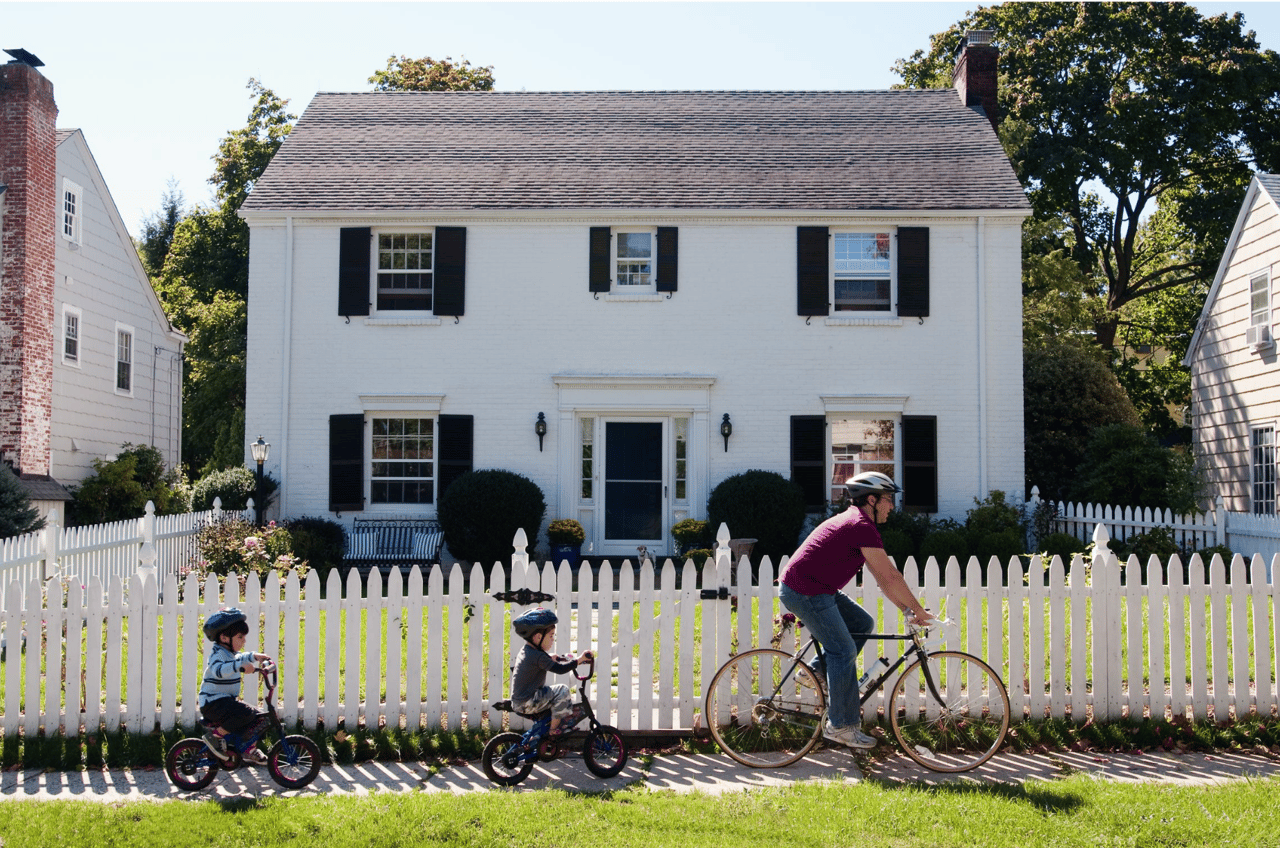
Newton, Massachusetts is not a single neighborhood — it is an experience made up of thirteen distinct villages, each with its own personality, architecture, and rhythm of daily life. Situated roughly four miles west of Boston, Newton occupies a rare position in the American suburban landscape: sophisticated without being sterile, leafy without being remote, and intellectually alive in a way that few residential communities anywhere in the country can claim.
The city draws a remarkably consistent resident profile — high-earning professionals, academics, physicians, attorneys, and engineers who demand proximity to Boston's economic core without sacrificing the quality of life that comes with tree-lined streets, top-rated schools, and a genuine sense of community. Median household income in Newton now exceeds $190,000, and the city's commitment to open green space, historic preservation, and educational excellence has remained essentially unchanged for generations.
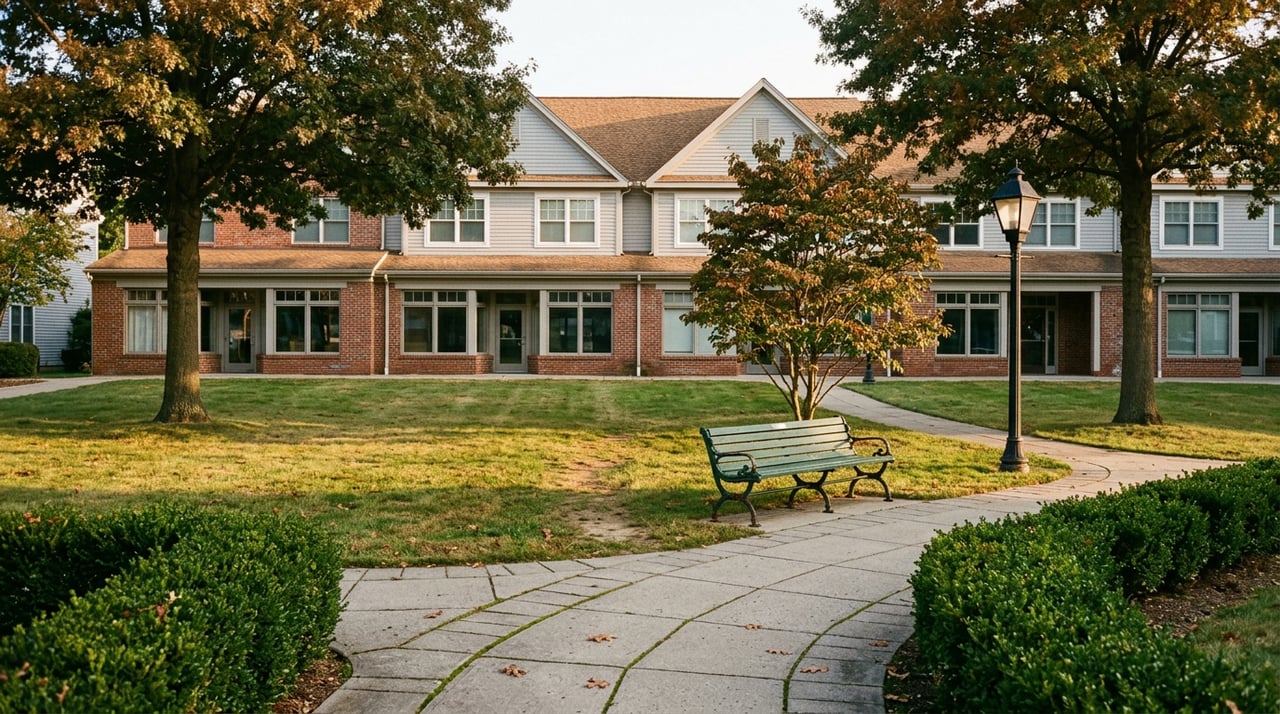
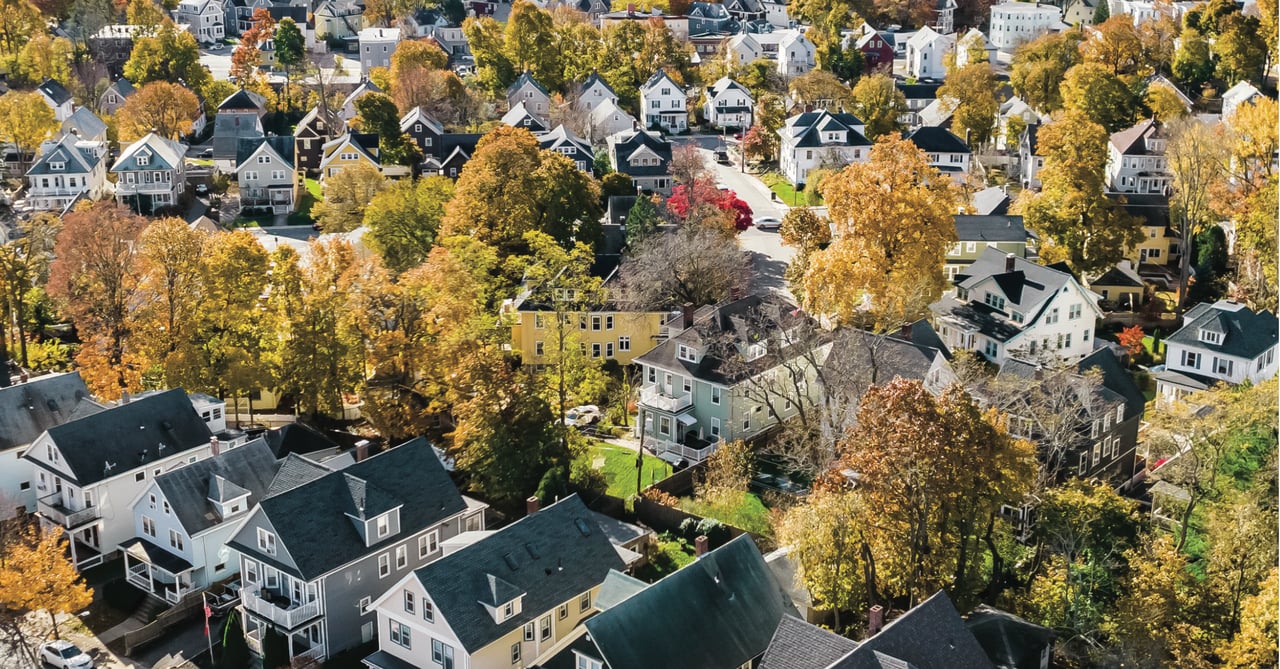
What makes Newton particularly compelling to outsiders is how little it feels like a suburb. The villages function as micro-cities, each anchored by transit stops, local restaurants, independent shops, and walkable parks. You do not simply live in Newton — you live in Newton Centre, or Waban, or Newtonville — and that specificity matters deeply to the people who call it home. The vibe is intellectual, quietly ambitious, and deeply community-oriented. This is a place where the local library is architecturally significant, where residents debate school redistricting with the same intensity they bring to national politics, and where a good coffee shop is considered essential infrastructure.
Newton's origin story begins not as a suburb, but as a contested frontier. Originally carved out of Cambridge — then known as "The Newe Towne" — Newton was incorporated as a separate township in 1688. For its first century and a half, it was an agricultural settlement organized around the Charles River, with mills, farms, and modest colonial homesteads defining the landscape.
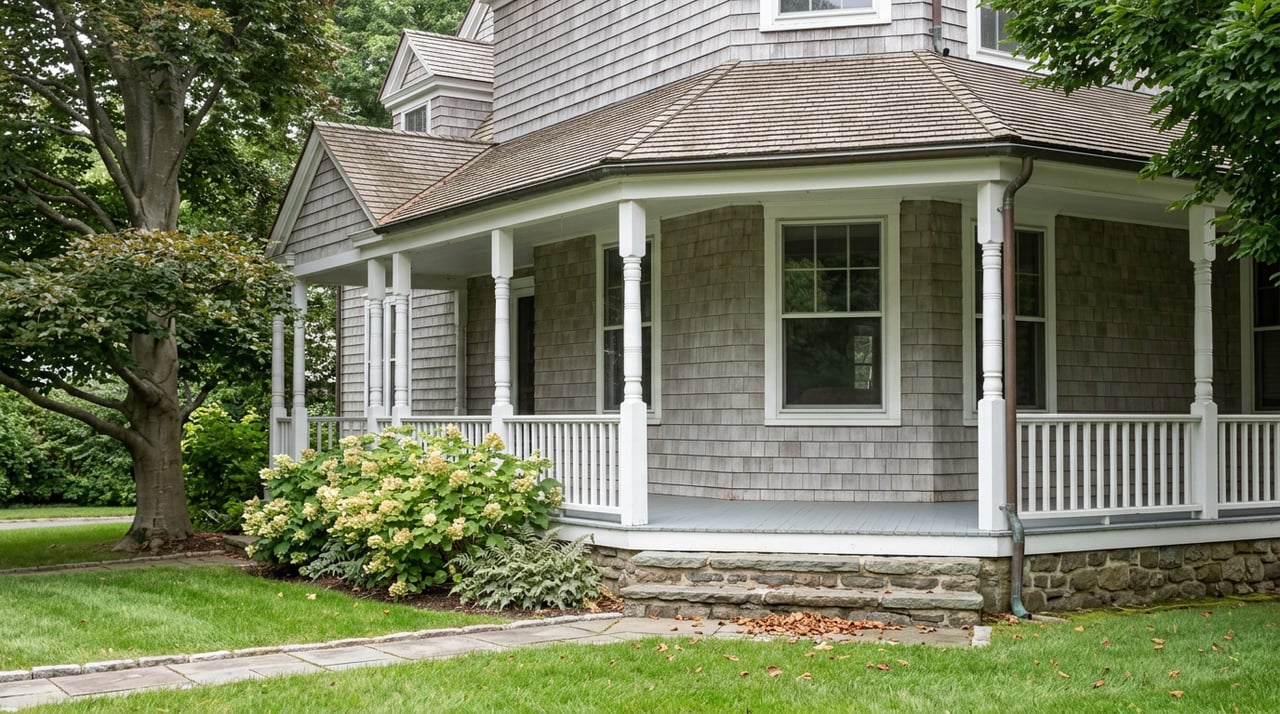
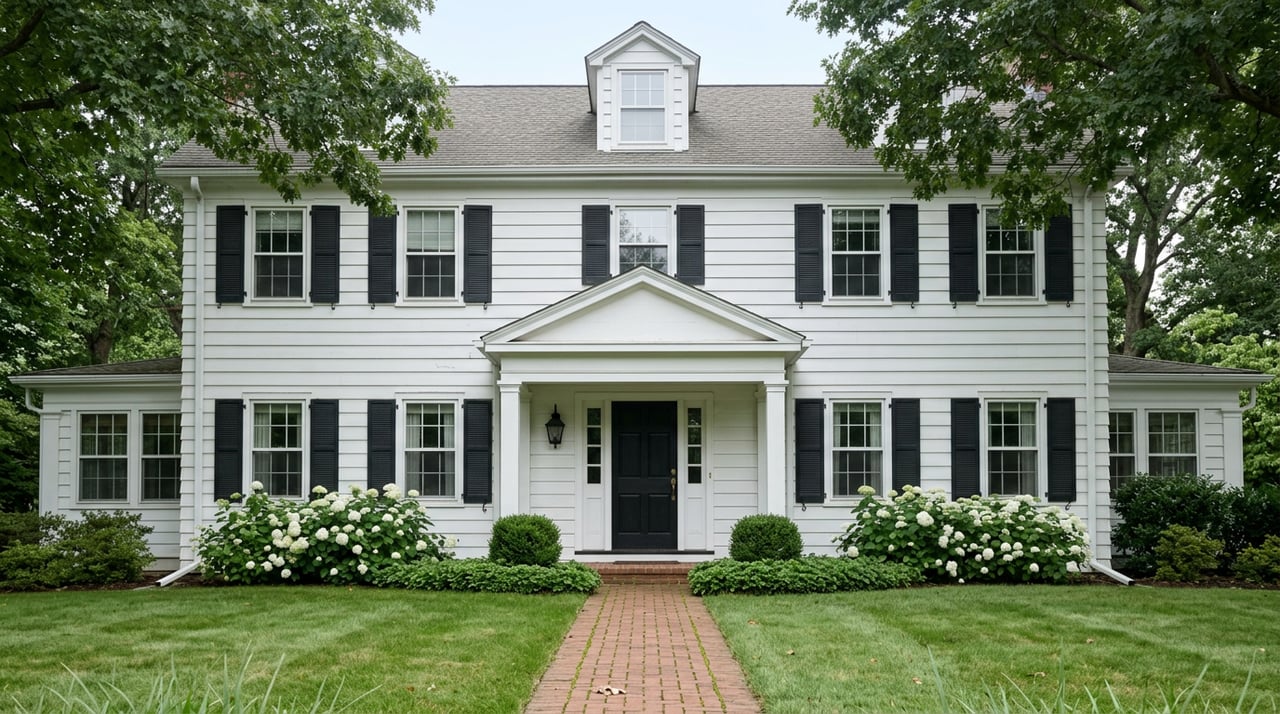
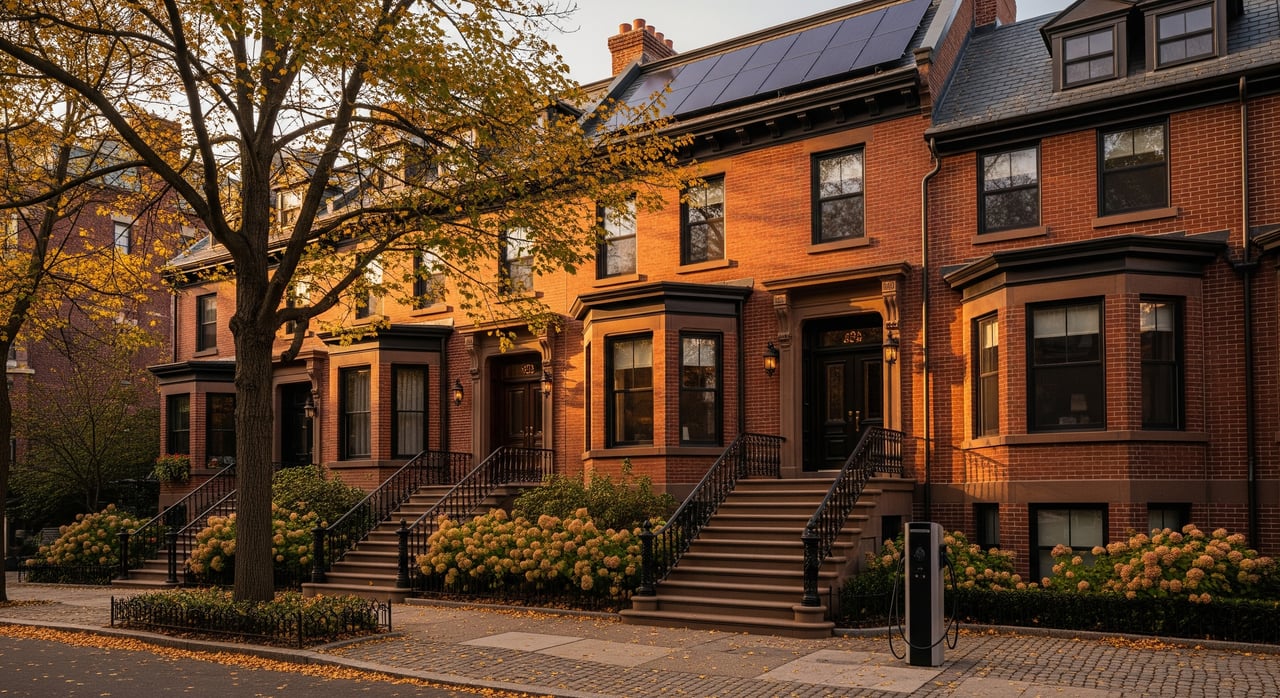
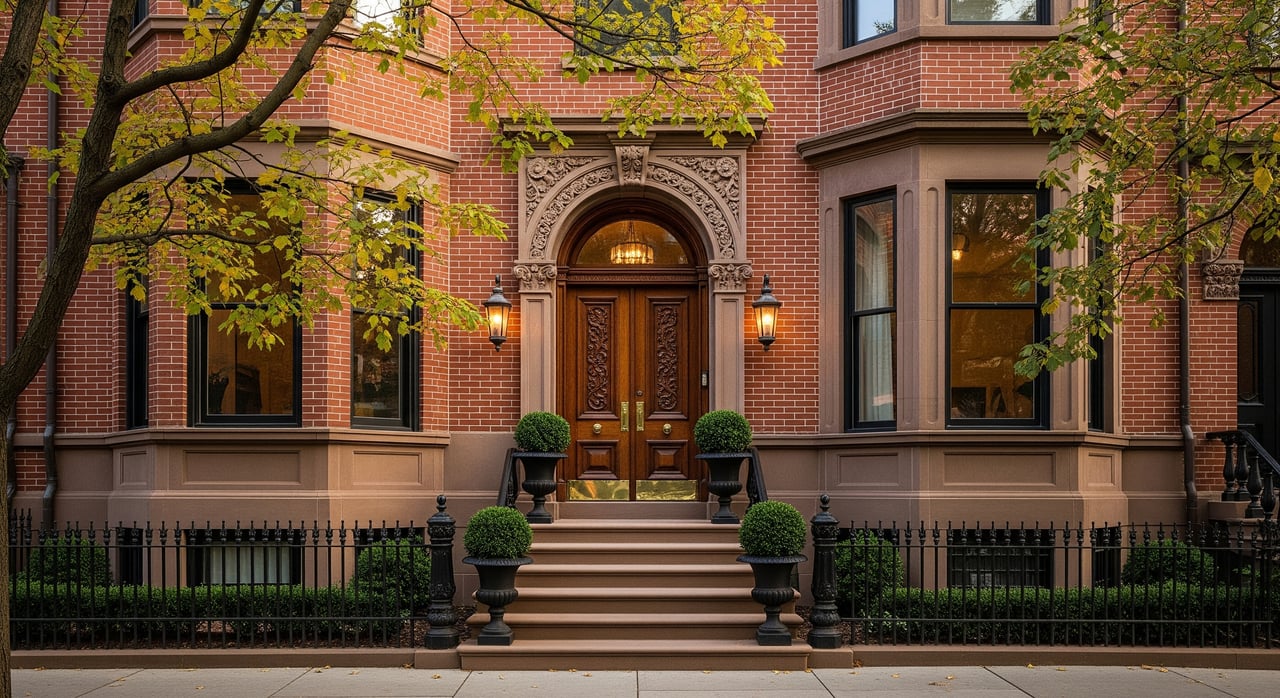
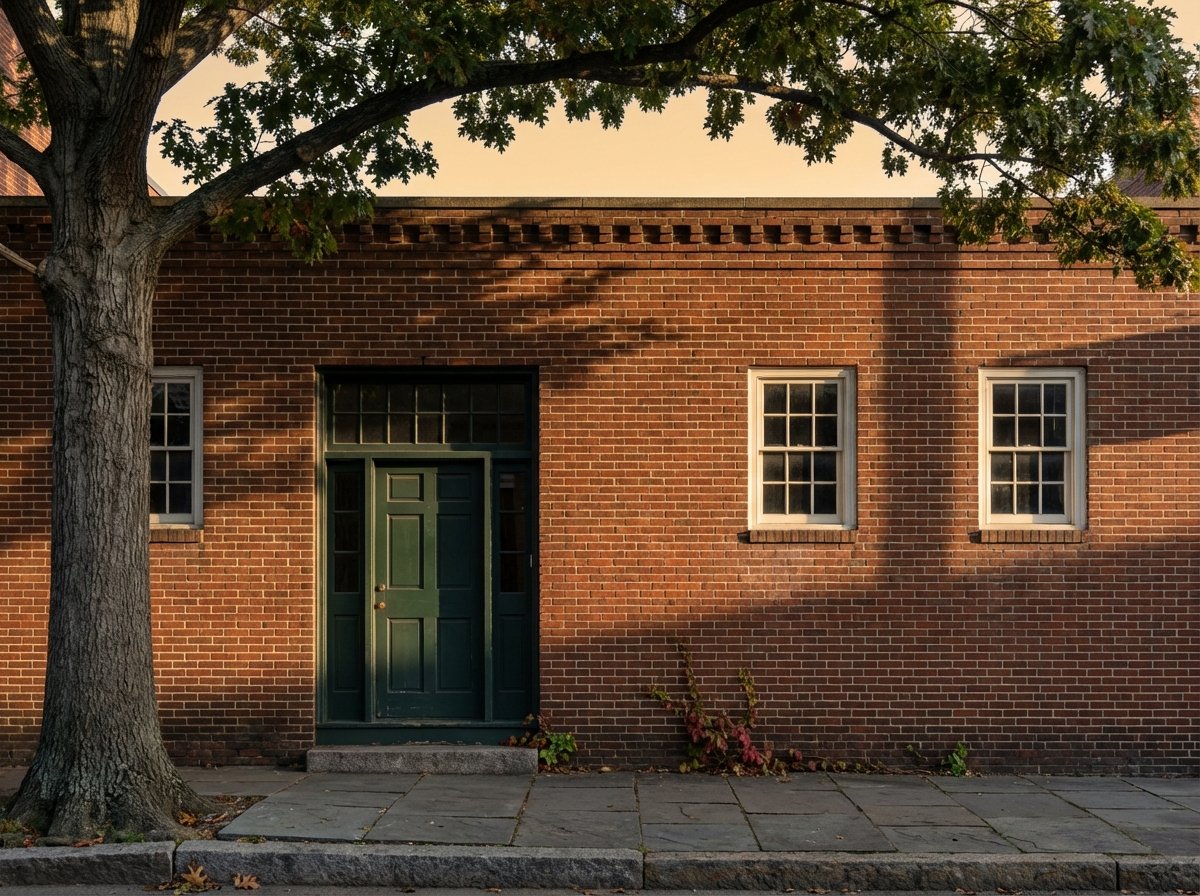
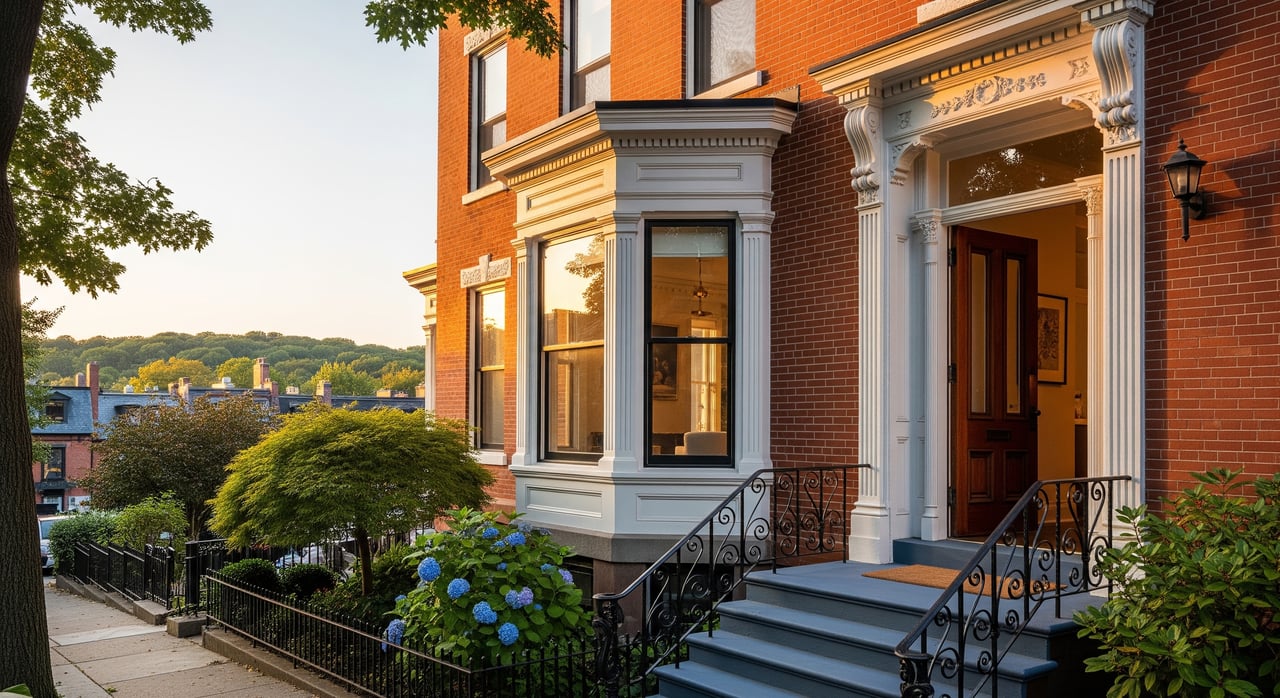
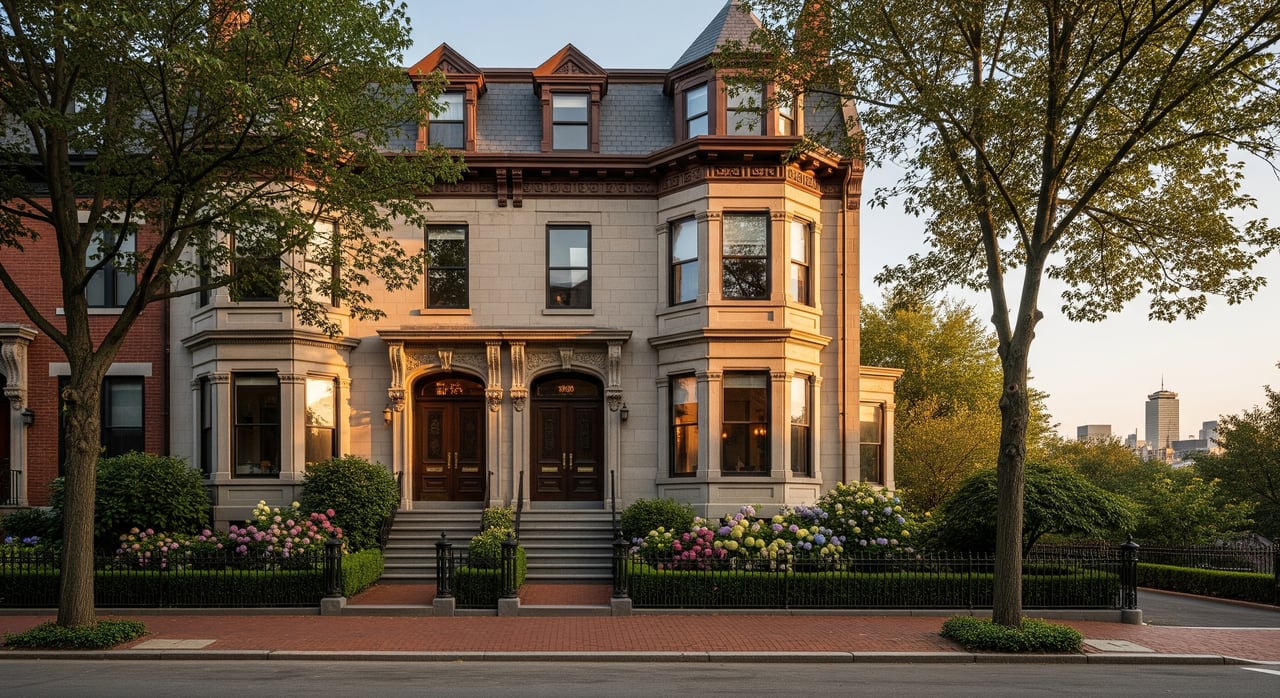
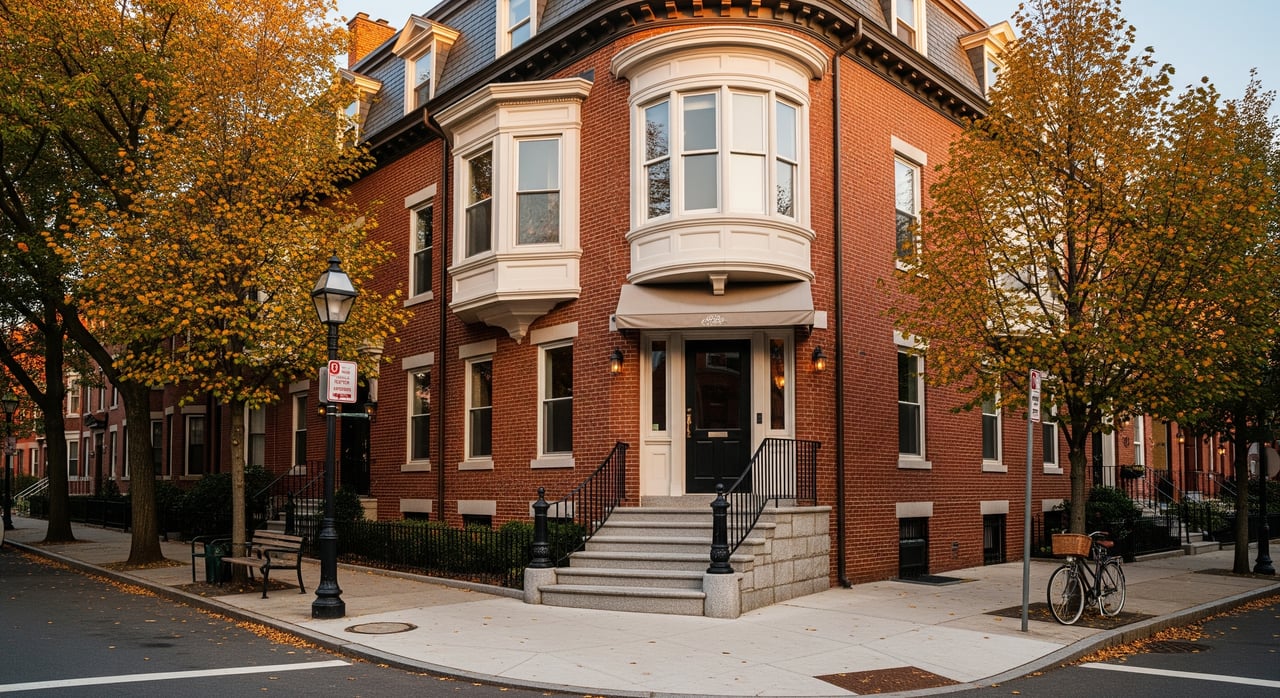
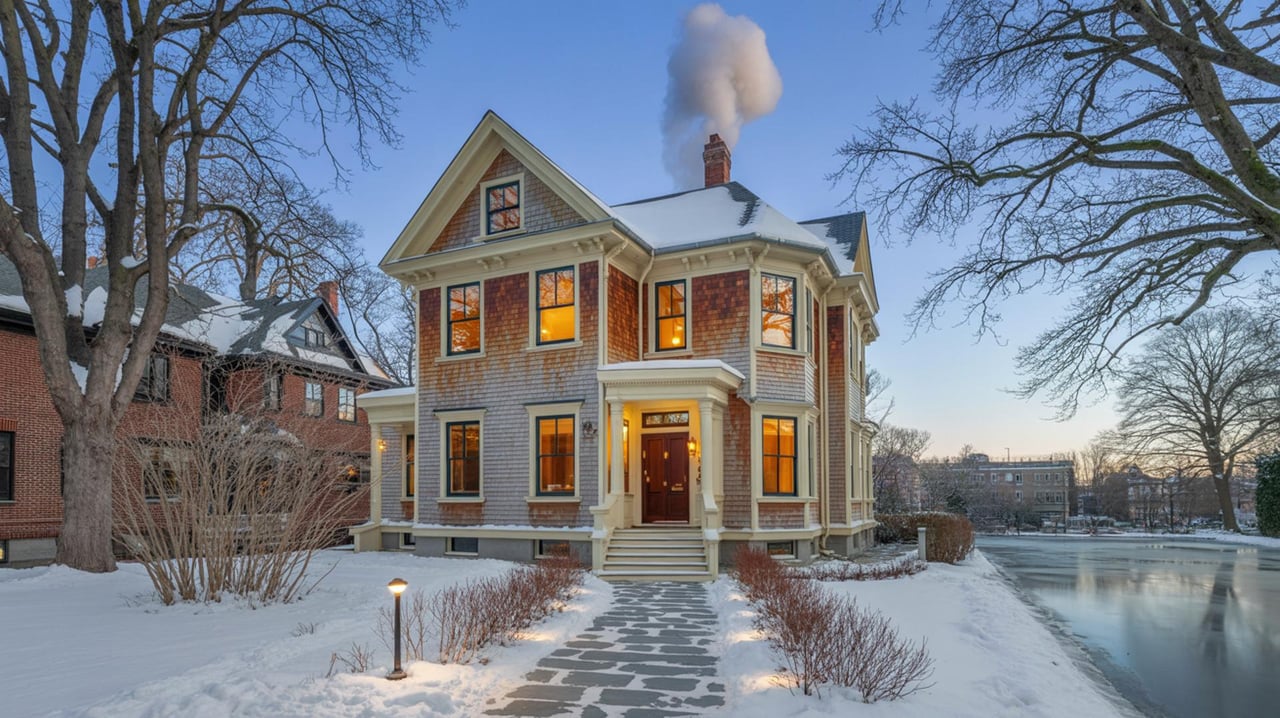
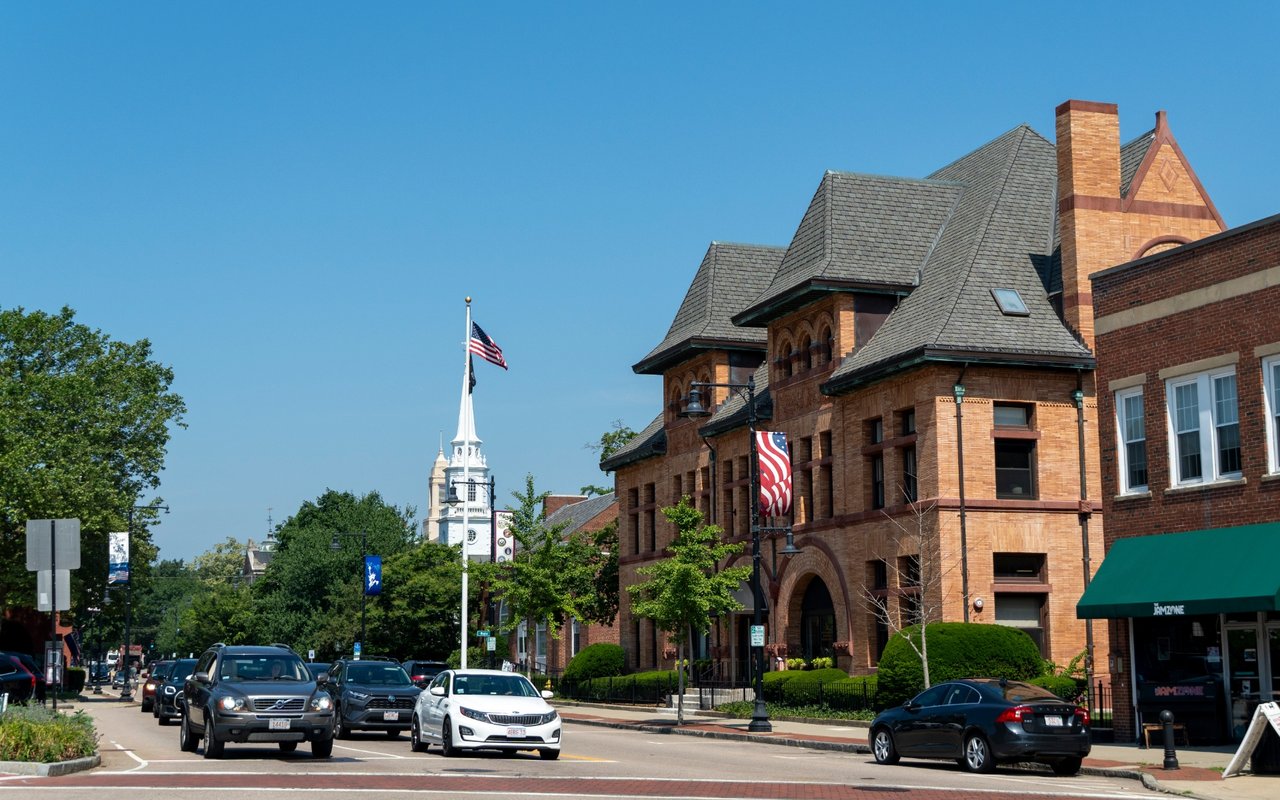
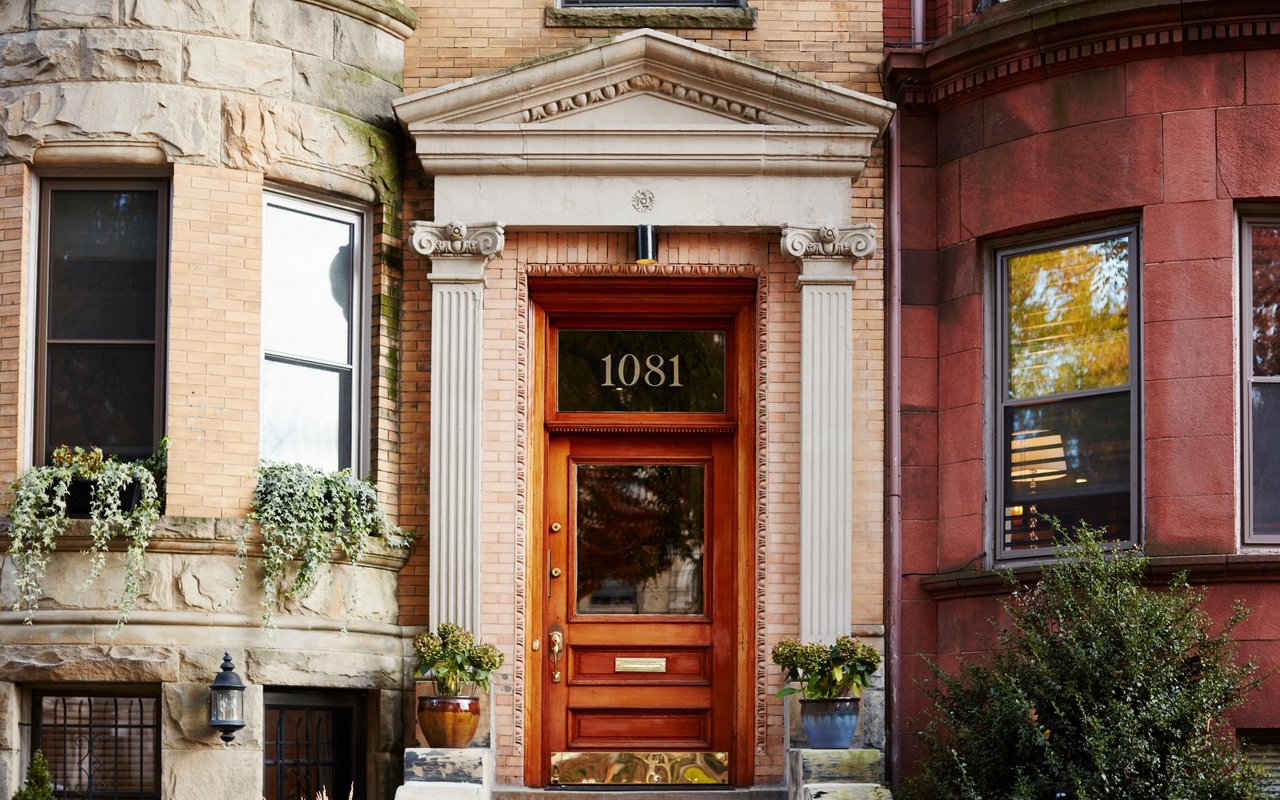
The city's modern identity was forged in the 19th century by two forces: industrialization and the railroad. The Upper and Lower Falls areas became early manufacturing centers, drawing workers and capital into what had been a purely agrarian community. Then, in 1834, the Boston and Worcester Railroad arrived, and Newton was transformed almost overnight. Wealthy Boston merchants and professionals discovered they could live in the countryside and commute to the city — a radical concept at the time — and Newton became one of America's first true commuter suburbs. The architectural legacy of that Gilded Age prosperity is still visible everywhere: grand Victorians and Queen Anne homes dominate villages like Newton Corner and Newton Centre, while the Richardsonian Romanesque style — heavy stone, arched entryways, the sense of permanence — appears in the city's most iconic public buildings, including several libraries and former railroad stations designed by H.H. Richardson's firm.
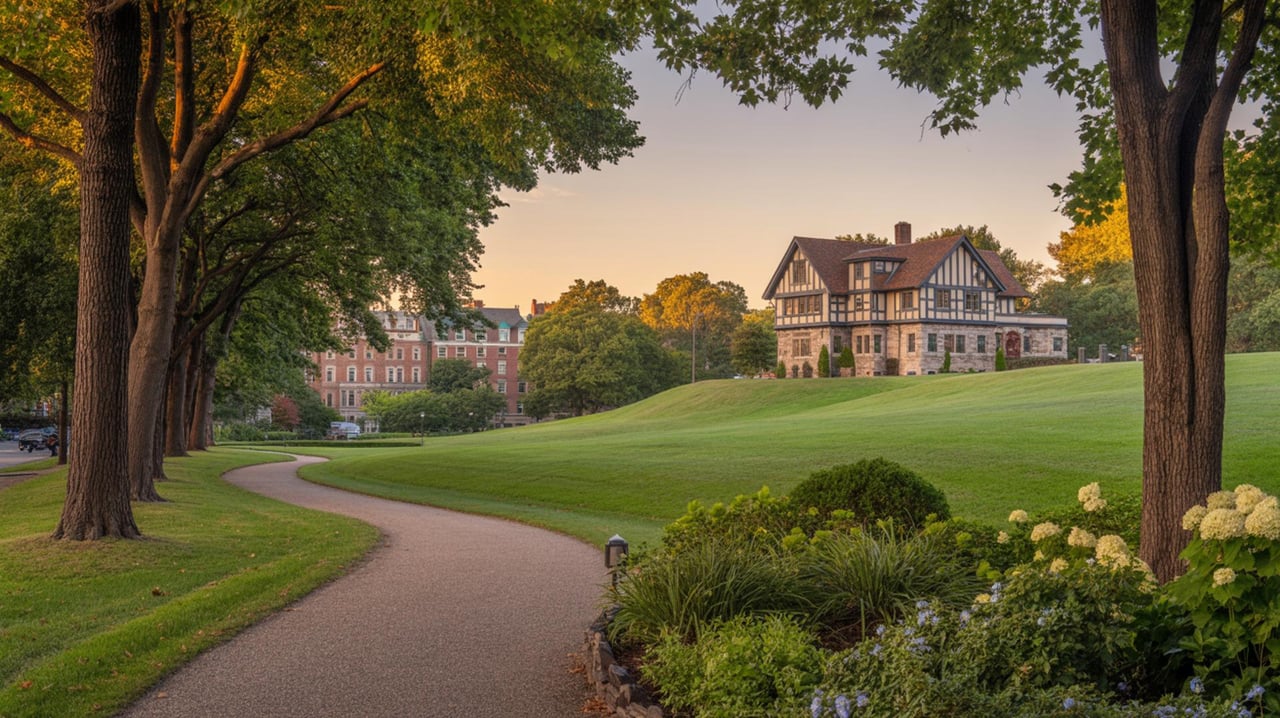
By the early 20th century, Newton had fully embraced its identity as the "Garden City," a planned residential landscape that resisted the dense urban grid spreading outward from Boston. Parks were prioritized, zoning was protective, and the green canopy that now defines the city's aesthetic began to take root in a very literal sense. That foundational character — civic pride, architectural quality, open space — has proven remarkably durable.
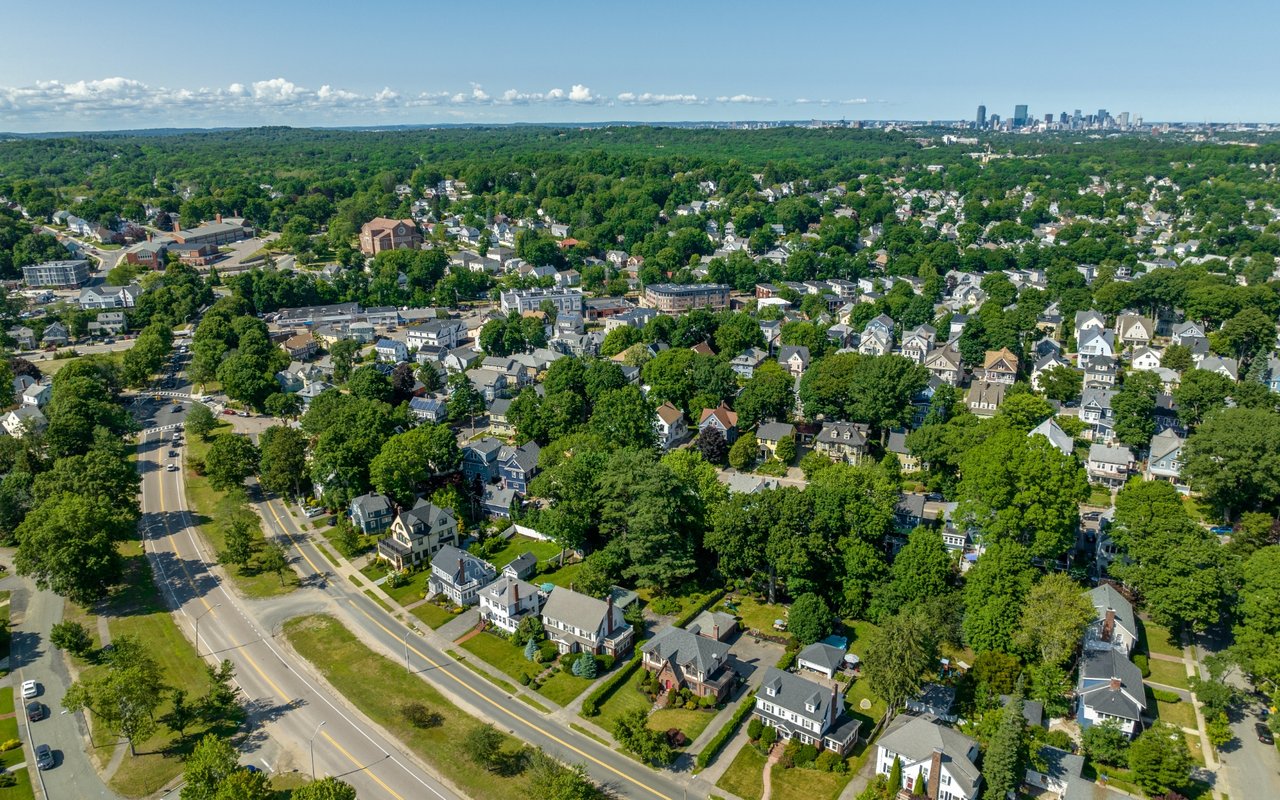
Newton is bounded by Brookline and Brighton (Boston) to the east, Weston and Waltham to the west, Watertown to the north, and Needham and West Roxbury to the south. It sits at a geographic crossroads of Greater Boston, encircled by two of the region's most important transit arteries: I-95 (Route 128) to the west and the Mass Pike (I-90) cutting through its center.
The Charles River wraps around Newton on three sides — north, south, and west — creating a natural peninsula and giving the city a surprisingly intimate relationship with water for what is, on paper, a landlocked suburb. The terrain is genuinely hilly; Newton's topography is not the gently rolling kind but the steep, demanding kind. "Heartbreak Hill," the famous ascent on Commonwealth Avenue that breaks Boston Marathon runners in the final miles of the race, runs directly through Newton. Neighborhoods like Waban and Chestnut Hill are perched on elevations that offer sweeping views and a microclimate slightly cooler than the flat Boston lowlands.
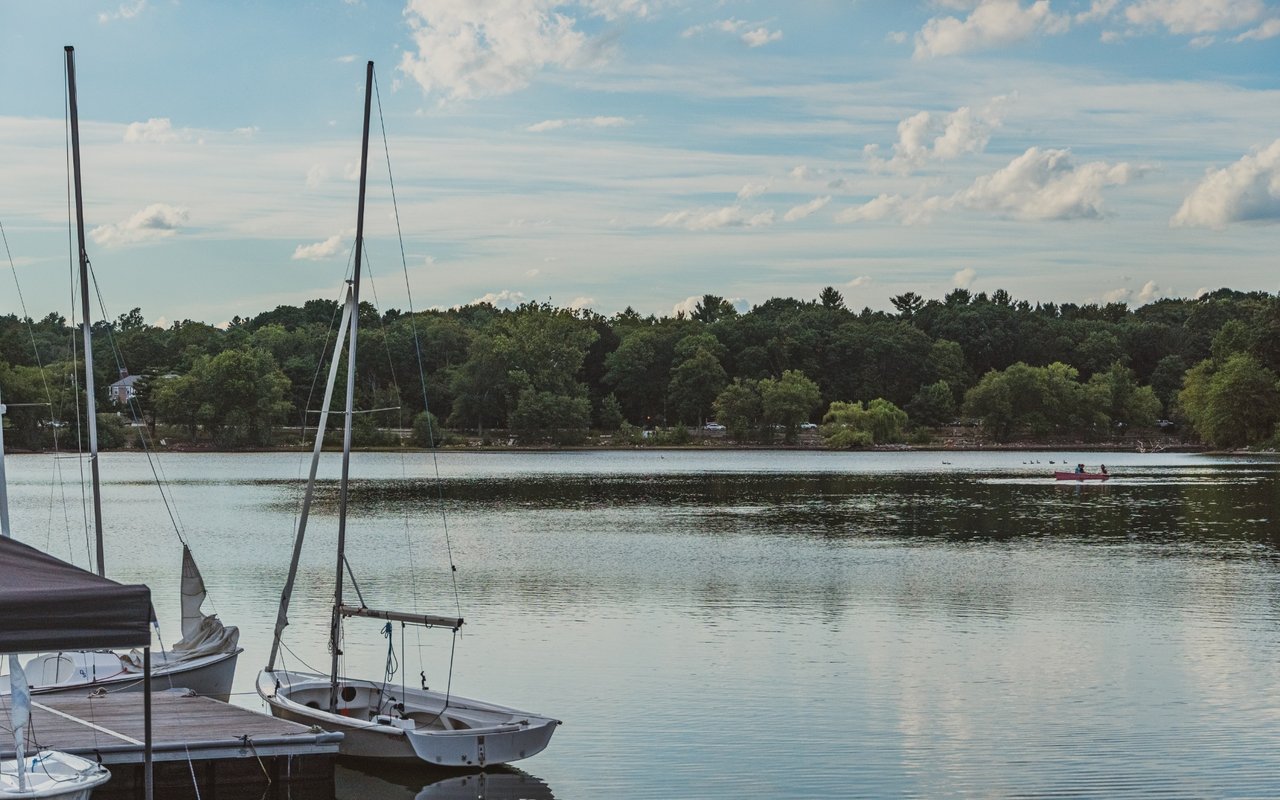
Crystal Lake, a 33-acre kettle pond in Newton Centre, and the Chestnut Hill Reservoir add further texture to a geography that feels more New England countryside than Greater Boston suburb. Newton experiences a classic humid continental climate — cold, often heavily snowed winters (its inland position catches more accumulation than the coast), and warm, humid summers softened considerably by the city's dense urban forest canopy.
The Newton housing market operates in a category of its own within Greater Boston. As of early 2026, it remains a firmly established seller's market, and there is little on the horizon to suggest that will change in the near term.
The citywide median sale price for single-family homes sits at approximately $1,500,000, with median list prices regularly exceeding $1,600,000. In the city's most desirable villages — Waban and Newton Centre chief among them — median values frequently climb above $2,000,000. Inventory remains the defining constraint: supply hovers around one month, a figure that keeps buyers in a near-constant state of competitive urgency.
Homes in Newton's "sweet spot" price range of $1.2M to $1.8M routinely go under contract within a single weekend of open houses. The citywide median days on market runs between 33 and 35 days, but that figure is somewhat misleading for the most desirable properties, which move significantly faster. Year-over-year appreciation is running at approximately 4%, with the luxury segment above $2M outpacing that figure as high-net-worth buyers prioritize modern, energy-efficient renovations and turnkey condition.
Roughly 31–34% of homes sell above asking price. Buyers entering this market should come prepared with jumbo loan pre-approvals or cash offers, and should expect bidding competition on any move-in-ready property.
Newton's housing stock is a layered architectural record of more than three centuries of American residential history, and understanding what is available — and what each type represents — is essential before beginning a serious search.
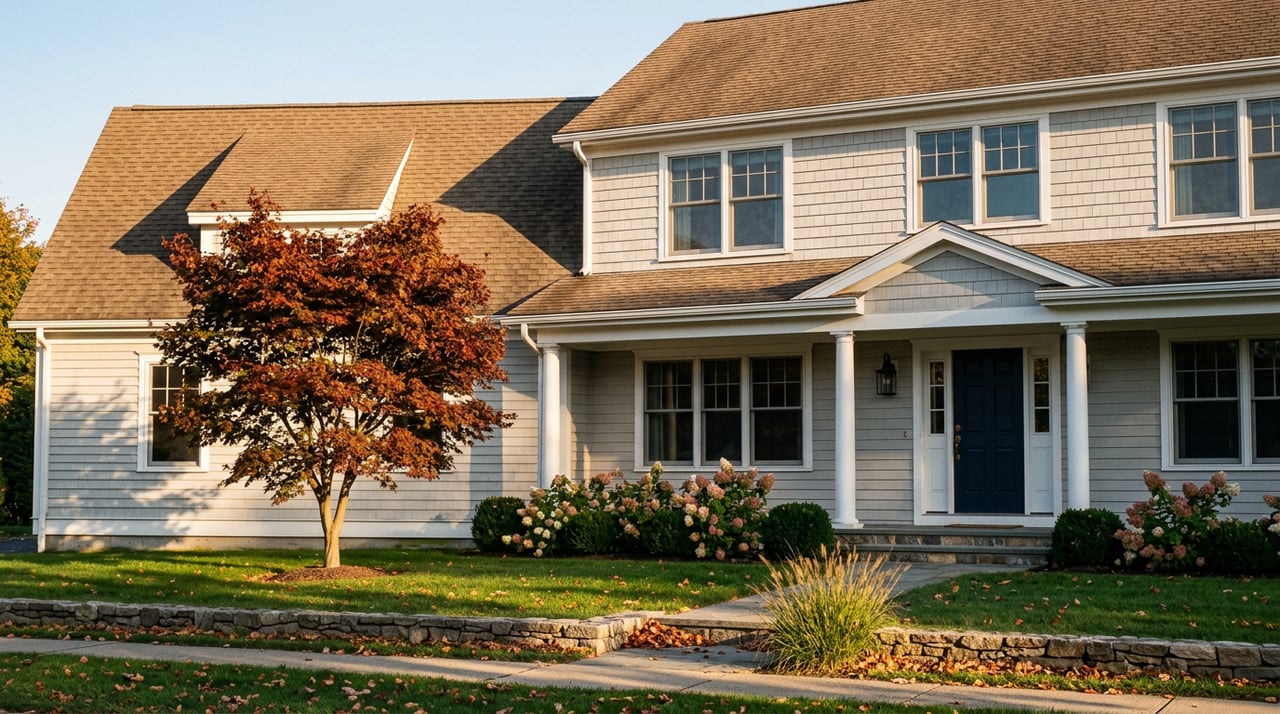
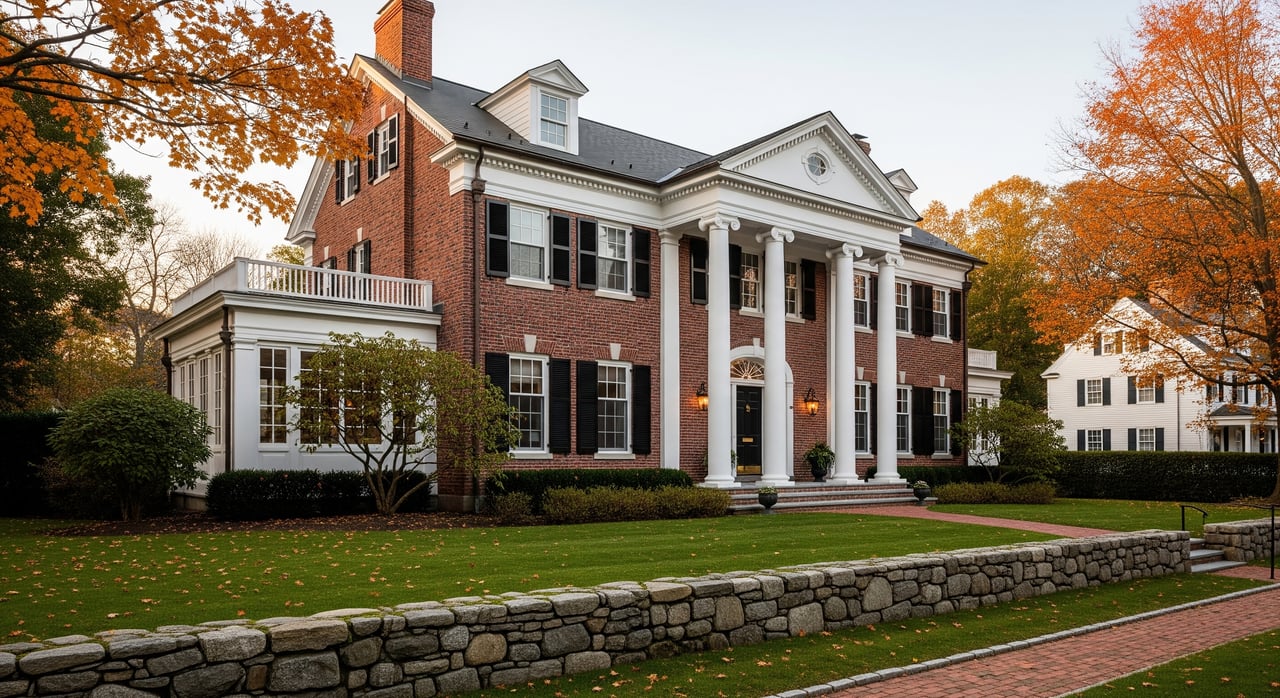
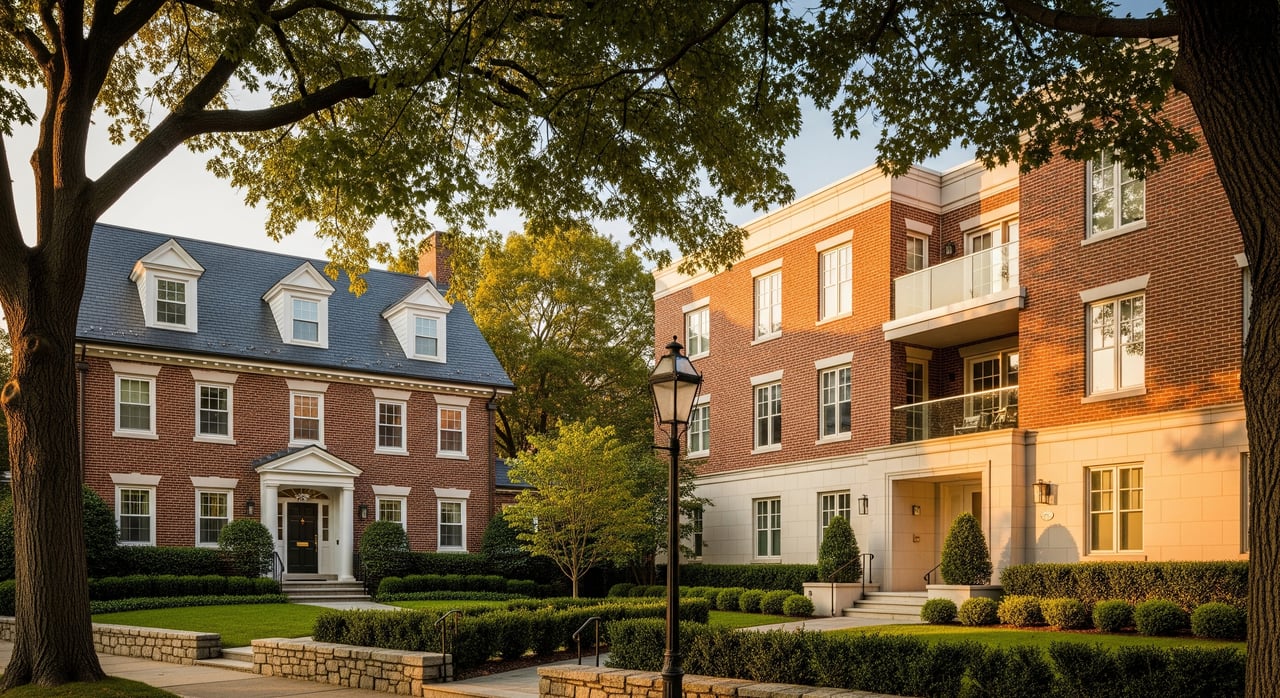
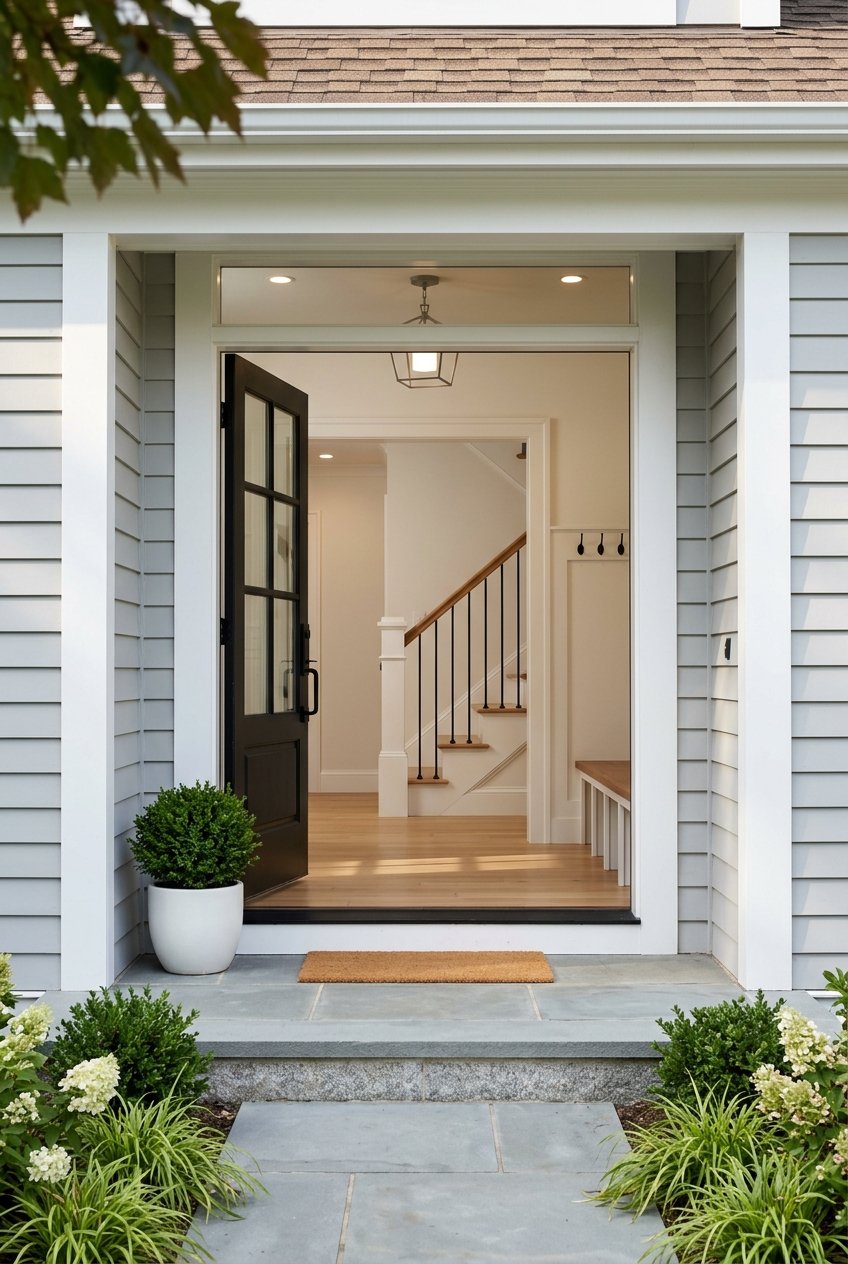
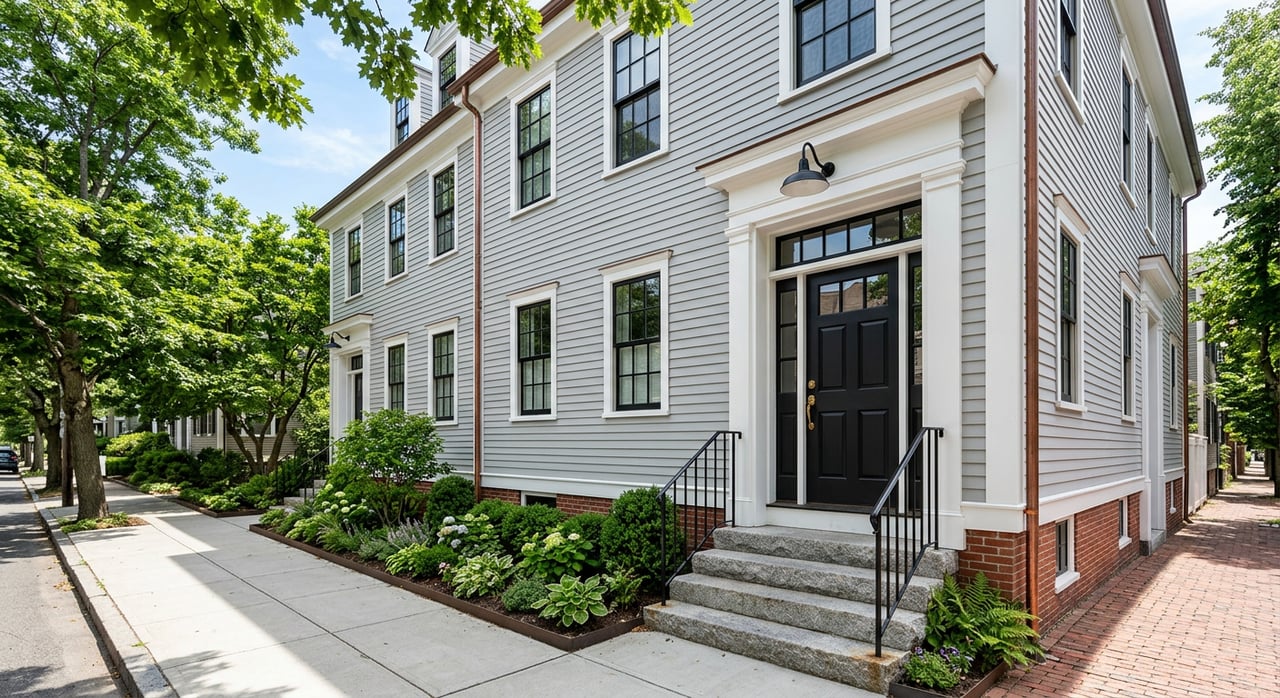
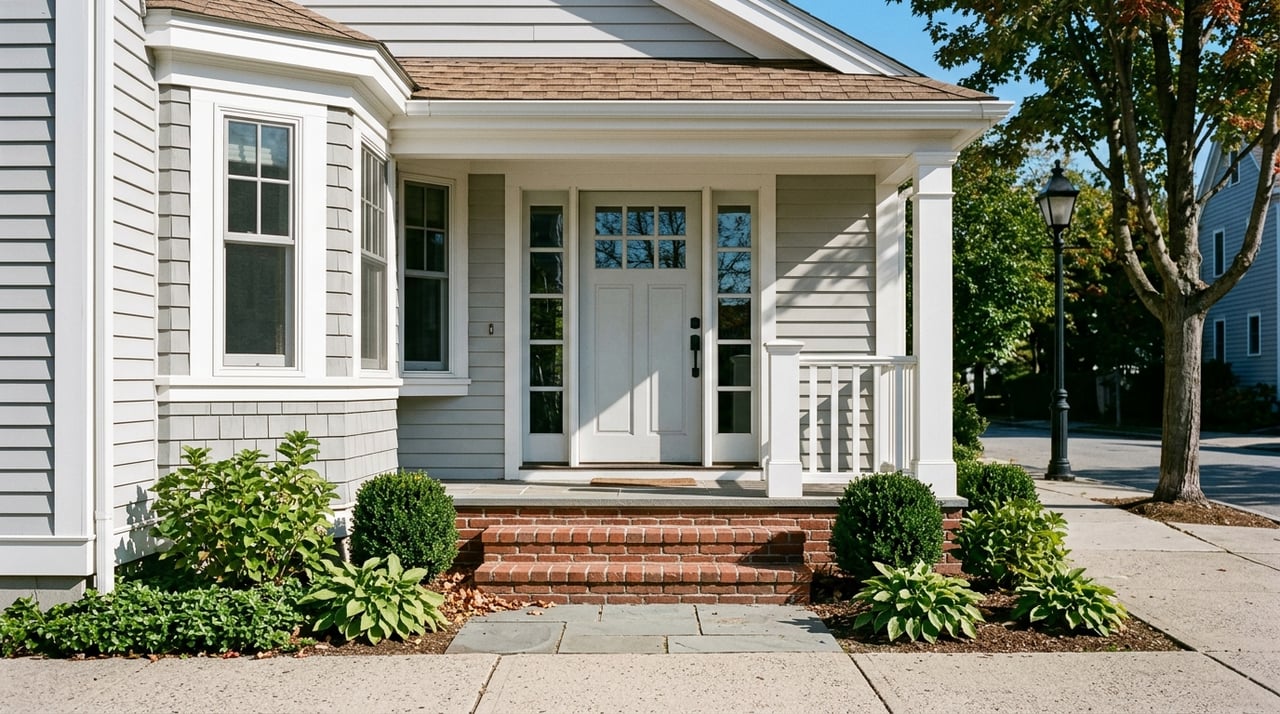
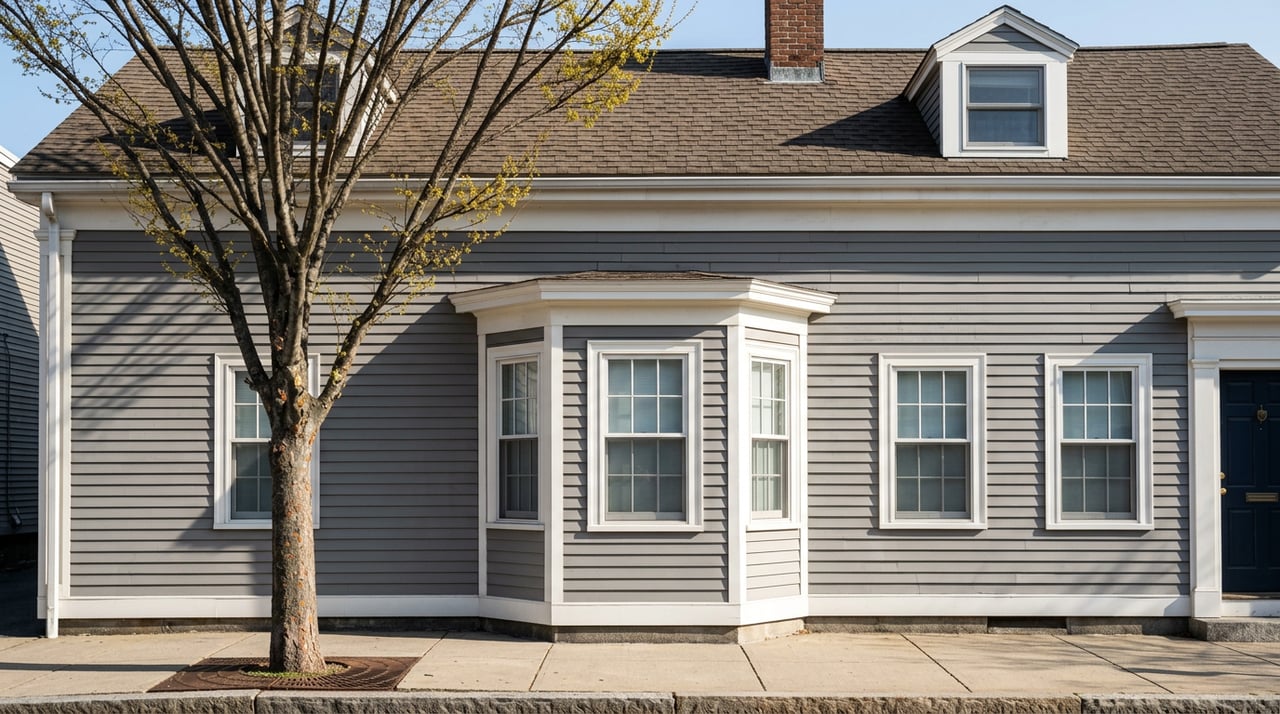
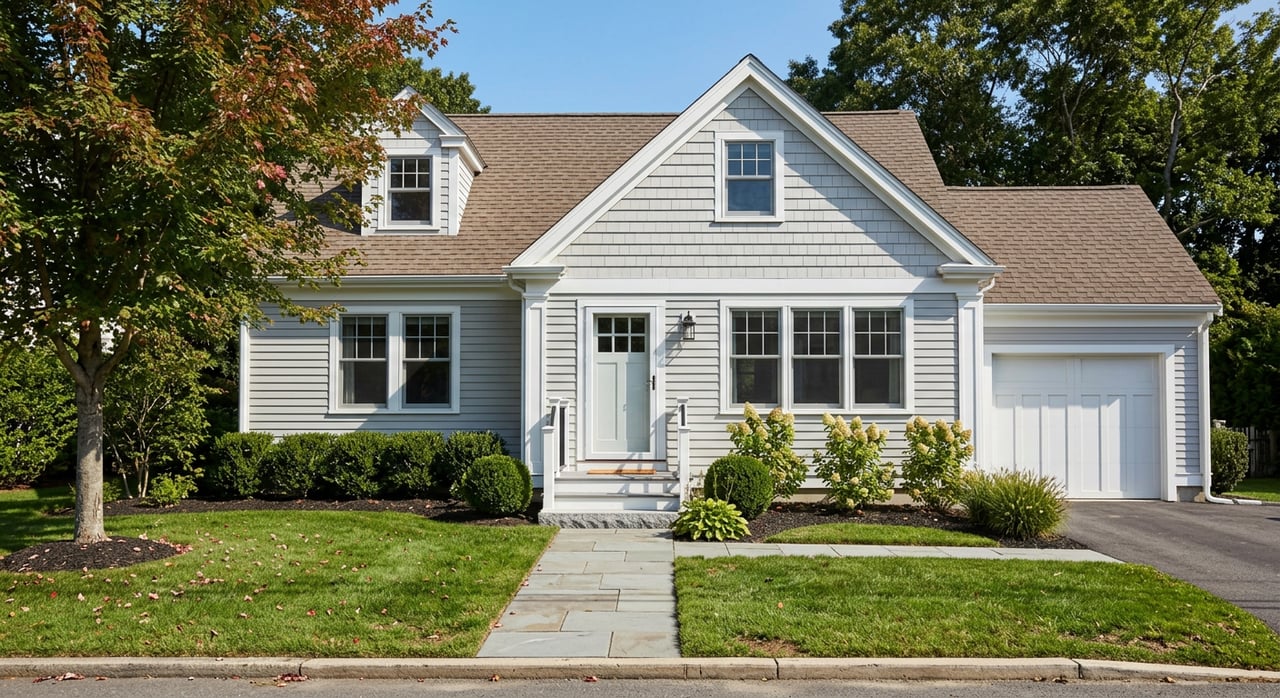
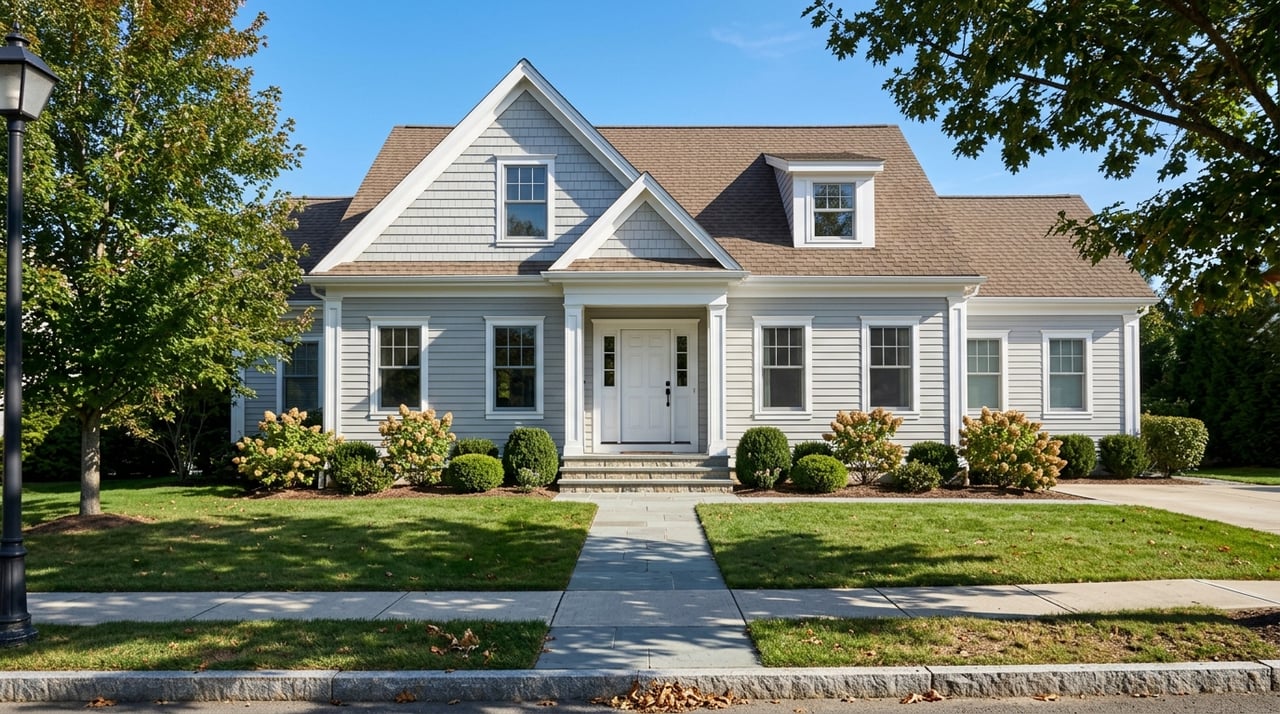
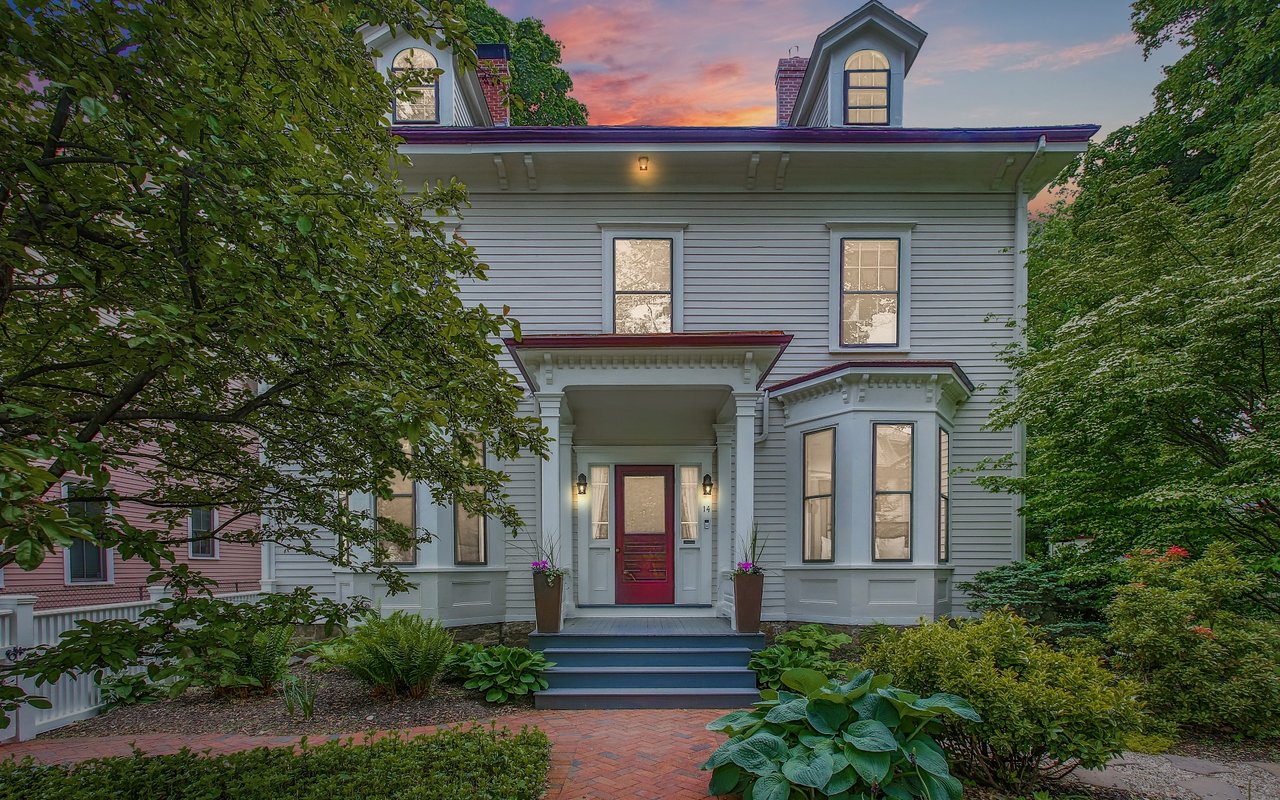
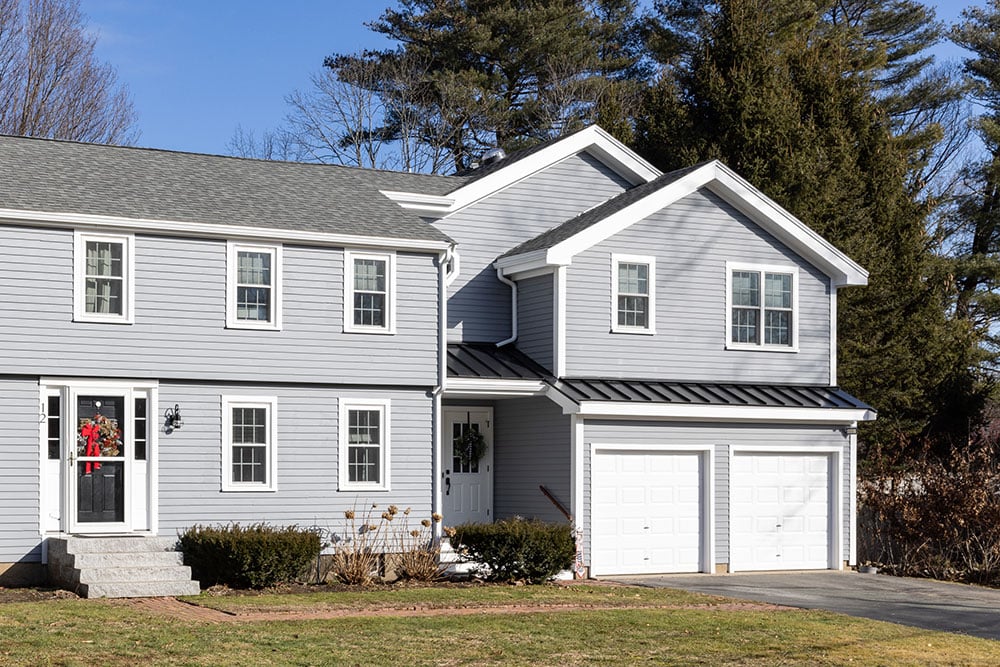
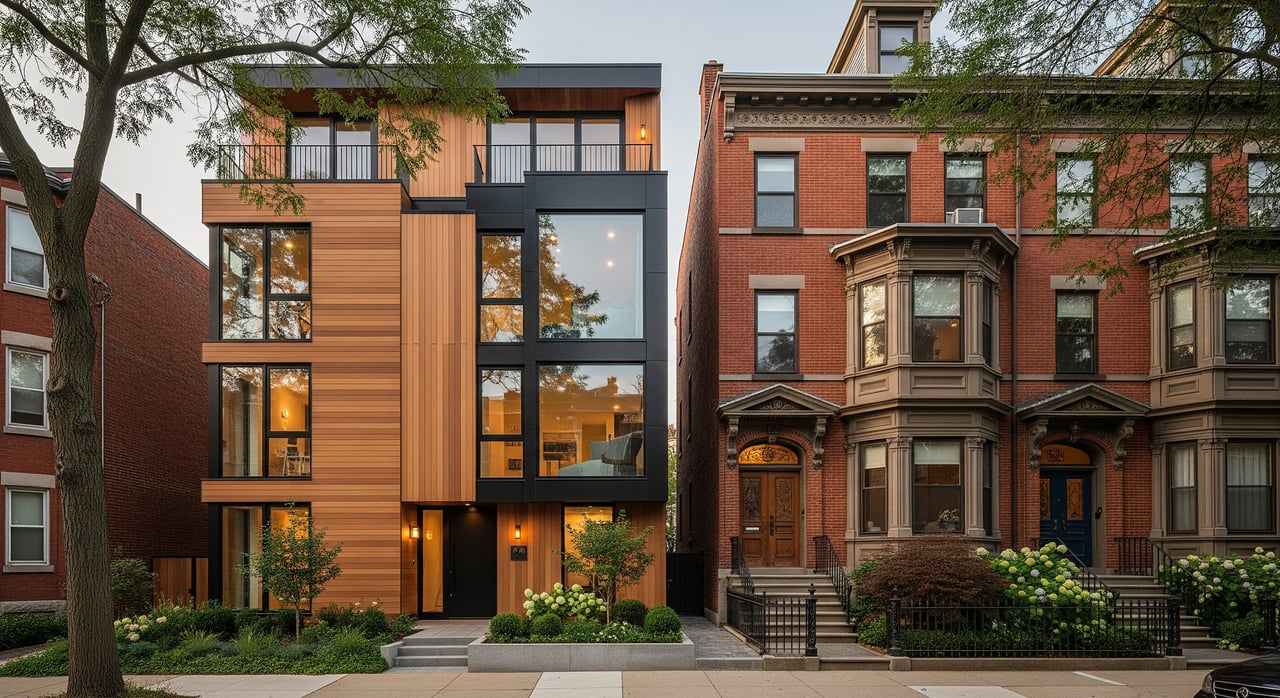
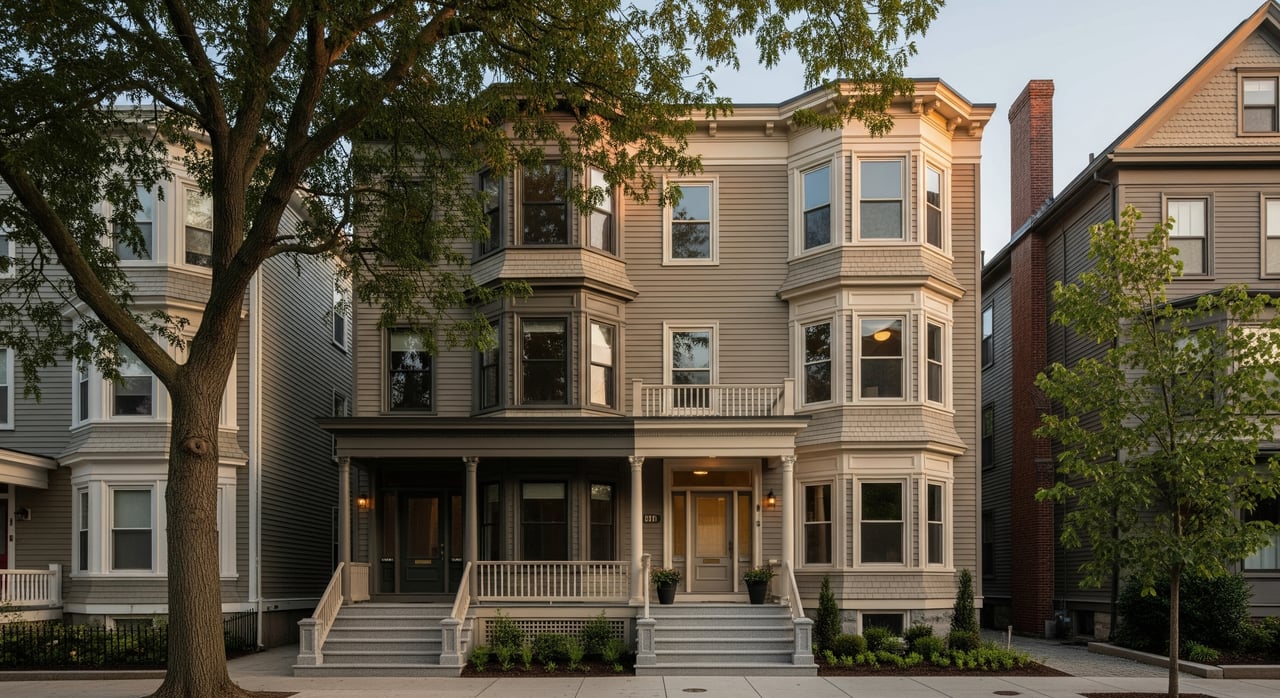
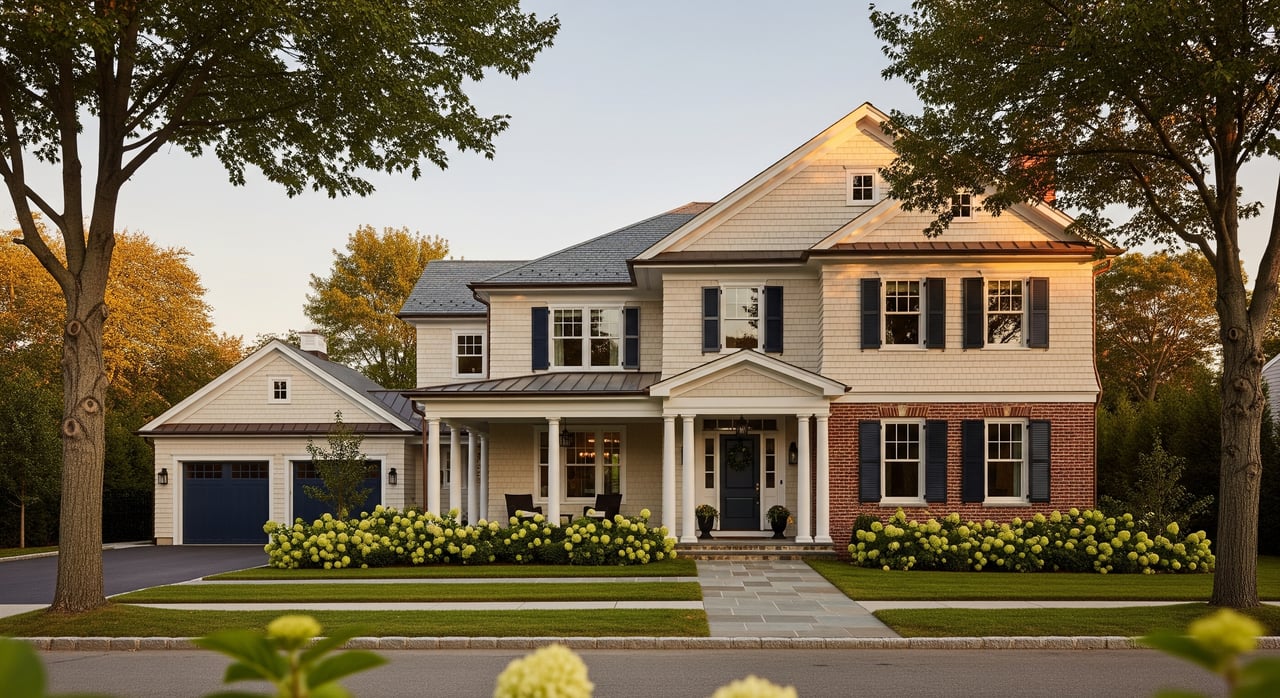
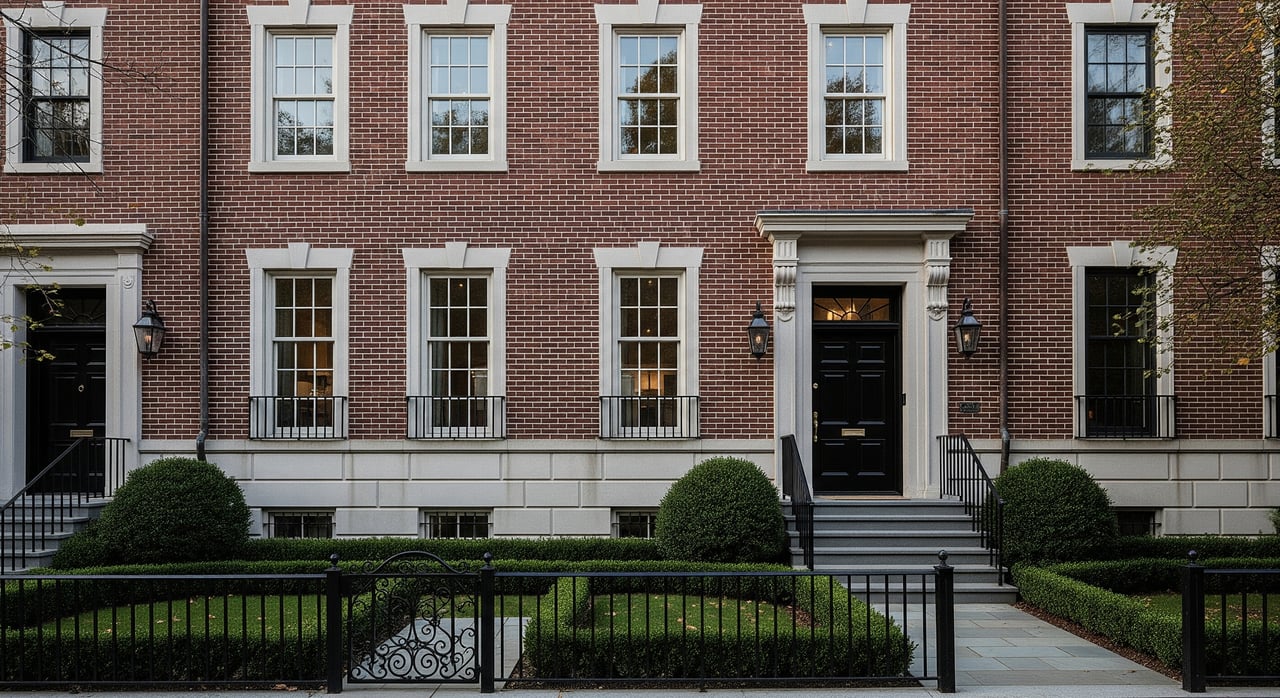
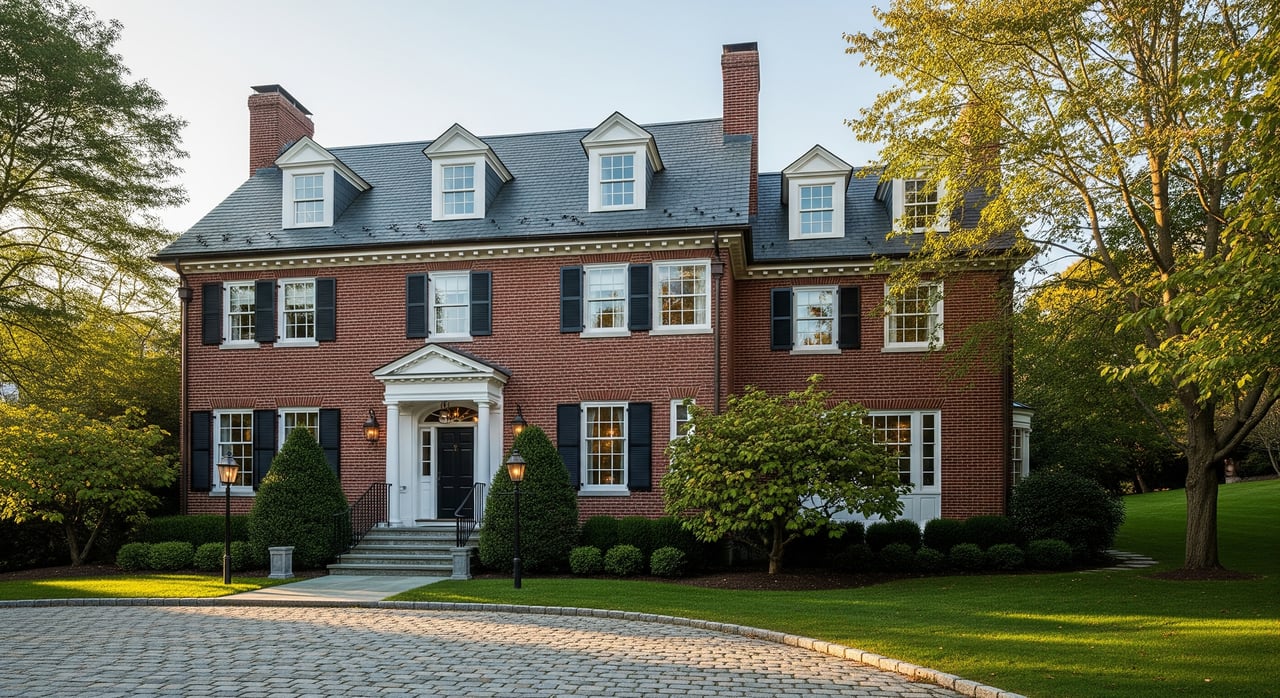
Single-Family Homes are the market's anchor and its most coveted product. You will find meticulously maintained Victorians, Queen Annes, and Colonials concentrated in the older village centers, particularly Newton Corner and West Newton. At the other end of the spectrum, there is a significant and growing trend of teardowns — older, smaller homes replaced by 6,000-plus square foot contemporary custom builds featuring smart home integration, energy-efficient systems, and open floor plans designed for modern family life.
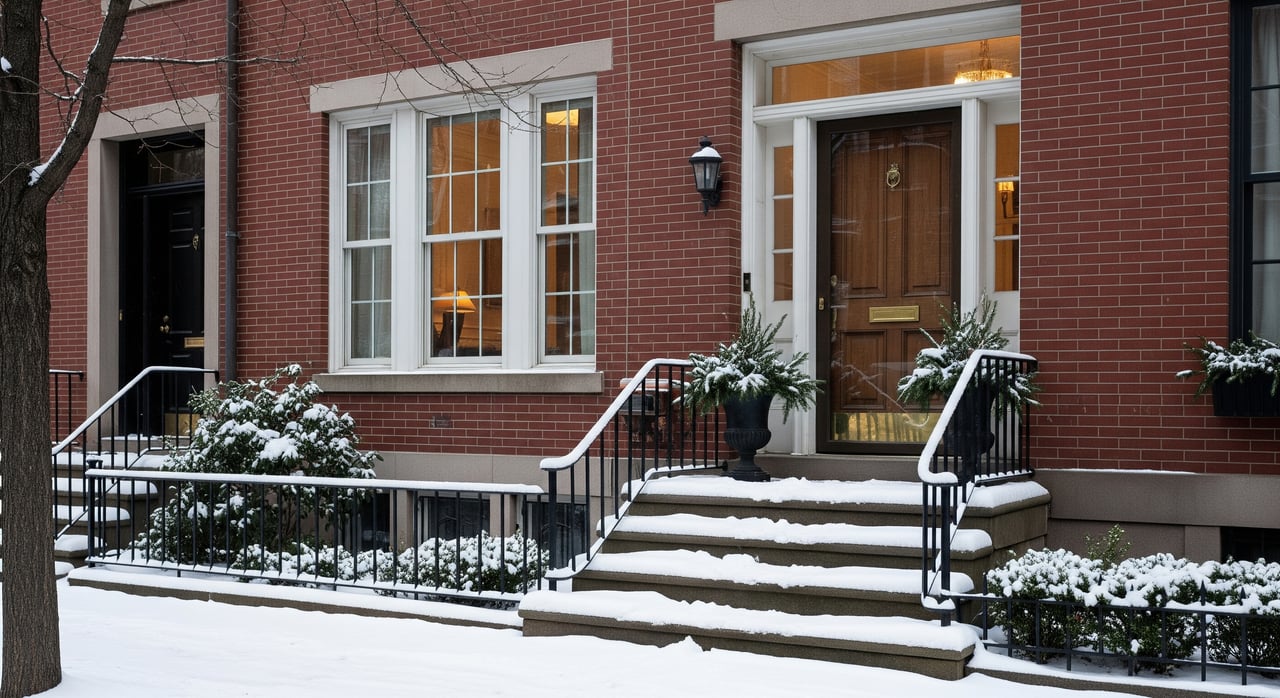
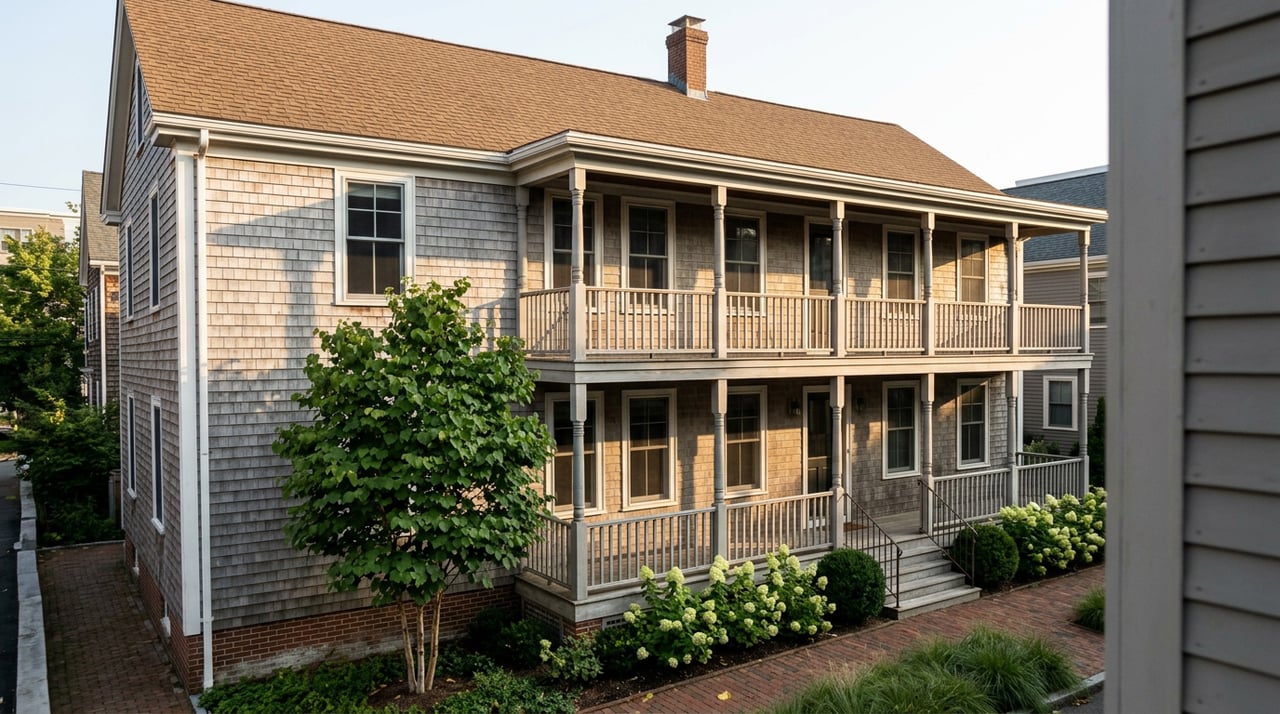
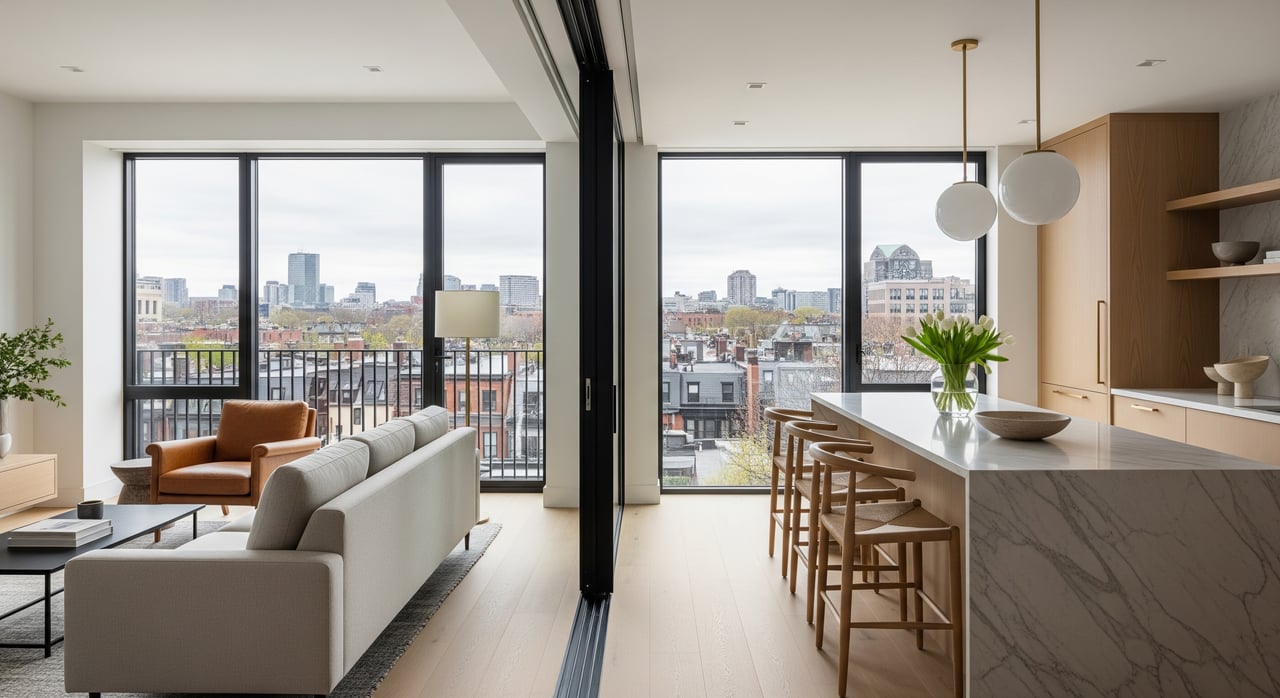
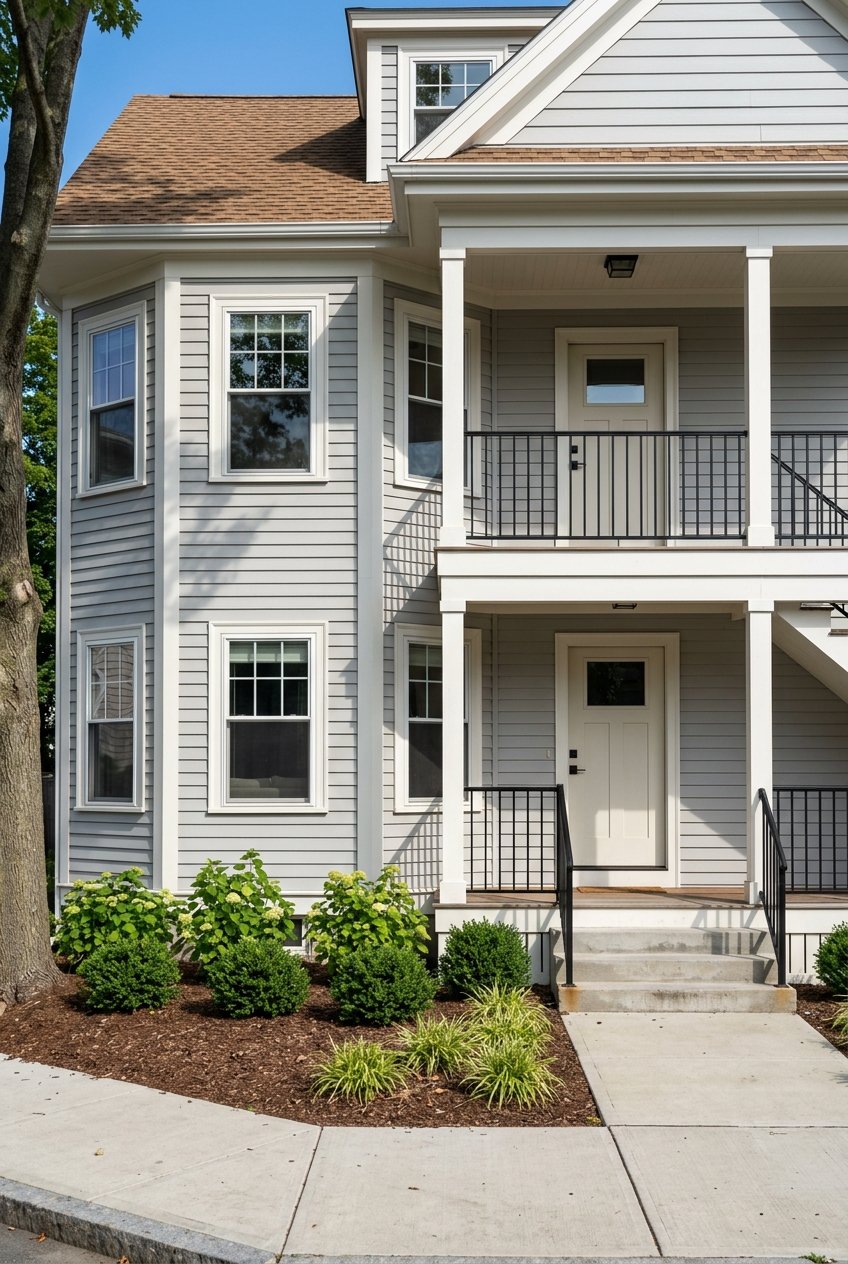
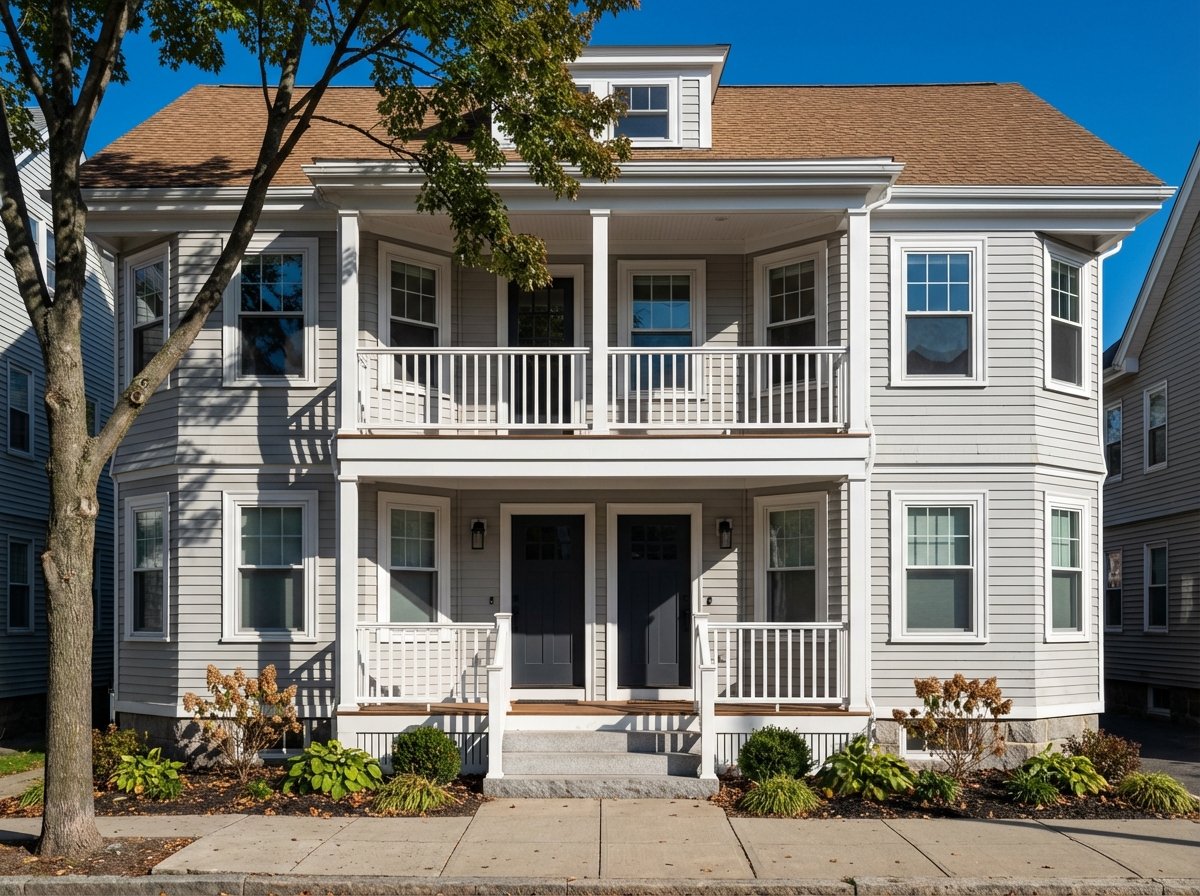
Condominiums and Townhomes offer a lower-maintenance entry point into Newton's market, though "lower" is strictly relative. Many of the city's older two-family homes have been converted into luxury condos that feel like half-houses — private yards, distinctive architecture, and the character of the original structure preserved. Near transit hubs like Newton Highlands and Newtonville, new mid-rise luxury condo developments are increasingly appearing, often with concierge services and fitness amenities.
Apartments and Rentals are concentrated near the Green Line's D-Branch stops and in village centers, with average monthly rents running approximately $3,528. The rental market serves a mix of commuters, graduate students, Boston College affiliates, and professionals who want access to Newton's quality of life while remaining flexible.
Moving to Newton is not simply a change of address — it requires acclimating to a city with its own civic rhythms, logistical rules, and deeply held neighborhood identity.
The single most important piece of advice is to choose your village deliberately. Newton is not monolithic. Newton Centre and Newton Highlands offer the best walkability and dense dining scenes. The Green Line's D-Branch villages — Waban, Eliot, Riverside — provide the fastest subway access into Boston. Newton Corner is the hub for express buses that use the Mass Pike to reach downtown in under 20 minutes.
Newton is strict about its "Garden City" appearance, and waste management is taken seriously. Residents use blue carts for recycling and green carts for trash. Curbside yard waste pickup begins in late March; leaves must be placed in paper bags or marked barrels — plastic is not accepted. Overflow trash requires official orange overflow bags, available at local hardware stores and Wegmans.
The city enforces a Winter Overnight Parking Ban running from approximately December 1 through March 31. Street parking is limited to one hour between 2:00 AM and 6:00 AM. If your property lacks a multi-car driveway, this is a logistical challenge that must be addressed before the first snowfall.
Finally, watch for the annual City Census mailed each February or March. Returning it promptly keeps your household on the voter rolls and contributes to the school enrollment projections that affect busing and resource allocation throughout the district.
Newton is in the middle of its most consequential development cycle in decades, with several large-scale projects reshaping the city's physical character and expanding its residential and commercial capacity.
Northland Newton in Upper Falls is the city's largest and most ambitious project — a 22-acre mixed-use development that began vertical construction in January 2026. When complete, it will deliver over 800 apartments, 96,000 square feet of retail, and a central Village Green. The Upper Falls Splash Park, which opened in June 2025, offers an early preview of the community amenities planned for the site.
Newton Crossing in West Newton is transforming Washington Street with nearly 300 luxury apartments and street-level retail across three buildings, designed around pedestrian-first principles and positioned for easy commuter rail access.
Riverside Station at the Green Line's terminus is undergoing a major pivot in 2026, shifting from an office-heavy program toward approximately one million square feet of residential and life-science space, reflecting both post-pandemic office market realities and the growing demand for transit-accessible housing.
On the infrastructure side, the Washington Street Pilot corridor redesign — adding bike lanes and bus platforms between West Newton and Newtonville — is nearing its final evaluation phase. Two new elementary schools are also on the horizon: Horace Mann Elementary is slated for occupancy in September 2026, with Countryside and Franklin Schools expected in early 2027.
Newton is a market where due diligence must go well beyond the standard inspection checklist.
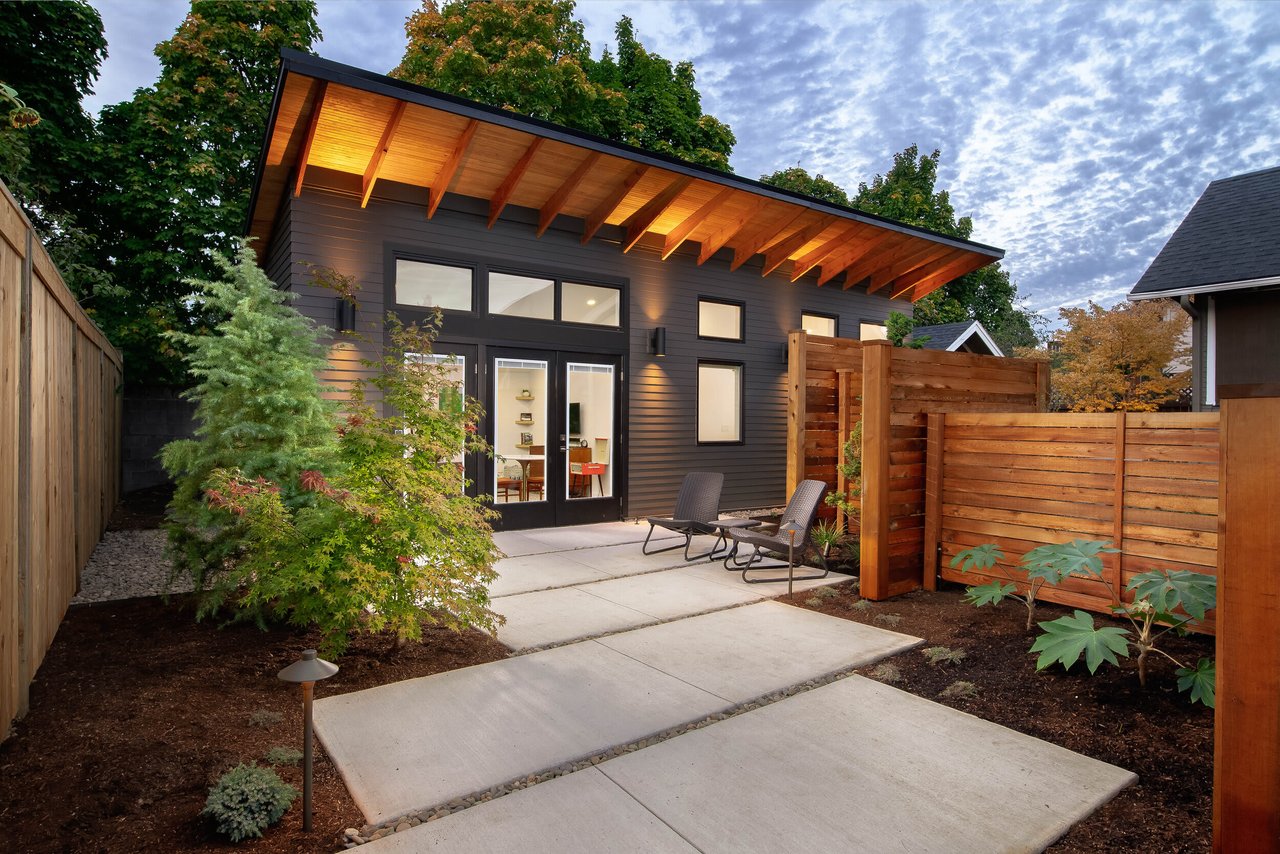
Zoning and ADUs: Updated in 2025, Newton's Accessory Dwelling Unit laws now permit internal or detached ADUs up to 1,000–1,200 square feet "by-right" on most residential lots. For buyers seeking multi-generational living arrangements or rental income, properties with historic carriage houses or large backyards carry meaningful upside.
Flood Zones: Properties near the Charles River in the Lower and Upper Falls areas, or near Cheesecake Brook, may fall within FEMA flood zones. Flood insurance premiums have adjusted in 2026; always verify a property's specific Flood Factor before submitting an offer.
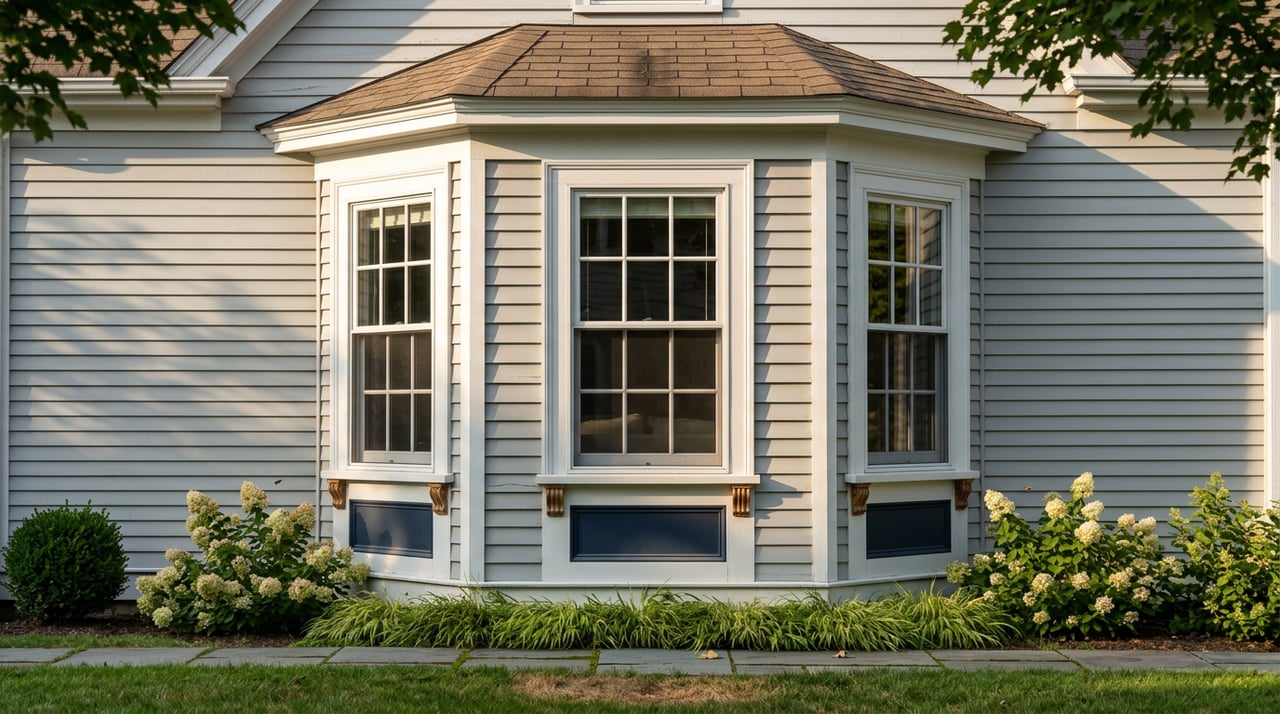
Property Age and Hidden Costs: The majority of Newton's housing stock is over 100 years old. Knob-and-tube wiring, lath-and-plaster walls (which significantly degrade Wi-Fi coverage), lead paint, and oil heating systems are all common and must be factored into your total cost of ownership. Converting from oil to a high-efficiency heat pump system is a popular but substantial investment in 2026.
School Boundaries: Newton operates two high schools — Newton North and Newton South — and the dividing line does not map neatly onto village boundaries. If a specific school is a deciding factor, verify the address directly with the Newton Public Schools enrollment locator before proceeding.
Transit Noise: Living on or adjacent to the Green Line D-Branch trades a 20-minute commute for the distinctive metallic screech that accompanies light rail. Properties directly abutting the tracks carry this trade-off, and it should be evaluated in person at multiple times of day.
Selling in Newton rewards sellers who understand the market's rhythms and its buyers' expectations.
Timing: The window between late February and Mother's Day is the city's prime selling season. Families want to be under contract by May to enroll children for the September school year. Properties that miss this window often face a meaningful slowdown through July as buyer attention shifts to summer. Positioning your listing for the late-winter market requires preparation that begins in January.
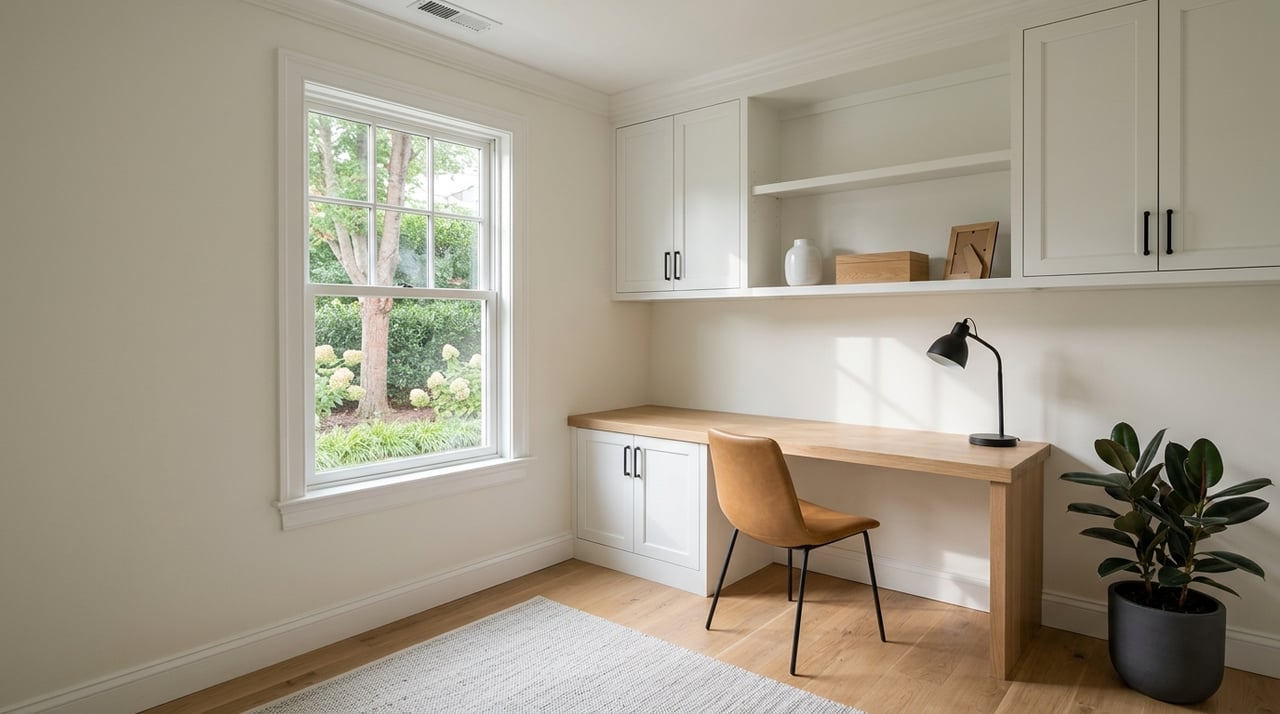
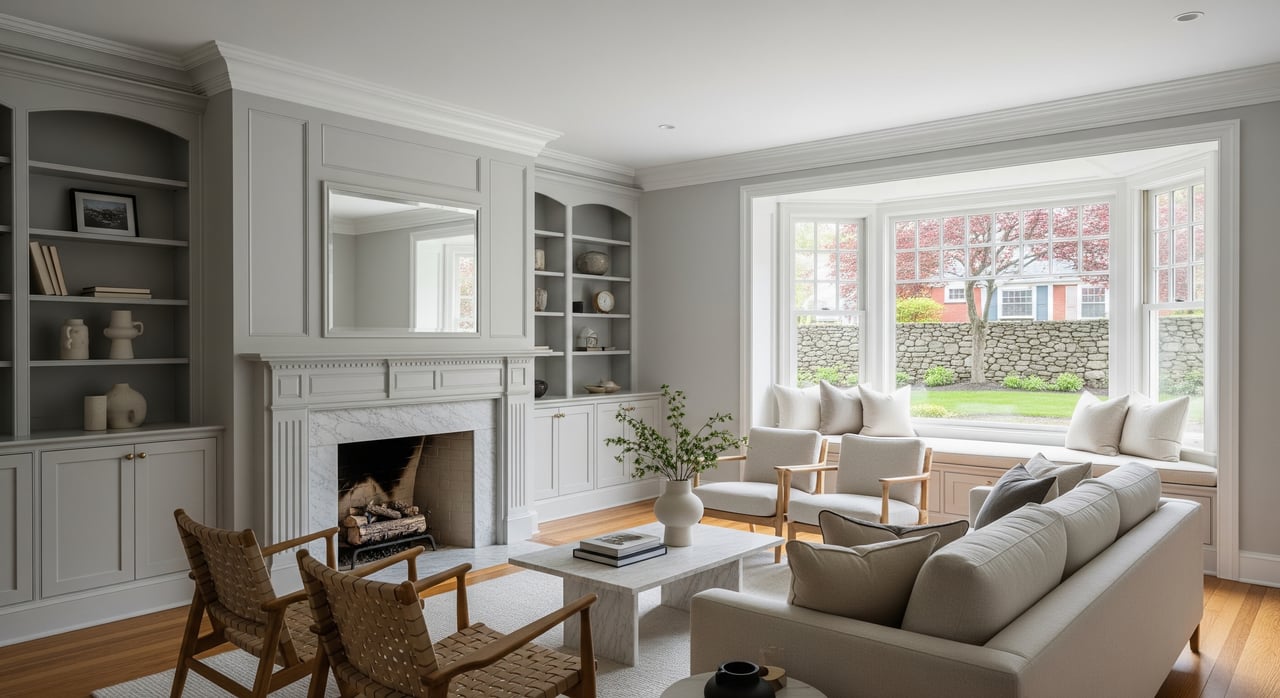
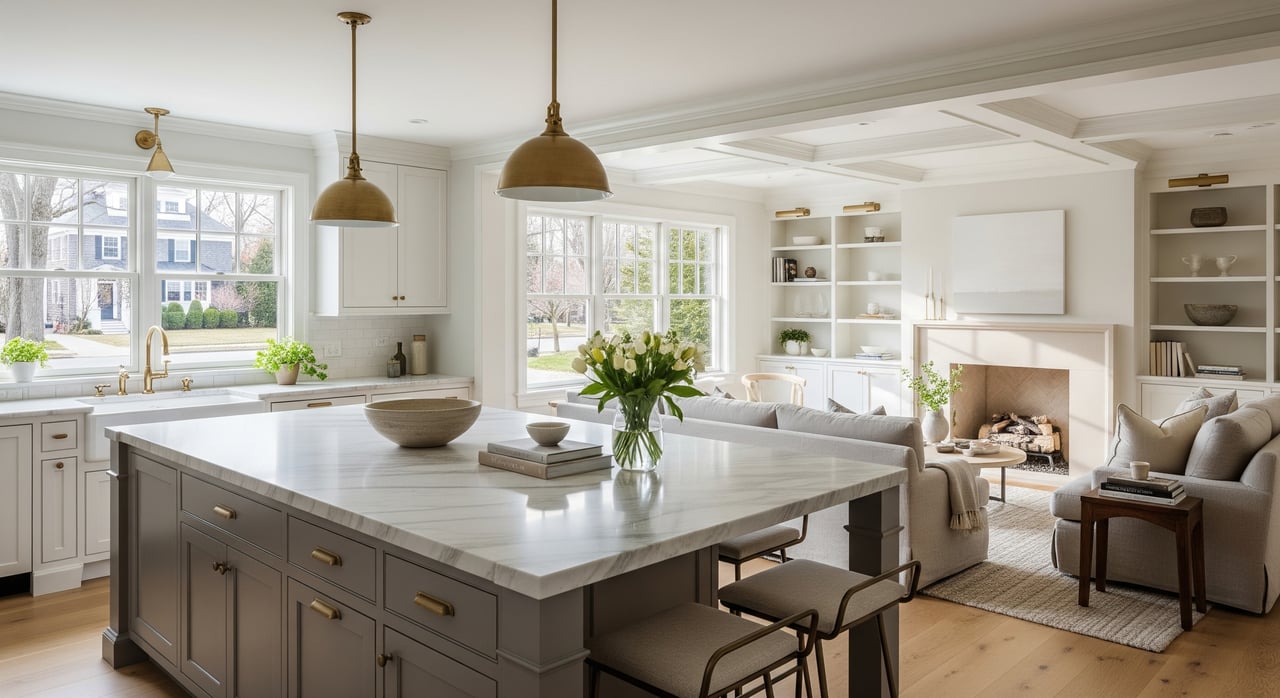
Staging for 2026 Buyers: The all-grey aesthetic that dominated Newton interiors for the past decade is finished. The 2026 buyer wants "Modern Heritage" — original architectural details like fireplaces, crown moldings, and hardwood floors paired with warm, earthy tones (terracotta, olive green, creamy whites). Staging a spare bedroom as a wellness nook or a dedicated remote work room generates more buyer enthusiasm than a traditional guest suite.
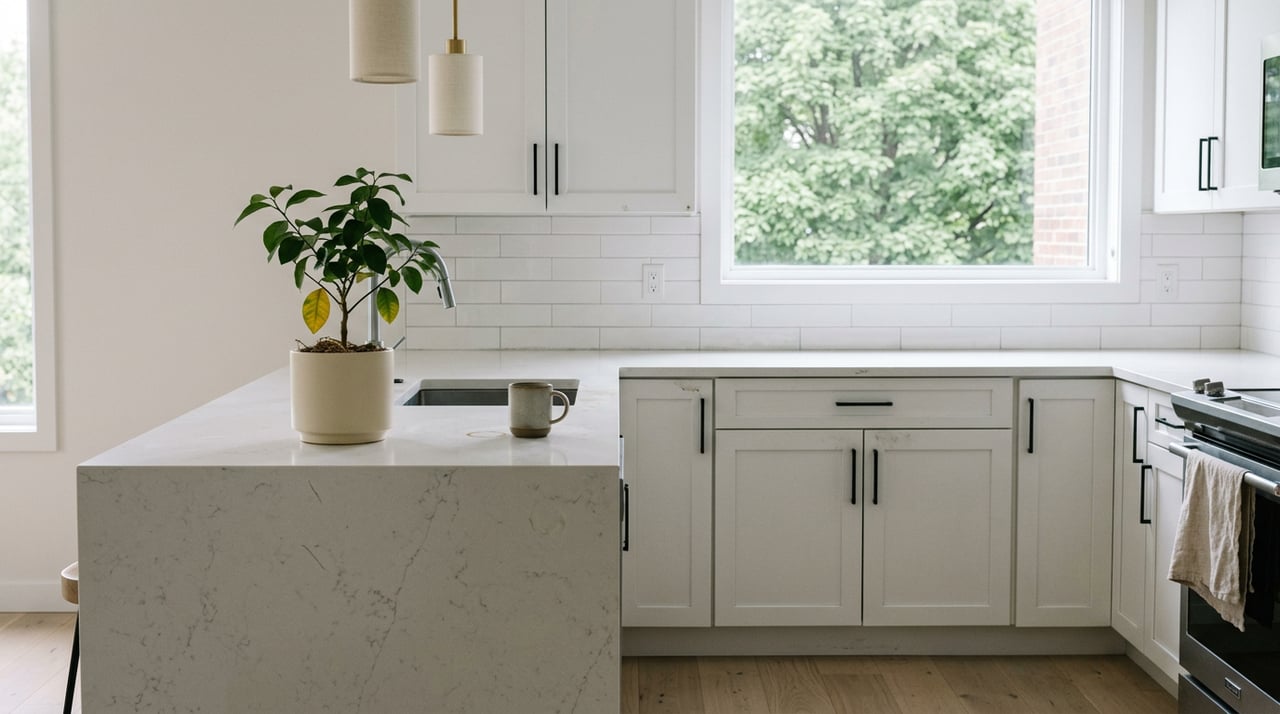
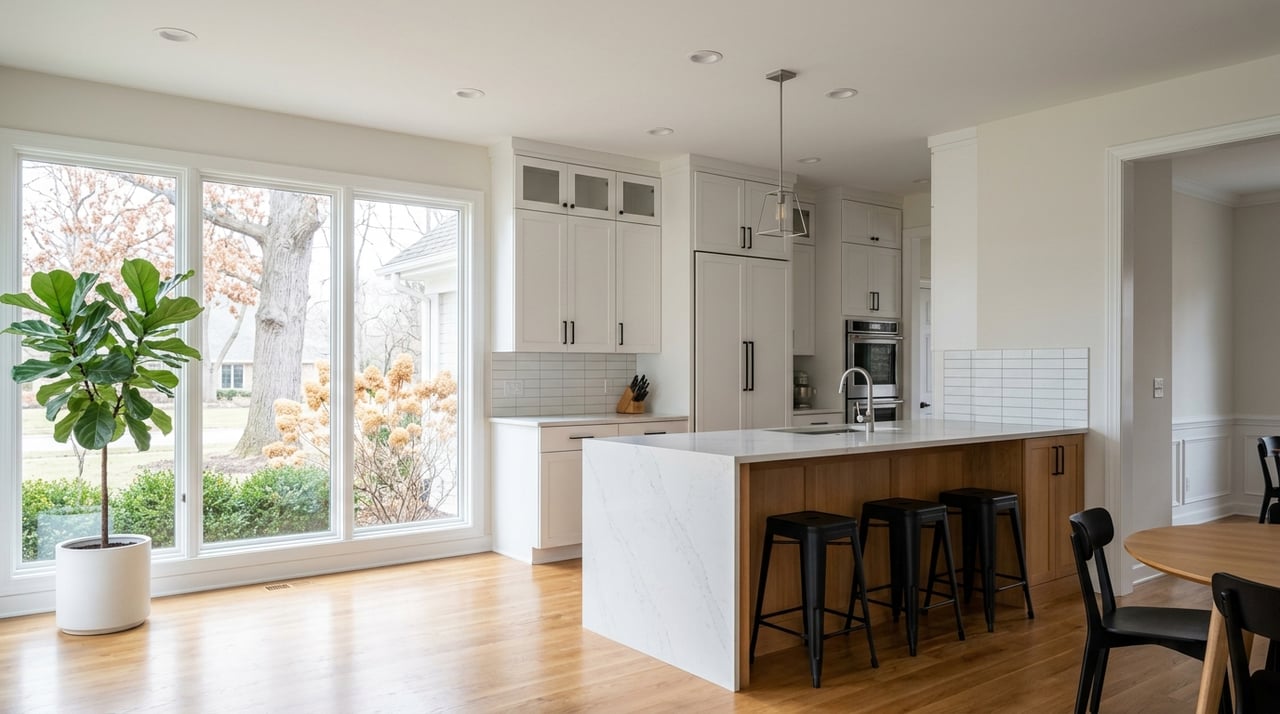
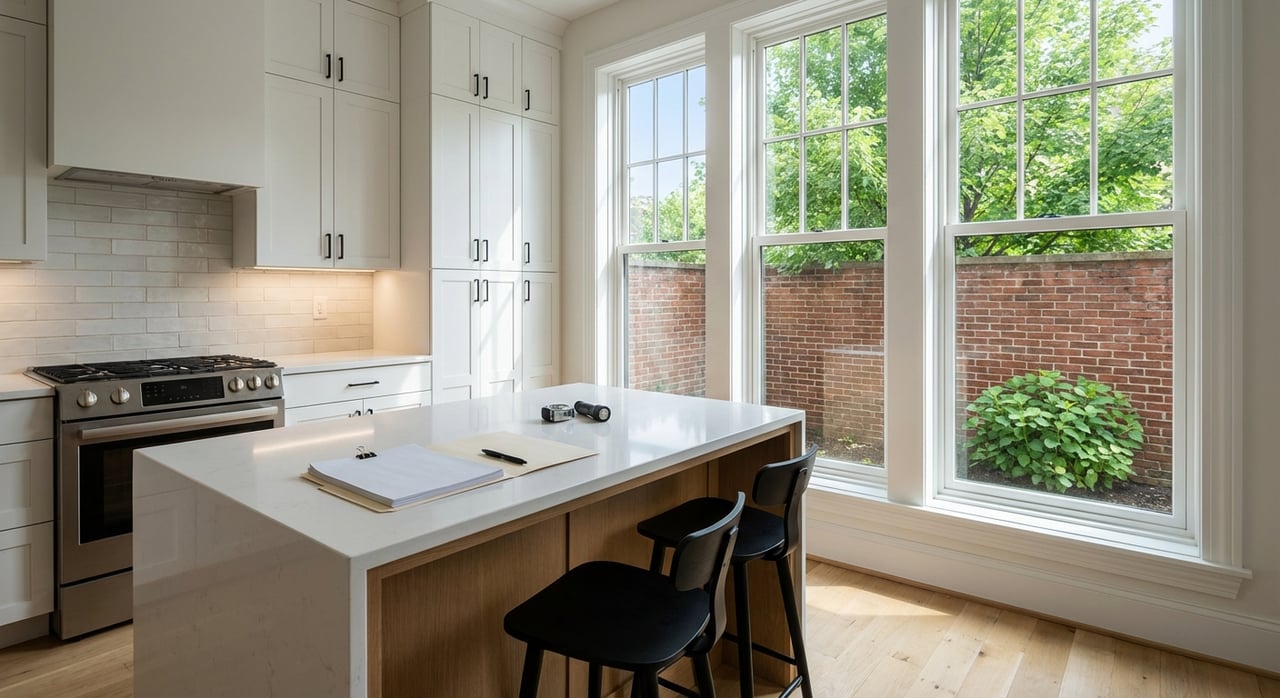
High-ROI Upgrades: A full kitchen gut renovation is rarely necessary. Cabinet refacing and waterfall quartz countertops produce a premium look at a fraction of the cost. Smart home integration — a Nest or Ecobee thermostat, a Ring or Arlo security system — signals modernization to a buyer pool that has come to expect it. These are low-cost, high-signal improvements.
Know Your Buyer: Your likely buyer earns well above six figures, has likely exhausted available cash on the down payment, and will pay a meaningful premium for a home that requires zero immediate work. In a market where a fixer-upper starts at $1.1M, turnkey condition is not a luxury — it is the expectation.
Newton's culinary scene is organized not around a single downtown but around its village centers, each offering a distinct dining experience calibrated to the tastes of its local population.
Newton Centre functions as the city's culinary core. Sycamore remains the gold standard for neighborhood fine dining, with a seasonal, farmhouse-driven menu that has earned a devoted following well beyond Newton's borders. For casual family dining, Bill's Pizzeria has been a local institution for decades. The 2026 arrival of a Wonder Food Hall brings a new model to the city — a ghost kitchen platform allowing diners to order from multiple nationally recognized restaurant concepts in a single transaction.
Newtonville and West Newton cater to the "dinner and a show" crowd. The Biltmore Bar & Grille, housed in a historic 1914 building with a speakeasy past, is a neighborhood anchor. The West Newton Cinema, an independent theater committed to foreign and art house film, provides the kind of cultural programming the multiplexes have abandoned.
Café Culture: Newton's coffee scene is serious. George Howell Coffee in Newtonville is a destination for specialty coffee connoisseurs; L'Aroma Café in West Newton offers a European café atmosphere that rewards unhurried mornings.
For live performance, the Newton Community Stage — a modern 400-seat auditorium at the Lincoln-Eliot School — hosts local theater and concerts, while the Newton Theatre Company in Newtonville produces professional-grade shows with a particular focus on women's voices in the arts.
Newton's retail landscape reflects its demographics: affluent, educated, and oriented toward quality over quantity.
The Chestnut Hill area anchors Newton's upscale retail offering. The Chestnut Hill Mall and The Street at Chestnut Hill together house a concentration of luxury and national premium brands — everything from Apple and Restoration Hardware to specialty boutiques and high-end apparel. This corridor along Route 9 serves not just Newton residents but draws shoppers from across the western suburbs.
The village centers — particularly Newton Centre, Newtonville, and West Newton — offer the counterweight: independent bookstores, specialty food shops, boutique fitness studios, local jewelers, and artisan bakeries that give Newton its distinctly non-chain commercial character. The Newton Farmers' Market, which operates seasonally, draws vendors from across the region and has become a genuine community gathering point.
For daily grocery needs, residents are well-served by Wegmans, Roche Bros., and several Whole Foods locations positioned along Route 9 and in adjacent communities.
Newton takes its "Garden City" identity seriously, and the result is a parks and recreation infrastructure that would be exceptional in a city three times its size.
Crystal Lake in Newton Centre is the crown jewel of the city's outdoor offerings — a 33-acre kettle hole pond with a private beach, bathhouse, and summer swim programs. Daily resident passes run $8.00. Gath Pool in the Albemarle area provides an additional outdoor swimming option through the humid summer months.
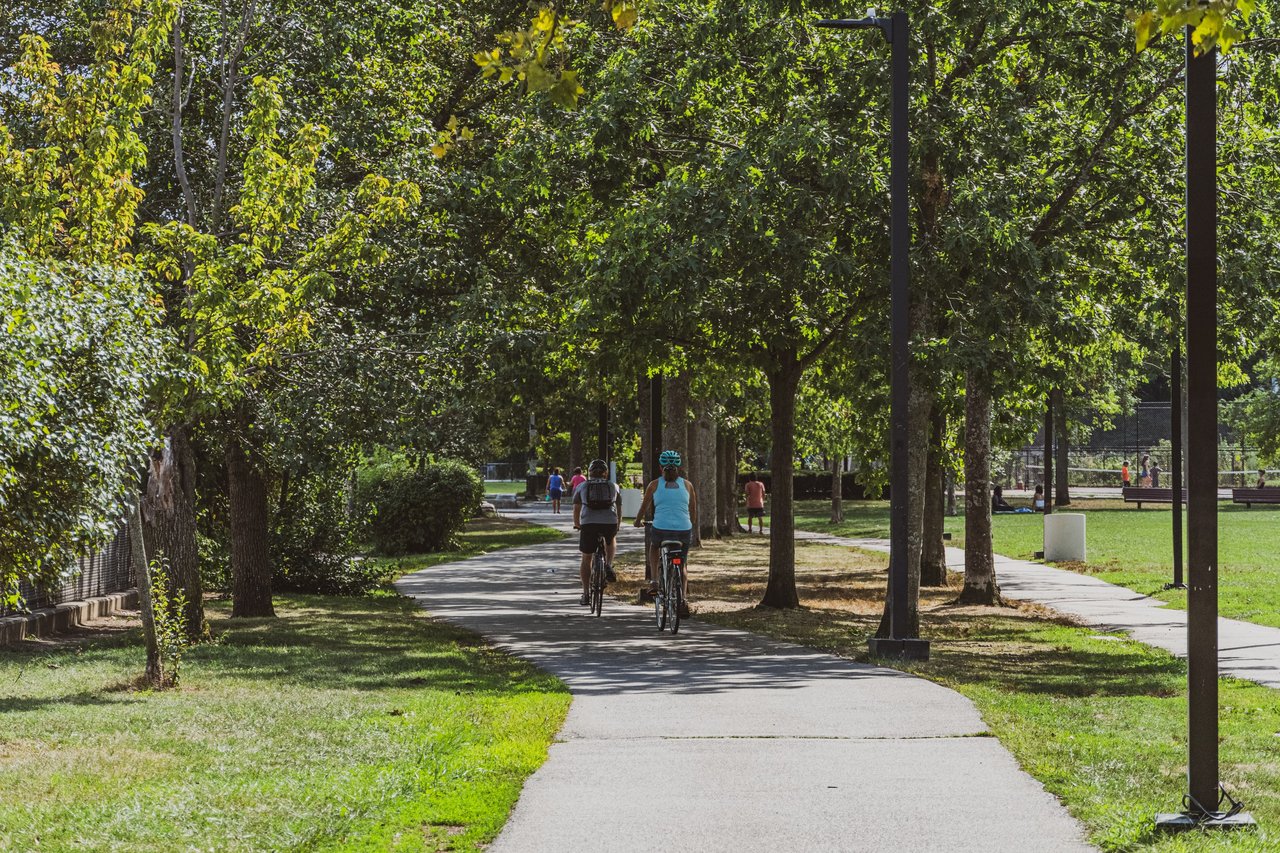
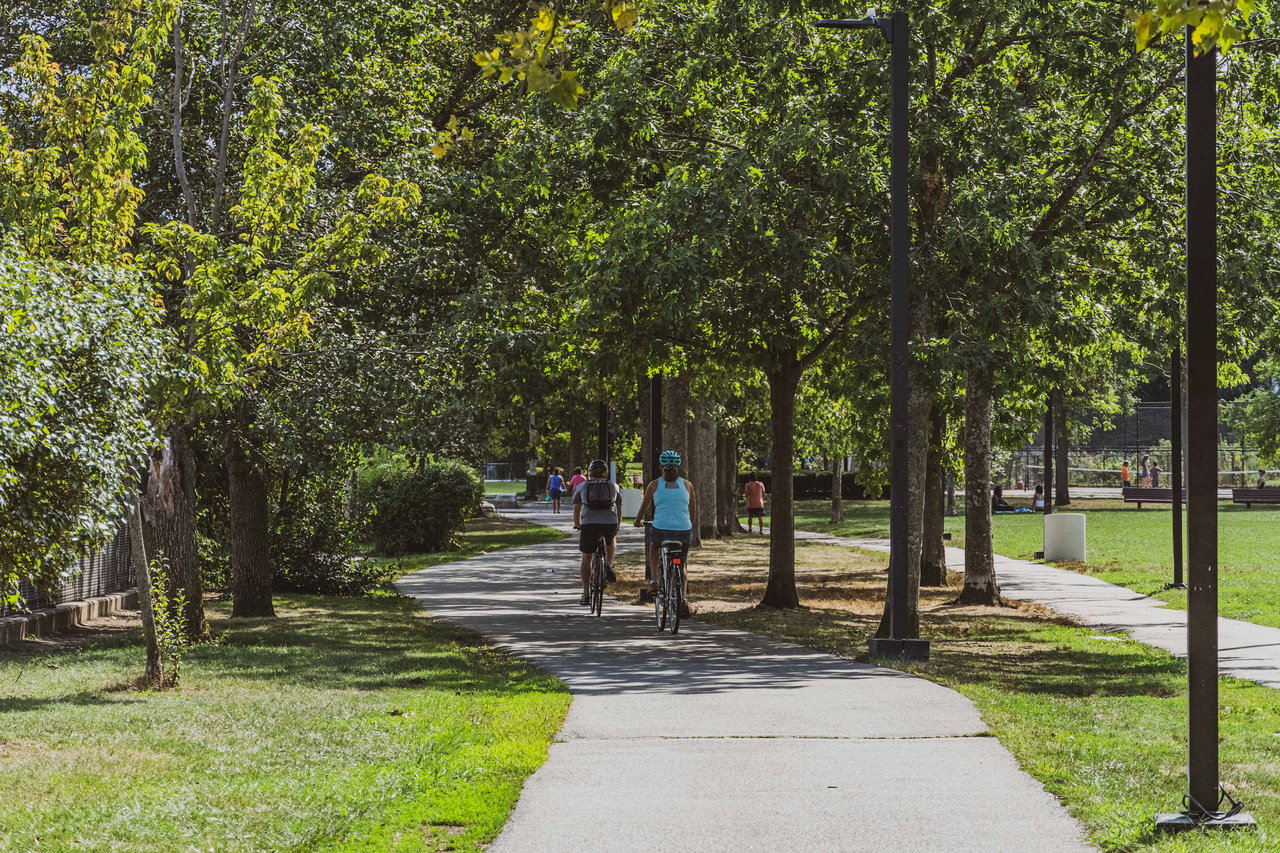
The trail network is where Newton truly distinguishes itself from its suburban peers. The Webster Conservation Area encompasses 230 acres of protected land with Puddingstone cliffs, Gooch's Cave, and Hammond Pond — terrain that feels genuinely remote despite sitting minutes from Chestnut Hill's shopping corridors. Hemlock Gorge and Echo Bridge in Upper Falls offer some of the most photographed scenery in the region, centered on a massive stone aqueduct spanning the Charles River falls. The Blue Heron Trail, part of the Charles River Pathway, provides a paved multi-use corridor connecting Newton to Boston and Waltham — ideal for cyclists, runners, and anyone who prefers their commute to involve a river view.
For golfers, Newton Commonwealth Golf Course — designed by the legendary Donald Ross and known for its notoriously narrow fairways — is a public 18-hole course with genuine historical character. Newton Centre Playground, originally designed by the Olmsted Brothers, offers the city's only clay tennis courts alongside lighted basketball courts. Cold Spring Park features a 1.5-mile wooded exercise trail and one of Newton's most popular off-leash dog areas.
Newton's culture is shaped by its unusual combination of institutional density and residential character. The proximity of Boston College, Harvard Medical School affiliates, and the Longwood Medical Area means that physicians, researchers, and academics make up a significant portion of the resident population — and that intellectual energy infuses everything from the quality of local political debate to the depth of programming at the Newton Free Library, itself one of the finest public libraries in Massachusetts.
The city's civic culture is notably engaged. Neighborhood associations in Newton are active and vocal; development proposals, school redistricting plans, and environmental initiatives generate the kind of sustained community attention that planners in most cities would envy. This is a place where people show up — to city council meetings, to school board forums, to the farmers' market on a rainy Saturday morning.
The "thirteen villages" structure reinforces a hyper-local identity that most suburbs have lost entirely. Residents identify first with their village and second with the city; Waban residents and Newton Corner residents share a zip code but occupy genuinely distinct social worlds. That localism is part of what makes Newton feel less like a suburb and more like a collection of actual neighborhoods — which, of course, is exactly what it is.
Newton Public Schools is consistently ranked among the top ten school districts in Massachusetts, serving more than 11,000 students across 22 schools. The district's reputation is the single largest driver of Newton's housing demand and, by extension, its property values.
At the high school level, both Newton North (Newtonville) and Newton South (Newton Centre) hold A+ ratings on Niche and rank among the top 25 public high schools in the state. Newton North is particularly known for its vocational-technical programs and one of the most active theater departments in New England. Newton South draws attention for its rigorous STEM curriculum and exceptional music program.
The four middle schools — Bigelow, F.A. Day, Oak Hill, and Charles E. Brown — serve grades six through eight. Oak Hill and Brown have drawn particular recognition in 2026 for student-to-teacher ratios approximating 10:1, which is exceptional for a public district of Newton's size.
At the elementary level, the village school model means most children can walk to their neighborhood school. Mason-Rice, Ward, and Zervas consistently report among the highest MCAS scores in the Commonwealth.
For families seeking private options, Newton is home to Newton Country Day School (all-girls, grades 5–12), The Fessenden School (all-boys, K–9), and Jackson Walnut Park, which blends Montessori and Catholic educational philosophies. Preschool demand is intense; Wellan Montessori and The Teddy Bear Club (which offers French immersion) are among the most sought-after options, alongside the Newton Early Childhood Program (NECP) for integrated specialized services.
At the university level, Boston College anchors the Chestnut Hill section of Newton, and Lasell University operates out of Auburndale — both contributing meaningfully to the city's academic atmosphere and talent pipeline.
Newton may offer the most genuinely multi-modal commuting options of any suburb in Greater Boston, which is a meaningful competitive advantage for households where both partners work in different parts of the metro area.
The MBTA Green Line D-Branch is Newton's most visible transit asset — a subway line running through the heart of the city with stops at Chestnut Hill, Newton Centre, Newton Highlands, Eliot, Waban, Woodland, and Riverside. Commute times to Copley Square or Park Street run approximately 25–35 minutes. It is the fastest branch of the Green Line and notably less congested than the B or C branches.
The Framingham/Worcester Commuter Rail serves Newton's northern villages — Newtonville, West Newton, and Auburndale — with commute times of 15–20 minutes to South Station or Back Bay. For residents who need to be at their desks by 8:30 AM, this is often faster and more predictable than the subway.
Express Buses are Newton Corner's secret weapon. The 501, 504, and 550+ series buses access the Mass Pike directly, delivering downtown Boston arrivals in under 20 minutes — bypassing the Green Line entirely and offering a faster ride for corridor-specific destinations.
By highway, Newton sits at the intersection of I-90 (Mass Pike) for east-west travel, I-95/Route 128 for north-south access along the technology corridor, and Route 9 for direct access to Brookline and the Longwood Medical Area. The Newton Corner interchange — locally known as the "Circle of Death" — requires patience during rush hour, but once through, access to Boston's core is rapid and direct.
Within Newton's thirteen villages, certain streets and micro-locations have achieved near-mythic status among serious buyers — either for their architectural legacy, their physical setting, or the particular quality of life they offer.
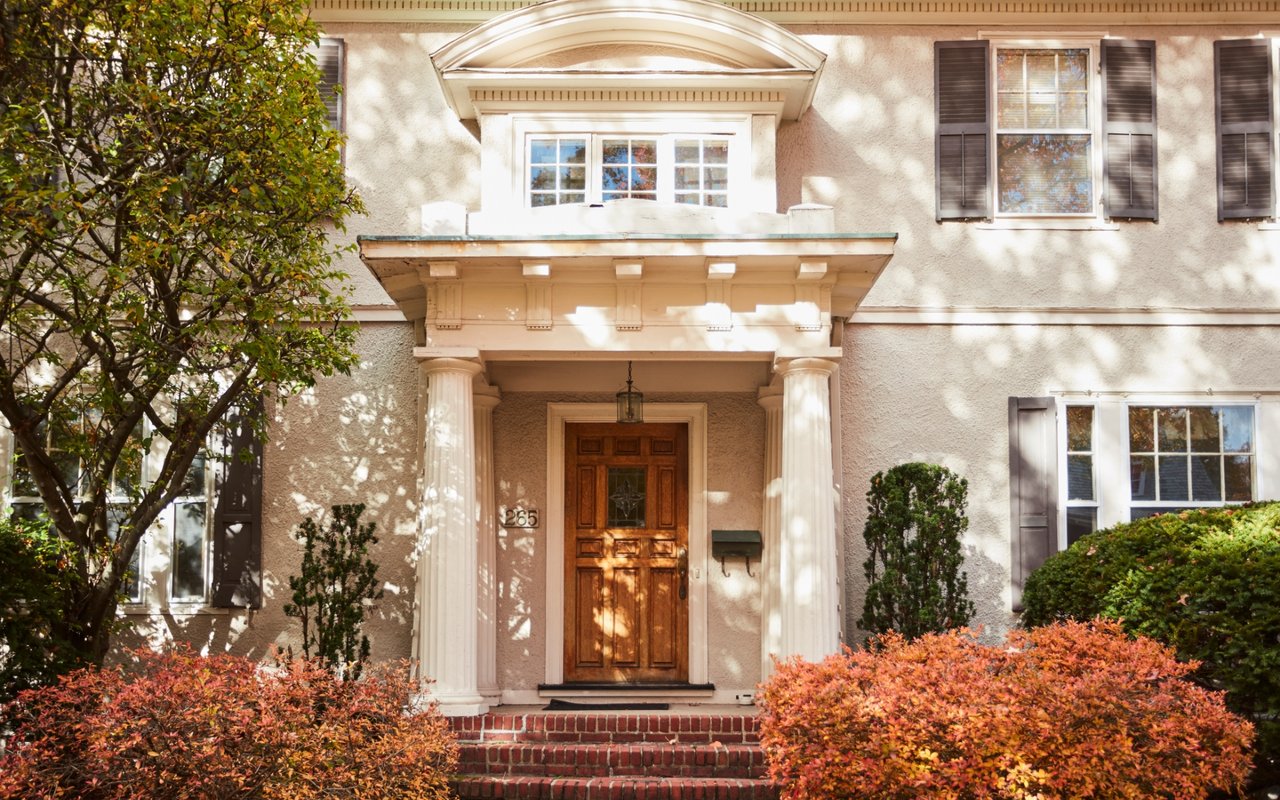
Waban consistently commands the city's highest prices per square foot. Streets like Beacon Street and Maugus Avenue in Waban offer large lots, exceptional privacy, and some of Newton's finest Colonial Revival and Tudor Revival architecture. The village's proximity to both the Green Line and the Webster Conservation Area makes it the most sought-after address for buyers who want genuine green space without sacrificing transit access.
Newton Centre's Centre Street corridor and the surrounding streets — particularly Beal Road and Valentine Road — represent the city's most walkable luxury living. Properties here put residents within walking distance of the best dining, the Green Line, Crystal Lake, and the Olmsted-designed Newton Centre Playground.
Chestnut Hill, straddling the Newton-Brookline border, is home to some of the most significant estate properties in the entire region. Properties along Hammond Pond Parkway and Chestnut Street routinely list above $3M and represent a different class of home entirely — stone construction, carriage houses, formal gardens, and views over the reservoir.
Commonwealth Avenue through Newton carries historical and aesthetic prestige as one of the great Olmsted-designed parkways in New England. Properties lining "Comm Ave" between Newton Corner and Newton Centre benefit from that address recognition while sitting directly on Heartbreak Hill — a Boston Marathon landmark.
At its core, Newton offers something that has become increasingly rare in American suburban life: a place where the quality of the public realm matches the quality of private life. The schools are excellent, the parks are genuinely beautiful, the architecture has been preserved with care, and the transit connections make urban mobility possible without sacrificing residential character.
People who move to Newton tend to stay. The combination of village-scale community identity, walkable amenities, and proximity to Boston creates a quality of life that is difficult to replicate elsewhere at any price. Families come for the schools and discover that the parks, the restaurants, the coffee shops, and the civic culture make Newton a place they genuinely want to inhabit rather than merely reside in.
Newton is not perfect — the housing costs are formidable, the parking restrictions are unforgiving, and the community's civic engagement, while admirable, means nothing happens quickly or without debate. But for the buyers and residents who call it home, those trade-offs are not frustrations. They are features.
This is a city that takes itself seriously. And for the people who belong here, that is exactly the point.
Navigating Newton's market — with its village-specific dynamics, its competitive bidding environment, and its intricate zoning and school boundary considerations — requires more than market knowledge. It requires local fluency.
The Muncey Group brings precisely that. As specialists in Newton and the broader Greater Boston real estate market, the Muncey Group combines deep neighborhood expertise with a strategic, client-first approach that cuts through complexity and positions buyers and sellers for the best possible outcome. Whether you are identifying which village fits your lifestyle, structuring an offer in a competitive multi-bid scenario, or preparing a Newton home for the spring market with the staging and pricing strategy it deserves, the Muncey Group's knowledge of this city is unmatched. Reach out today to begin the conversation — because in a market that moves this fast, the right guidance from the first call makes all the difference.
There's plenty to do around Newton, including shopping, dining, nightlife, parks, and more. Data provided by Walk Score and Yelp.
Explore popular things to do in the area, including Seattle's Best Coffee, Poley Karen MD, and Kolarik Karen Chiropctr.
| Name | Category | Distance | Reviews |
Ratings by
Yelp
|
|---|---|---|---|---|
| Dining | 0.69 miles | 0 reviews | 0/5 stars | |
| Active | 0.15 miles | 0 reviews | 0/5 stars | |
| Active | 0.65 miles | 0 reviews | 0/5 stars | |
| Active | 0.69 miles | 0 reviews | 0/5 stars | |
| Active | 0.69 miles | 0 reviews | 0/5 stars | |
| Active | 0.71 miles | 0 reviews | 0/5 stars | |
| Active | 0.73 miles | 0 reviews | 0/5 stars | |
| Active | 0.78 miles | 0 reviews | 0/5 stars | |
| Active | 0.78 miles | 0 reviews | 0/5 stars | |
| Active | 0.78 miles | 0 reviews | 0/5 stars | |
| Active | 0.84 miles | 0 reviews | 0/5 stars | |
| Active | 0.97 miles | 0 reviews | 0/5 stars | |
| Active | 1.05 miles | 0 reviews | 0/5 stars | |
| Active | 1.24 miles | 0 reviews | 0/5 stars | |
| Active | 1.31 miles | 0 reviews | 0/5 stars | |
| Active | 1.33 miles | 0 reviews | 0/5 stars | |
| Active | 1.35 miles | 0 reviews | 0/5 stars | |
| Active | 1.38 miles | 1 review | 1/5 stars | |
| Beauty | 0.08 miles | 0 reviews | 0/5 stars | |
| Beauty | 0.85 miles | 0 reviews | 0/5 stars | |
| Beauty | 0.86 miles | 0 reviews | 0/5 stars | |
| Beauty | 1.19 miles | 0 reviews | 0/5 stars | |
| Beauty | 1.28 miles | 18 reviews | 2.9/5 stars | |
| Beauty | 1.41 miles | 0 reviews | 0/5 stars | |
|
|
||||
|
|
||||
|
|
||||
|
|
||||
|
|
||||
|
|
Newton has 31,730 households, with an average household size of 2.59. Data provided by the U.S. Census Bureau. Here’s what the people living in Newton do for work — and how long it takes them to get there. Data provided by the U.S. Census Bureau. 88,504 people call Newton home. The population density is 4,964 and the largest age group is Data provided by the U.S. Census Bureau.
Total Population
Population Density Population Density This is the number of people per square mile in a neighborhood.
Median Age
Men vs Women
Population by Age Group
0-9 Years
10-17 Years
18-24 Years
25-64 Years
65-74 Years
75+ Years
Education Level
Total Households
Average Household Size
Average individual Income
Households with Children
With Children:
Without Children:
Blue vs White Collar Workers
Blue Collar:
White Collar:
Office
20 Birch St
Roslindale, MA 02131
Compass Office
1330 Boylston St 2nd Fl
Chestnut Hill, MA 02467
Office
20 Birch St
Roslindale, MA 02131
Compass Office
1330 Boylston St 2nd Fl
Chestnut Hill, MA 02467