Dedham Homes for Sale & Neighborhood Real Estate
A historic town with a motto of "Contentment".
25,109 people live in Dedham, where the median age is 43.5 and the average individual income is $67,595. Data provided by the U.S. Census Bureau.
Total Population
Median Age
Population Density
Average individual Income
Dedham, Massachusetts is one of those rare places where genuine history and everyday livability exist in the same zip code without one undercutting the other. It carries the quiet confidence of a town that has been around long enough to know exactly what it is — and what it isn't. You won't find the frantic energy of Boston's inner neighborhoods here, nor the sterile anonymity of some outer suburbs. What you'll find instead is a community with deep institutional roots, beautifully maintained streetscapes, and a strong sense of place.
The town sits about ten miles southwest of downtown Boston, positioned at the natural seam between the city's urban fabric and Norfolk County's more relaxed, leafy suburbs. Its residents are an eclectic but cohesive mix: Boston professionals who want more square footage without sacrificing commute times, multigenerational families who've been in town for decades, and younger buyers drawn in by the school system and the still-attainable (by Greater Boston standards) price points. The vibe is grounded and neighborly. People here identify fiercely by sub-neighborhood — ask someone where they live and they'll tell you Riverdale, The Village, Oakdale, or Greenlodge before they ever say "Dedham."
What makes Dedham particularly appealing is its layering. Within a ten-minute drive, you can walk cobblestone-adjacent streets around Dedham Square, grab dinner at an upscale steakhouse at Legacy Place, kayak on the Charles River, and still be at South Station by 8:00 AM. That kind of range is rare, and residents know it.
Dedham's story begins in 1636, making it one of the earliest English settlements in Massachusetts and, by extension, in the American colonies. It was founded by settlers from Watertown and Roxbury with an unusual vision for its time: a deliberately designed agricultural community built around cooperation and self-sufficiency. That founding DNA — civic-minded, orderly, invested in shared institutions — still echoes in the way the town operates today.
The scope of Dedham's original land grant was immense, and over time it became the literal parent of more than a dozen surrounding towns, including Medfield, Needham, and Bellingham. This is why it carries the title "Mother of Towns." Two other early distinctions cement its place in American civic history: the Fairbanks House, built in 1637, is the oldest surviving timber-frame structure in North America, and in 1644, Dedham established what is recognized as the first tax-supported public school in the country — a foundational act in the development of American public education.
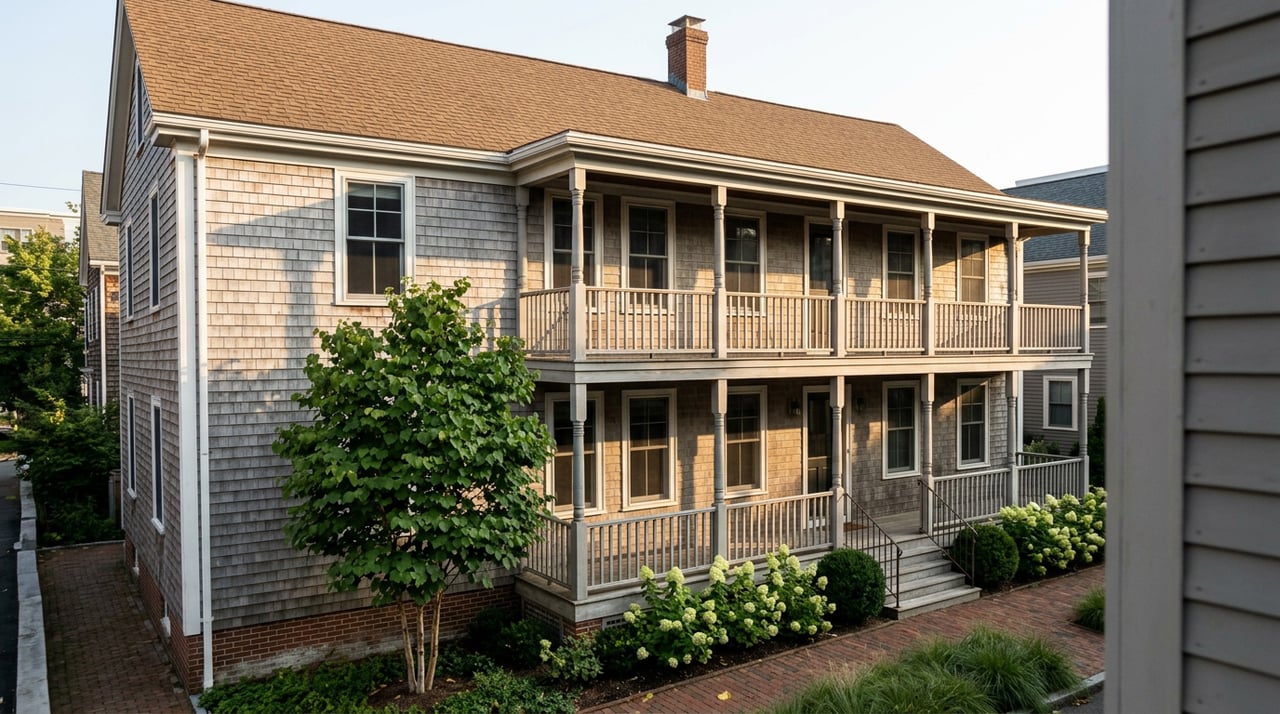
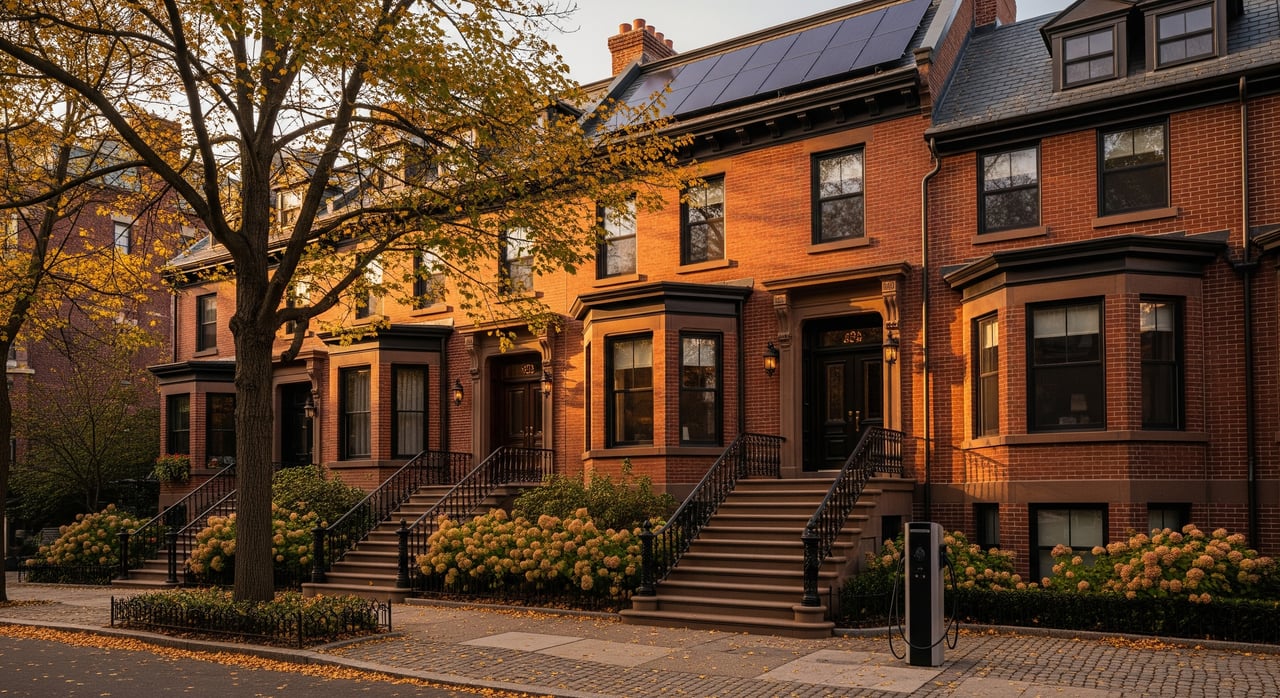
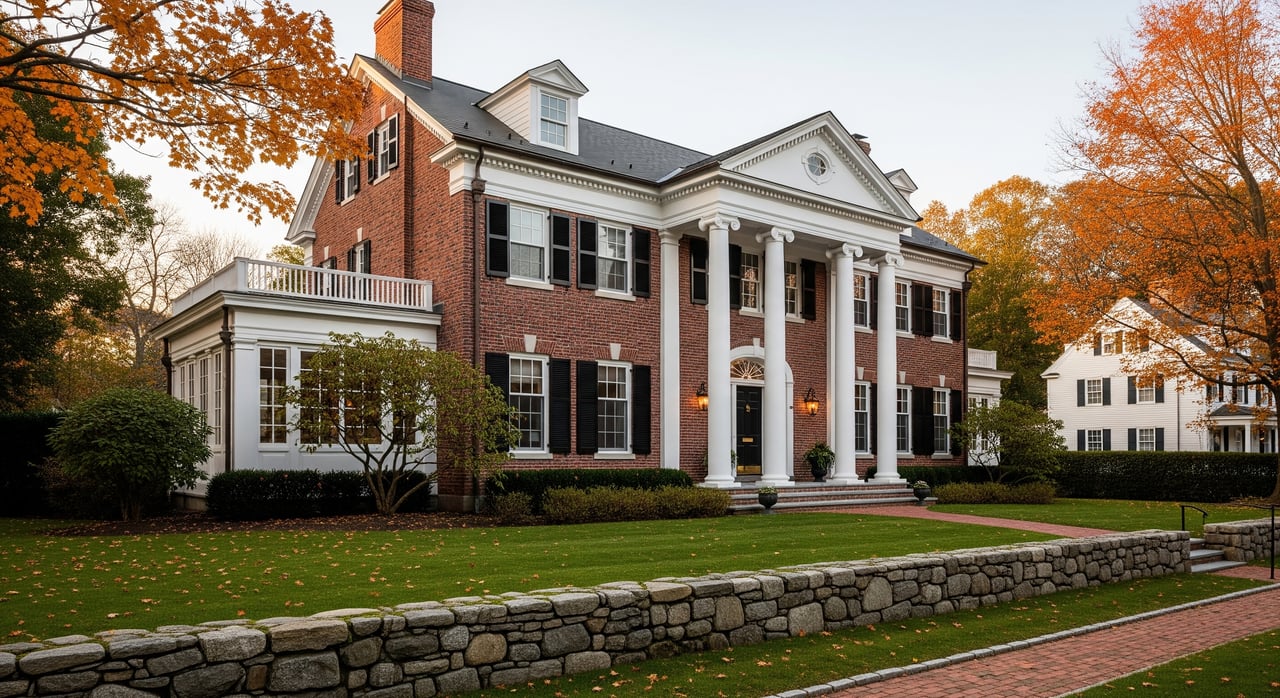
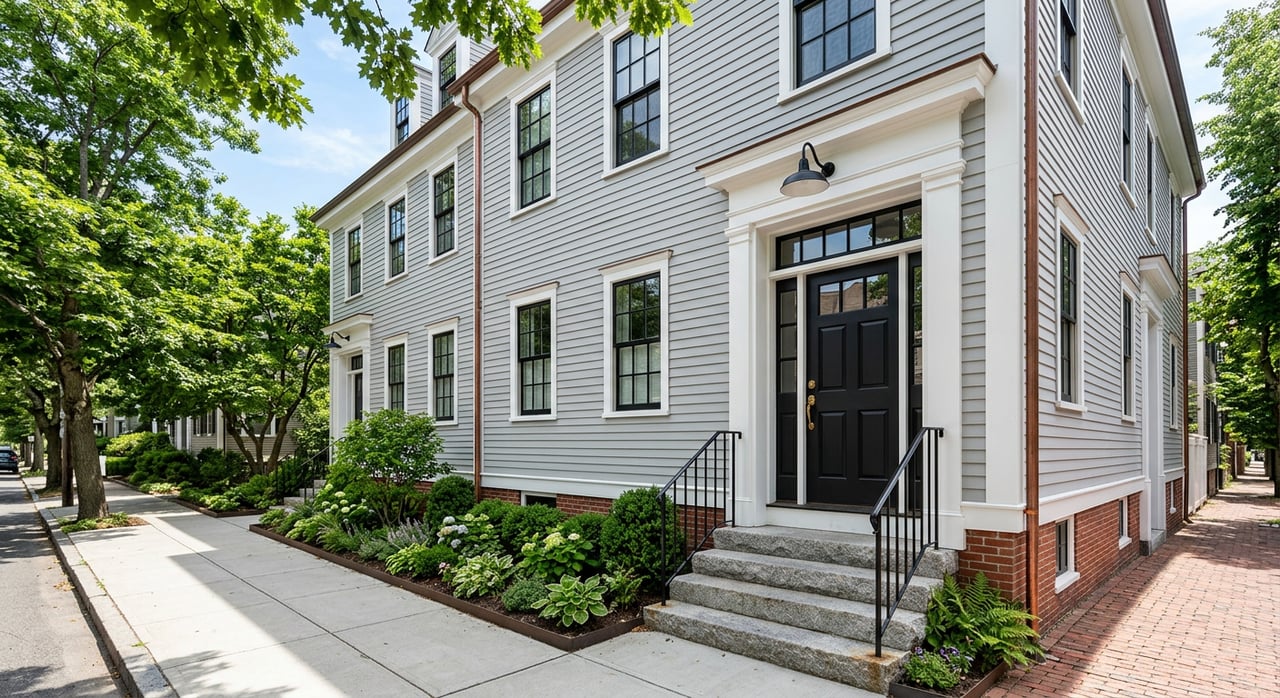
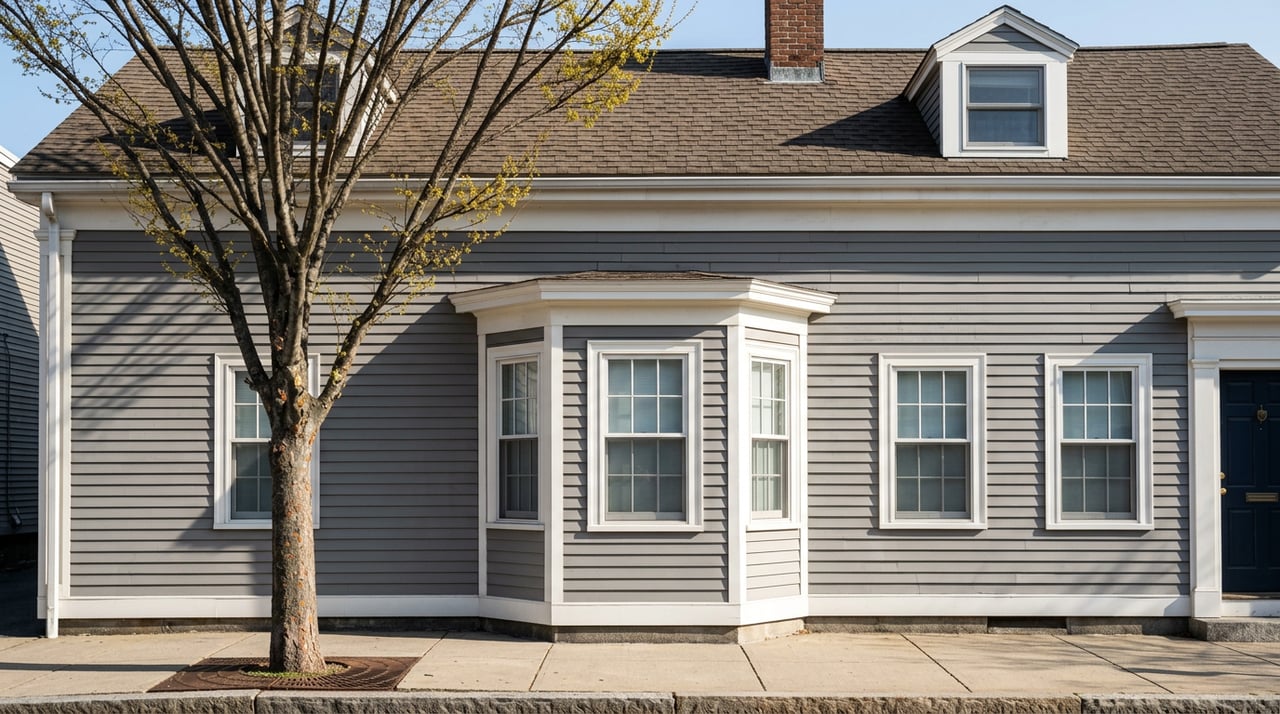
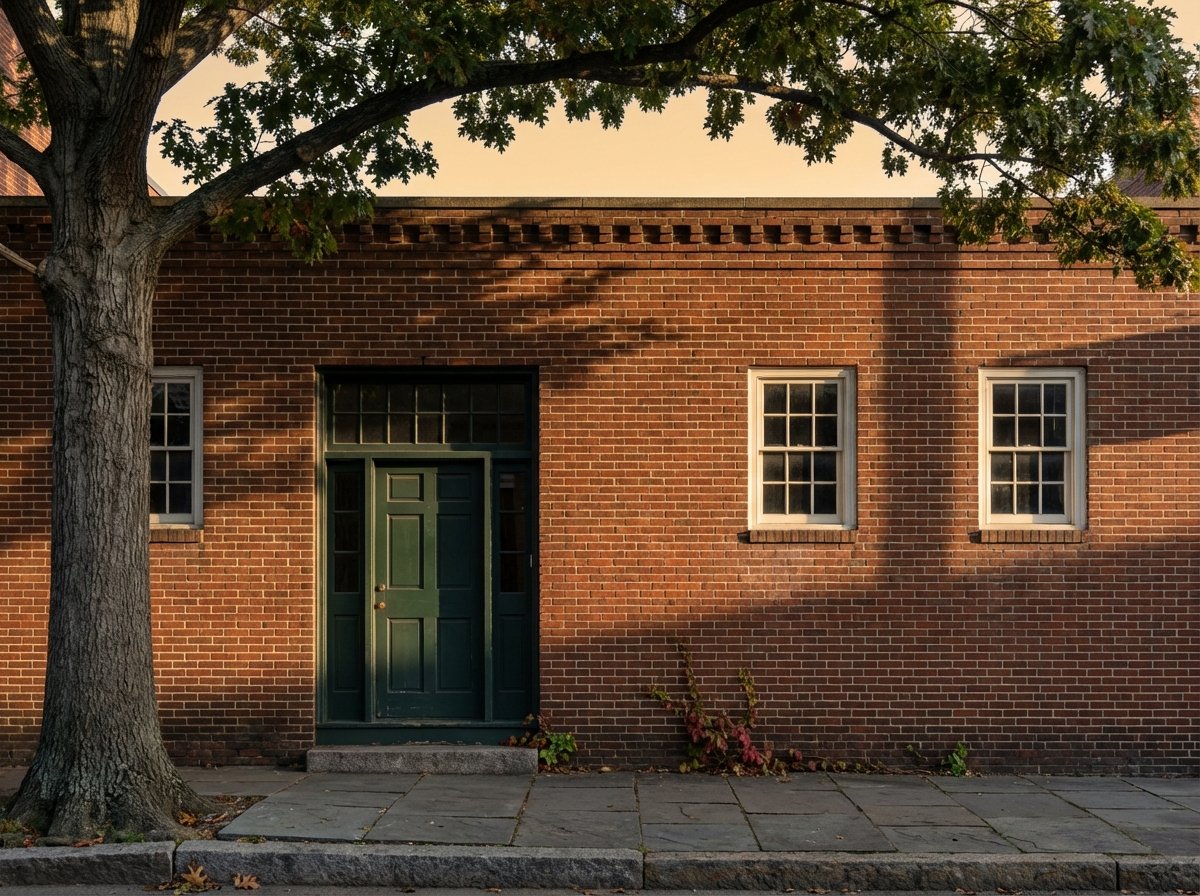
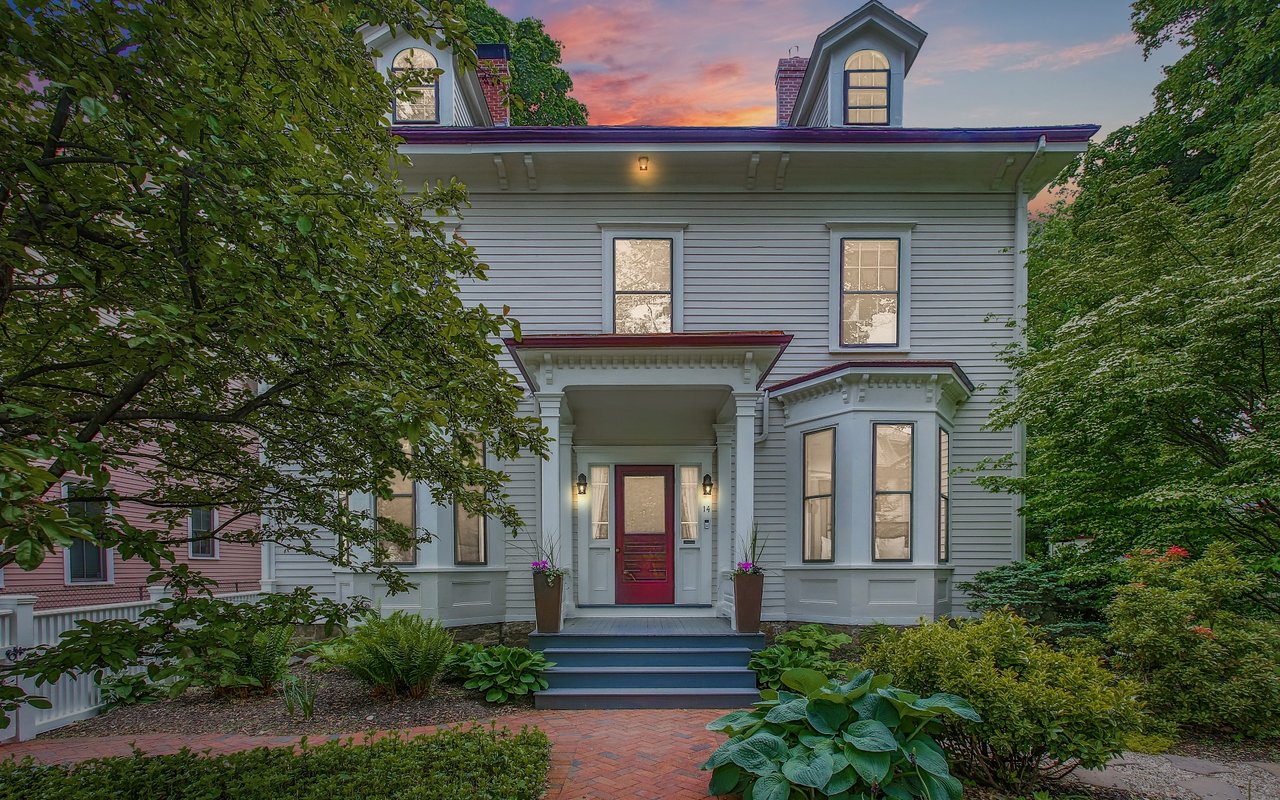
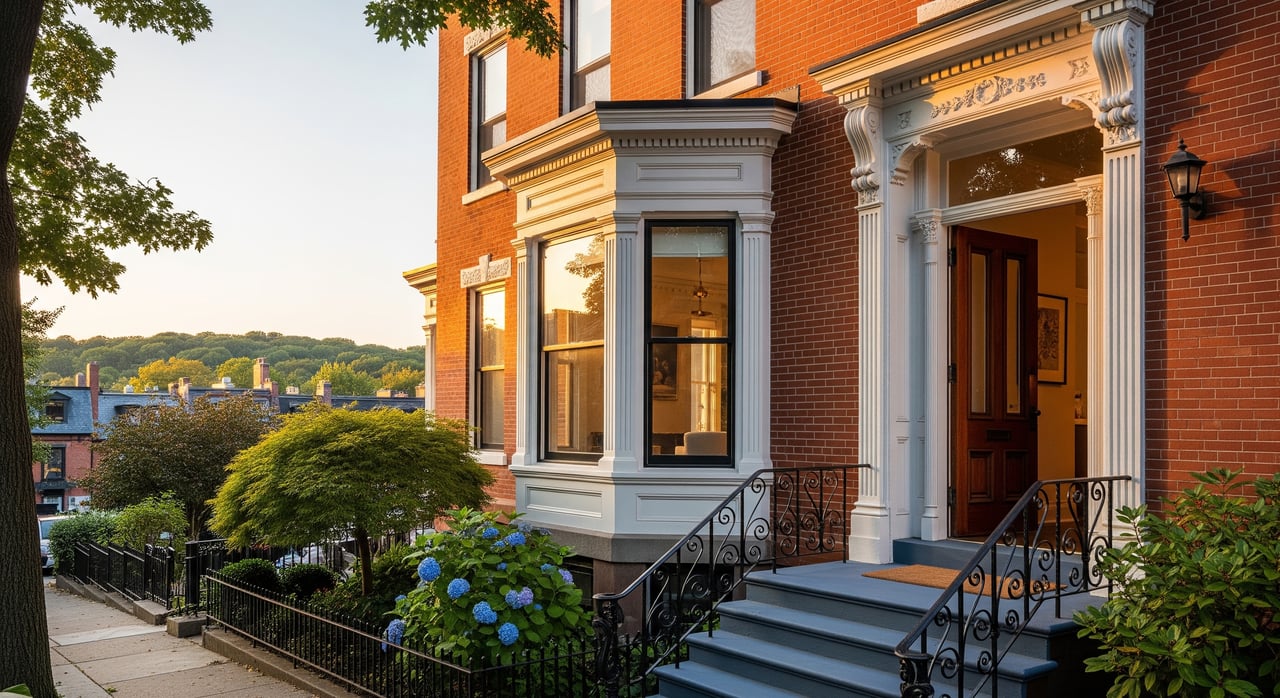
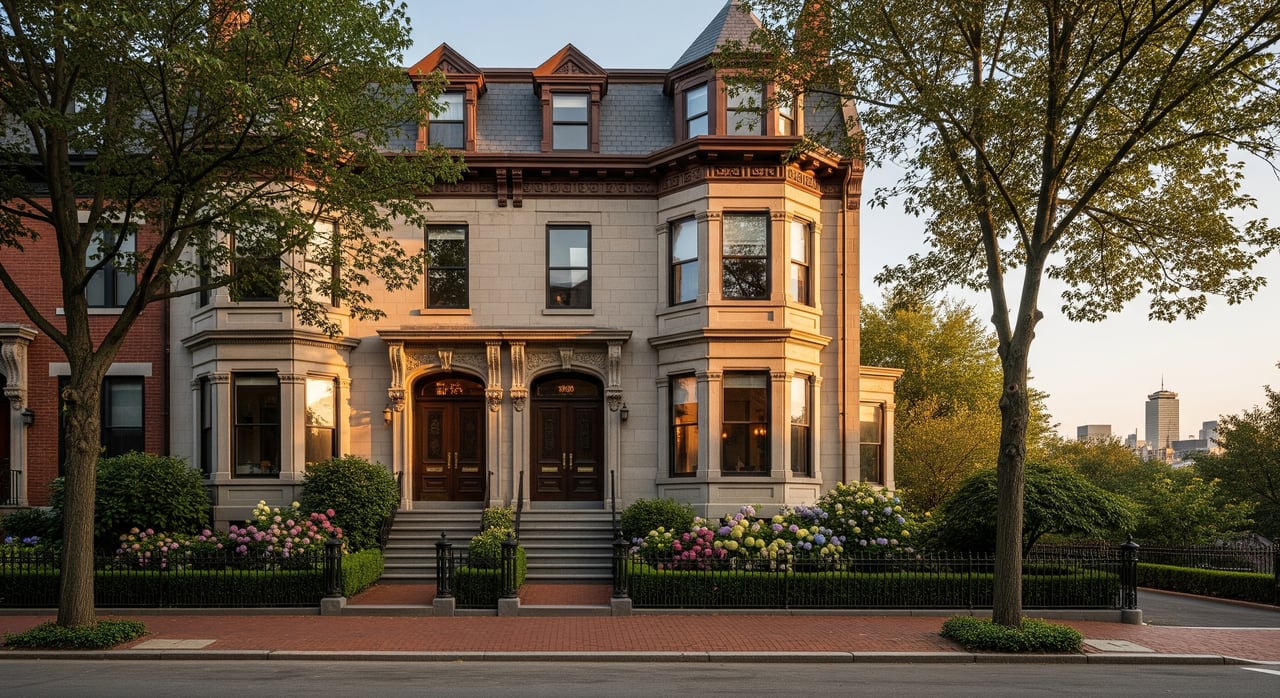
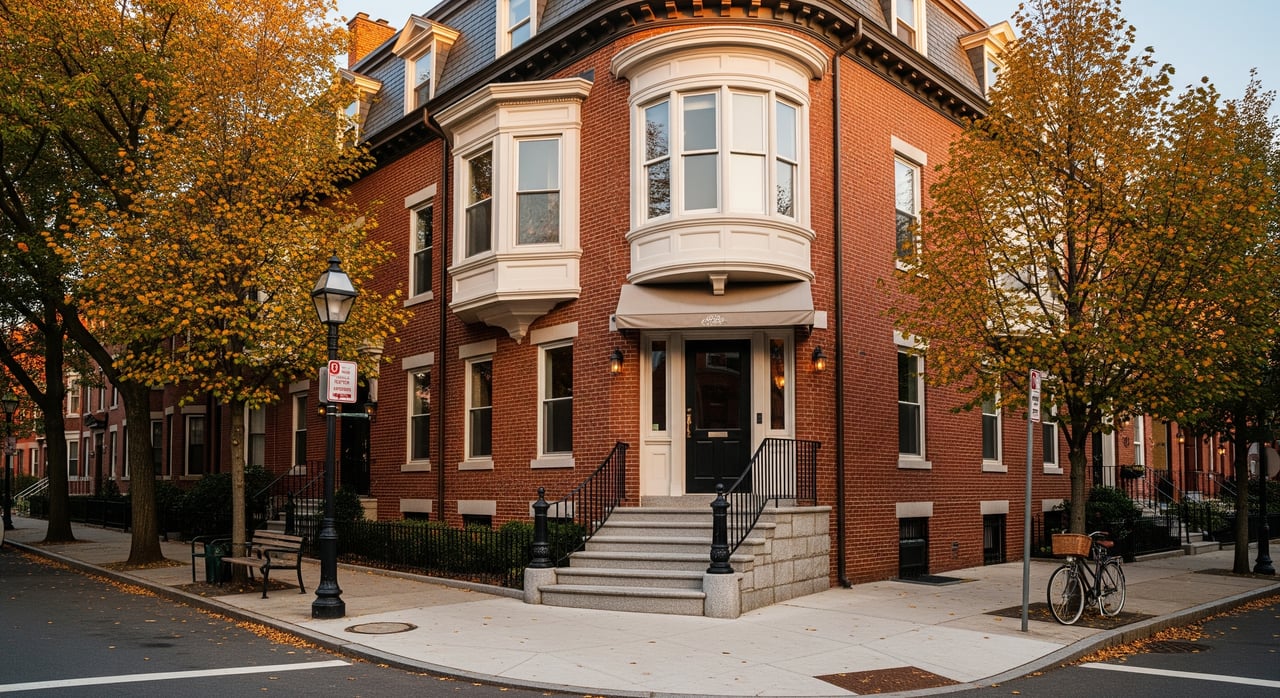
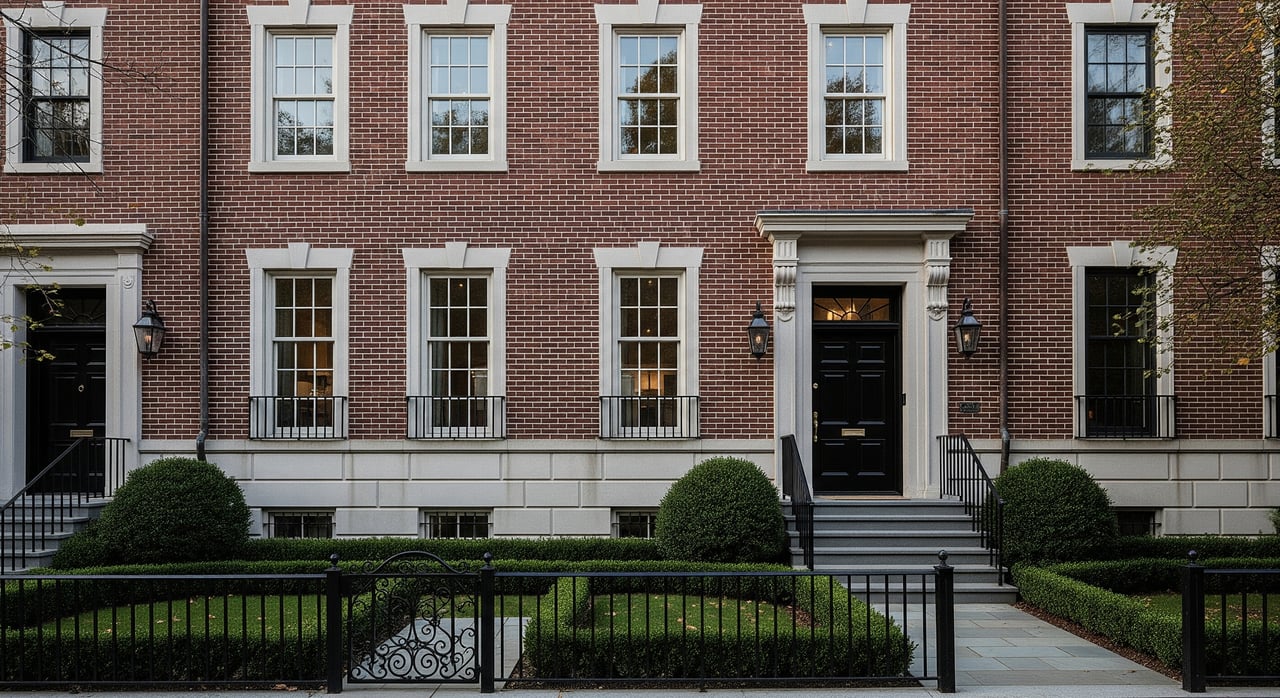
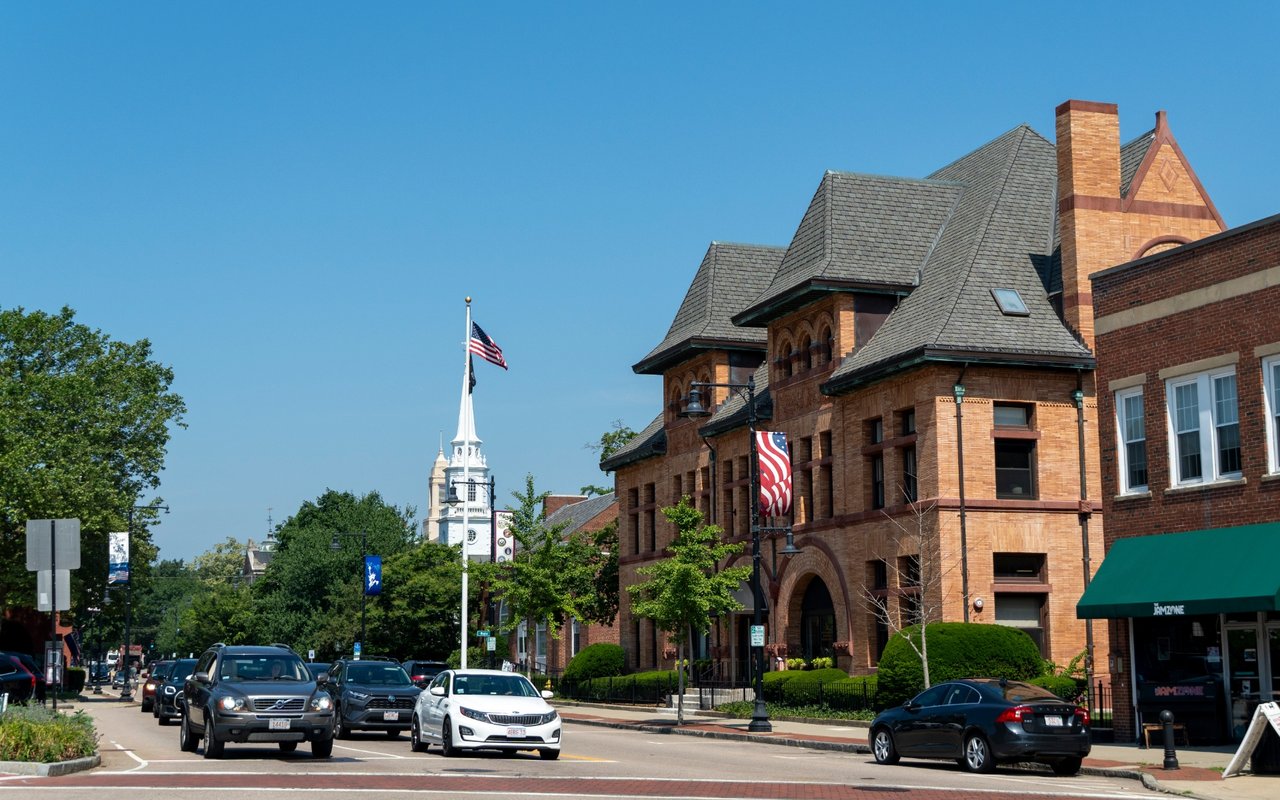
Architecturally, the town is a walk through American building history. Dedham Village preserves a remarkable collection of Federal and Greek Revival structures from the late 18th and early 19th centuries, reflecting its former status as the county seat of Norfolk County. As industrialization arrived, the town's greatest engineering asset — Mother Brook, the first man-made canal in English America, connecting the Charles River to the Neponset River — powered a network of wool and cotton mills. This industrial era gave rise to the brick mill buildings and worker housing that still define East Dedham's more utilitarian character today.
The 20th century brought suburban expansion following World War II, and the opening of Legacy Place in the early 2000s transformed the Route 1 corridor into a major regional commercial hub. Far from erasing the town's character, this modernization layer simply added another dimension to an already complex urban fabric. Today, Dedham manages that tension between preservation and progress with notable competence.
Dedham occupies a strategic position at the southern edge of the Greater Boston metro, functioning as what urban planners might call a "first-ring" suburb — close enough to the city to retain genuine access, far enough to offer breathing room. Downtown Boston is approximately 10 miles to the northeast.
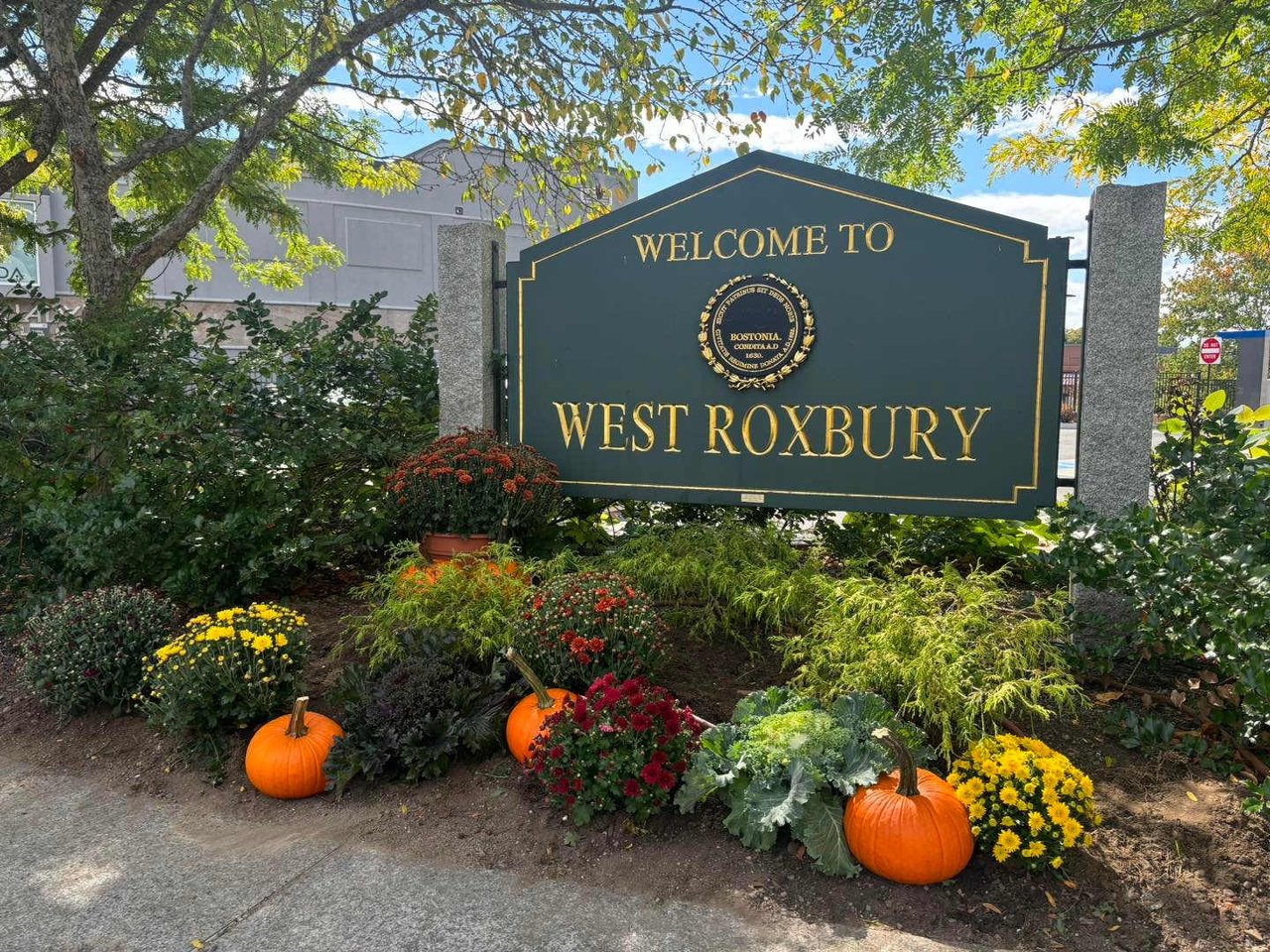
Its borders are well-defined and instructive about its character. To the north lies West Roxbury, one of Boston's own neighborhoods, meaning Dedham's northern edge is effectively urban. To the east are Milton and Readville. Westwood and Canton border it to the south, and Needham sits to the west. The town is essentially cradled between the Route 128 (I-95) corridor and Route 1 — two of the most significant transit arteries in the region — which gives it a logistical advantage that most comparable towns cannot match.
Physically, the landscape is shaped by water. The Charles River meanders along the northern border, contributing wetland buffers, scenic greenways, and recreational corridors. Mother Brook bisects the town, and the combination of these two waterways means that low-lying areas near the riverbeds are notably flat — a consideration for buyers conscious of flood risk. Elevation increases gradually as you move toward residential neighborhoods in the interior, where gentle rolling hills provide more topographic variety.
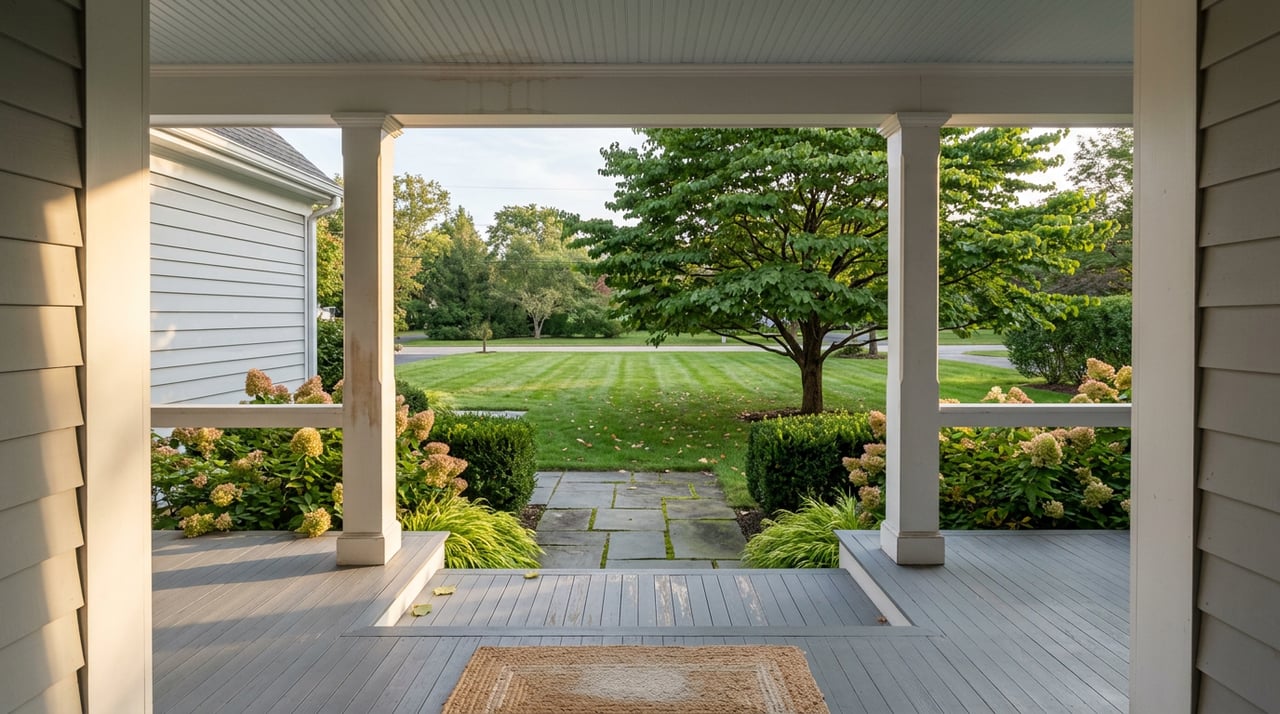
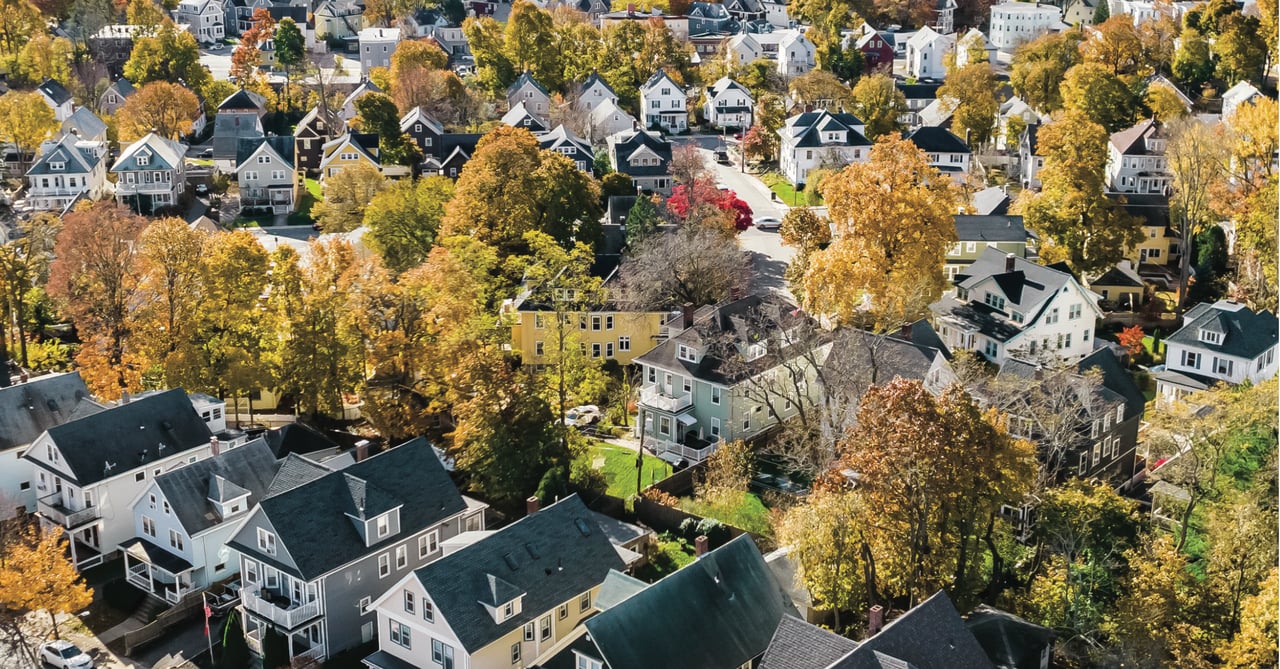
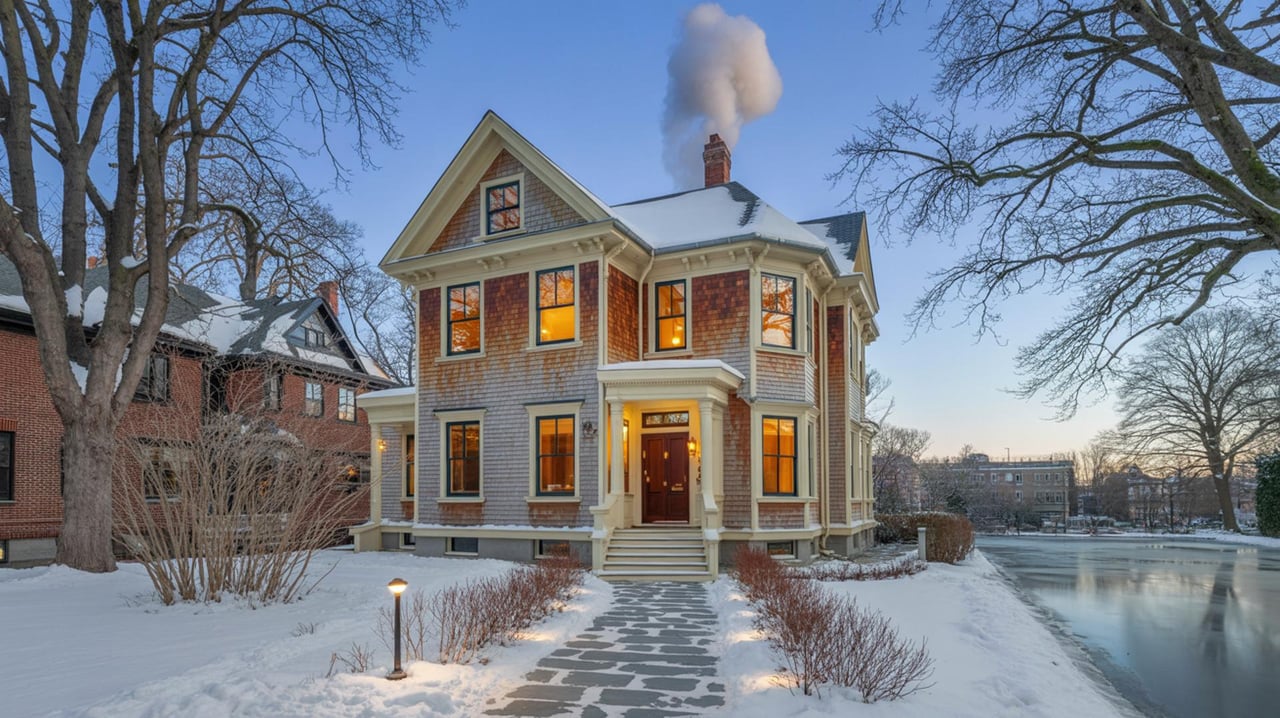
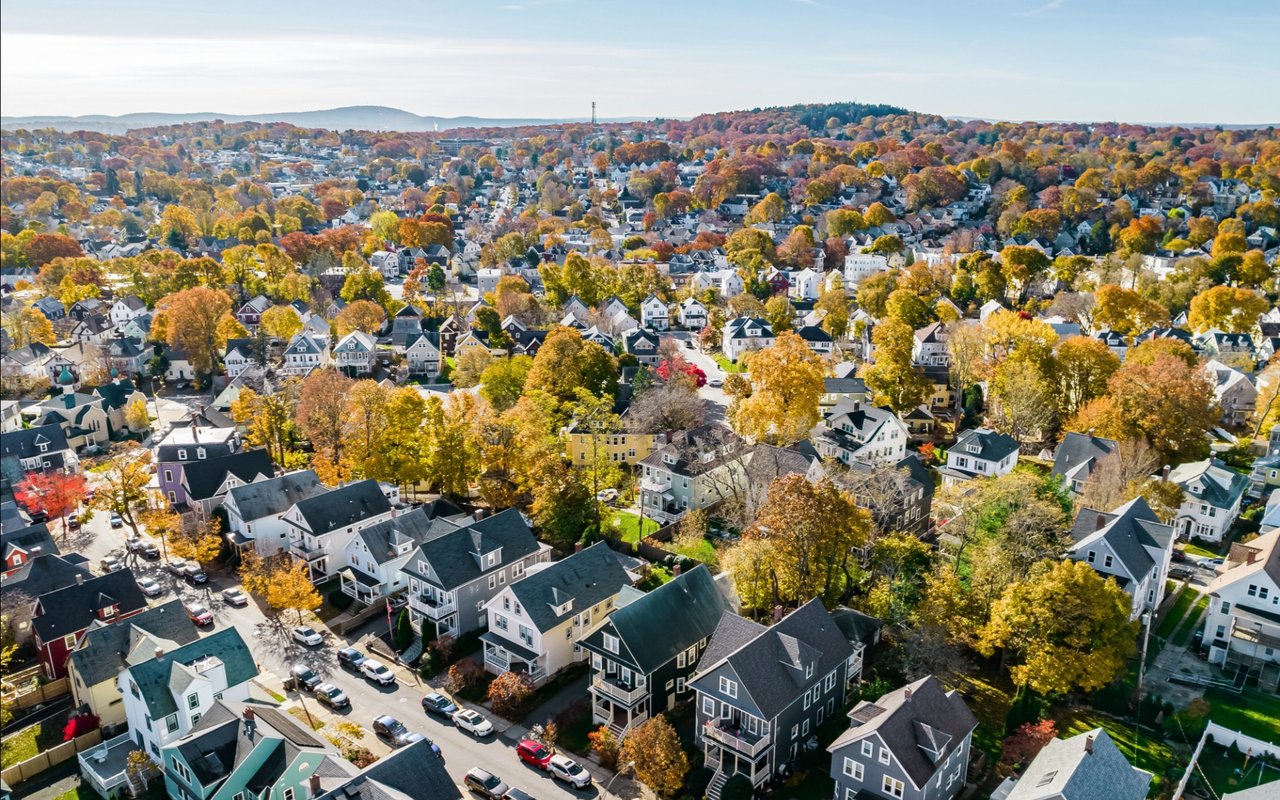
Climatically, Dedham sits firmly in the Humid Continental zone. Winters are genuinely cold, regularly reaching -1°C to -6°C with meaningful snowfall. Summers are warm and occasionally humid, peaking around 28°C. One particularly appealing seasonal phenomenon is the town's autumn transformation — its dense canopy of deciduous trees produces the kind of foliage display that makes New England famous in October, and Dedham is consistently beautiful during this period.
As of early 2026, Dedham's housing market remains firmly in seller's market territory, though the tempo has moderated considerably from the near-frantic pace of 2022 and 2023. The key shift is that buyers have regained some leverage — they are more deliberate, more selective, and far less likely to waive contingencies than they were two years ago. Sellers who recognize this recalibration will fare best.
The average home value in Dedham currently sits at approximately $738,000, reflecting a modest year-over-year appreciation of about 1.1%. In higher-demand pockets like Dedham Village, median list prices approach $1,032,500. The spread between those two figures tells an important story: Dedham is not a monolithic market. Where you buy matters enormously.
Inventory remains tight by historical standards — typically only 32 to 35 active listings at any given time — but it is recovering slowly from pandemic-era lows. This constrained supply continues to act as a price floor, providing a structural buffer against the price softening seen in other metros. The average days on market has expanded significantly, now ranging from 37 to 60 days, compared to a 16-day average in peak years. This is not a sign of weakness so much as a return to rational market behavior.
For buyers, this means that well-priced, well-presented homes still attract multiple offers and frequently close 2–9% above list price. For sellers, it means that overpricing is the single most dangerous strategic error — a home that sits for 60+ days in this market accrues the stigma of stagnation, which almost invariably requires price reductions to overcome. The market rewards precision above all else.
Dedham's housing stock is genuinely diverse, spanning nearly four centuries of American residential architecture. That range is one of its most appealing characteristics.
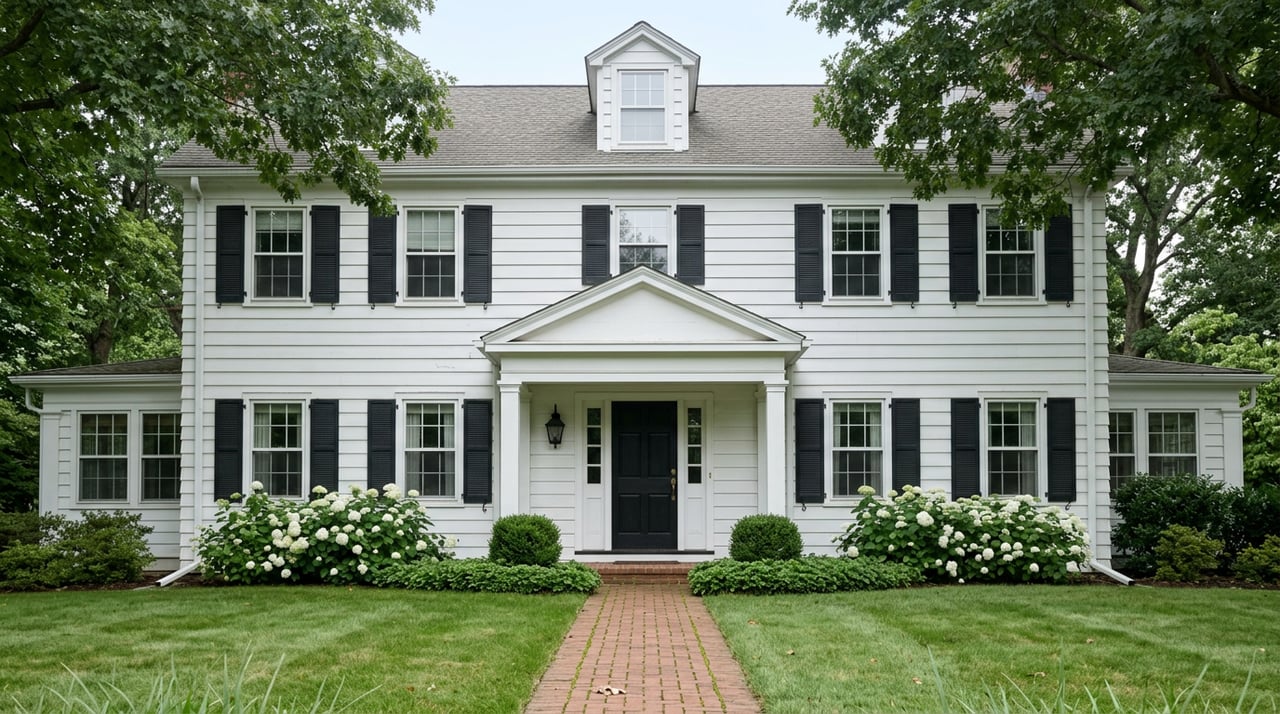
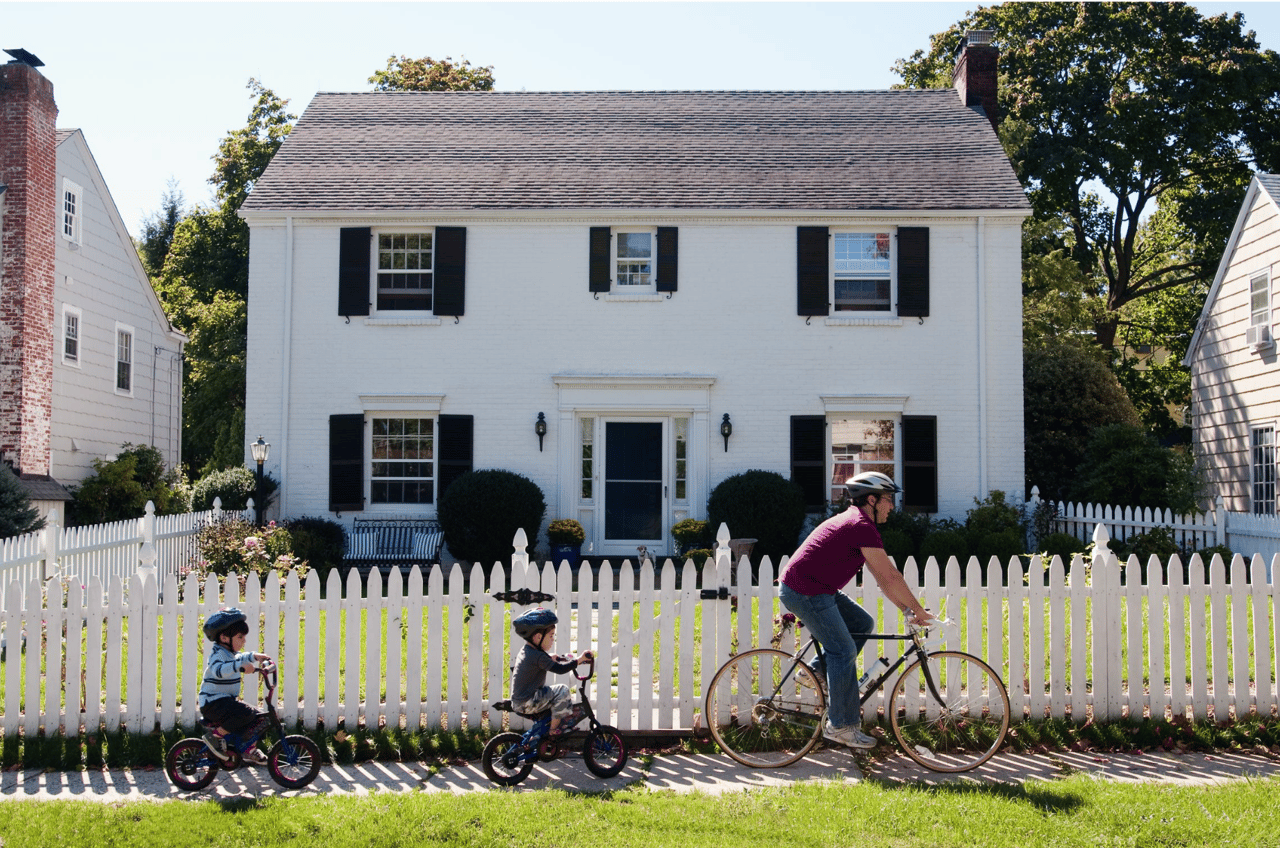
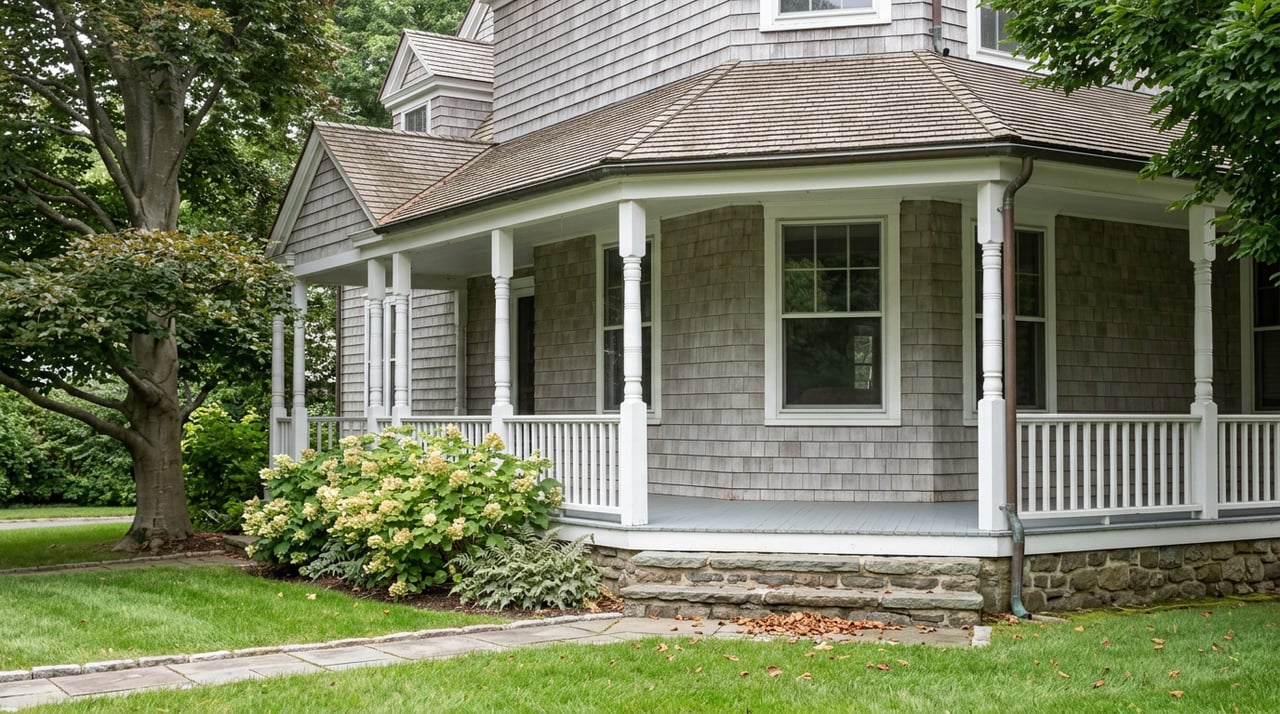
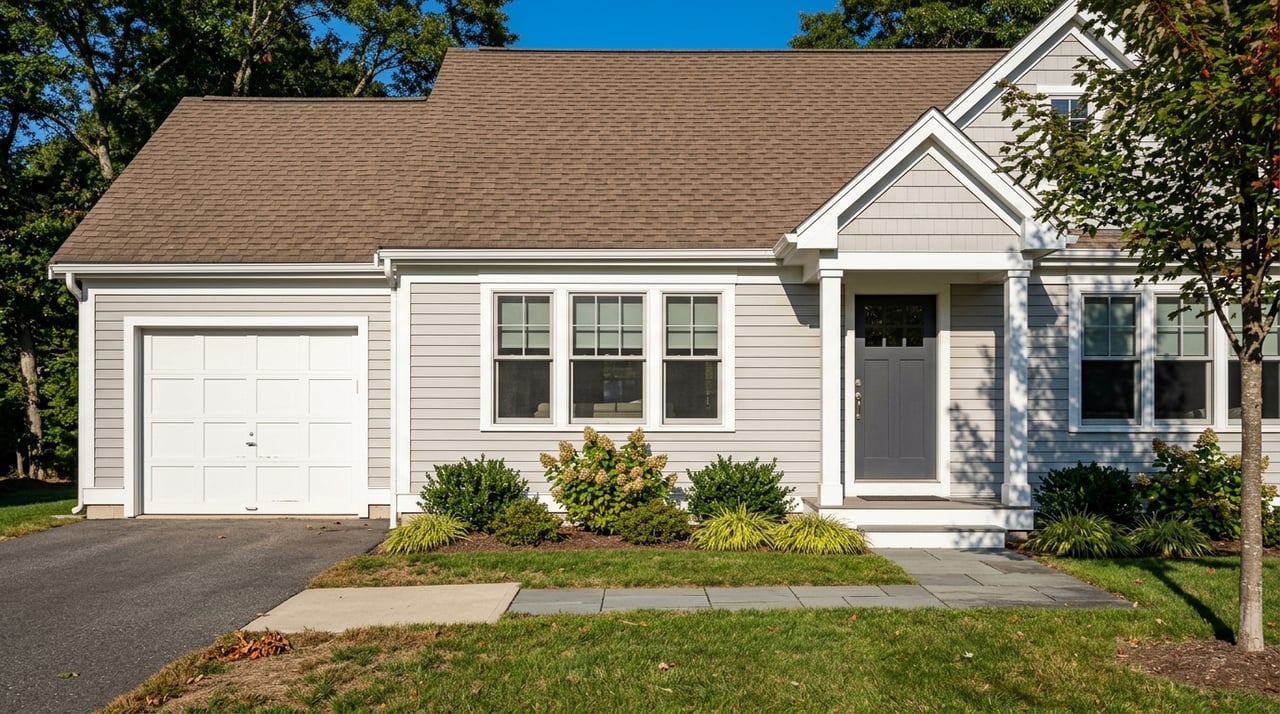
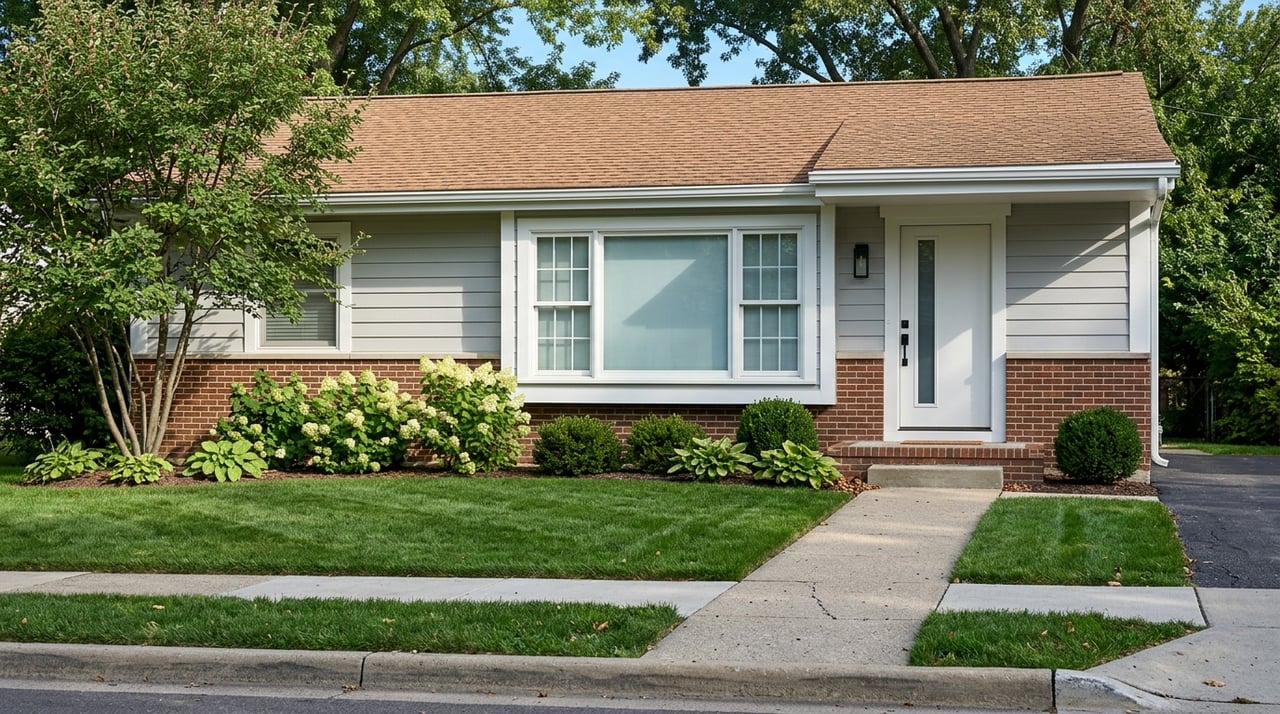
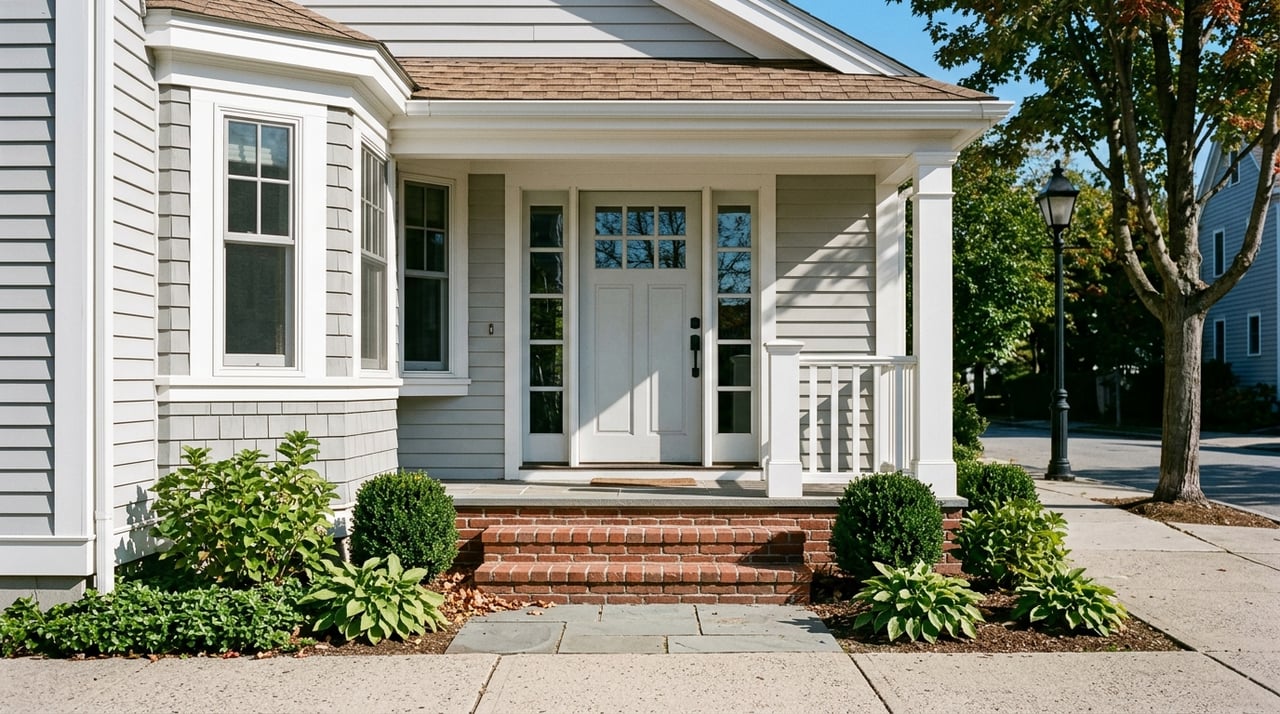
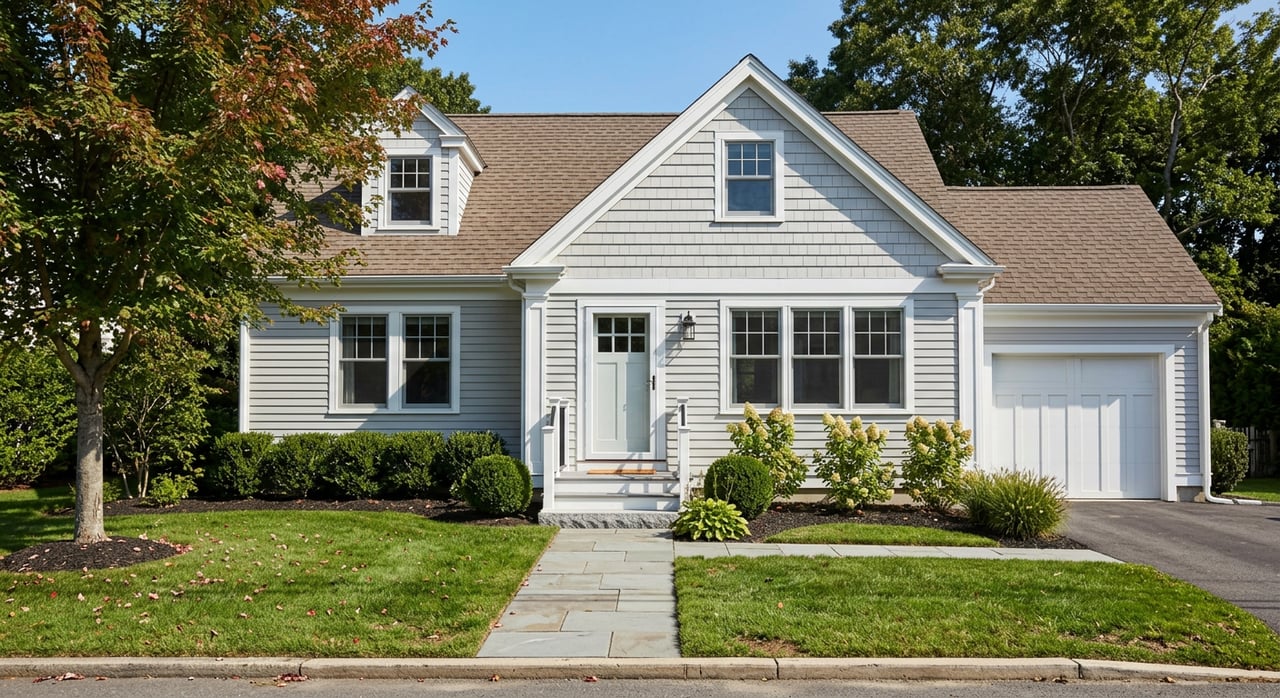
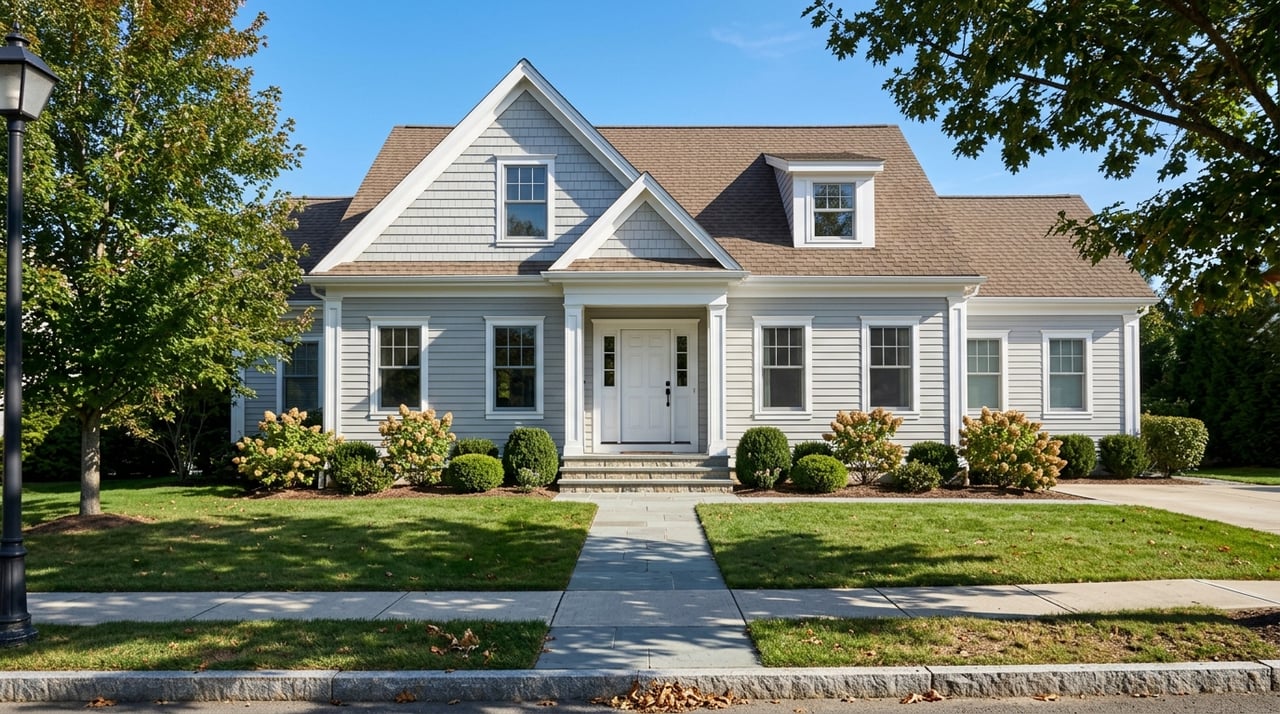
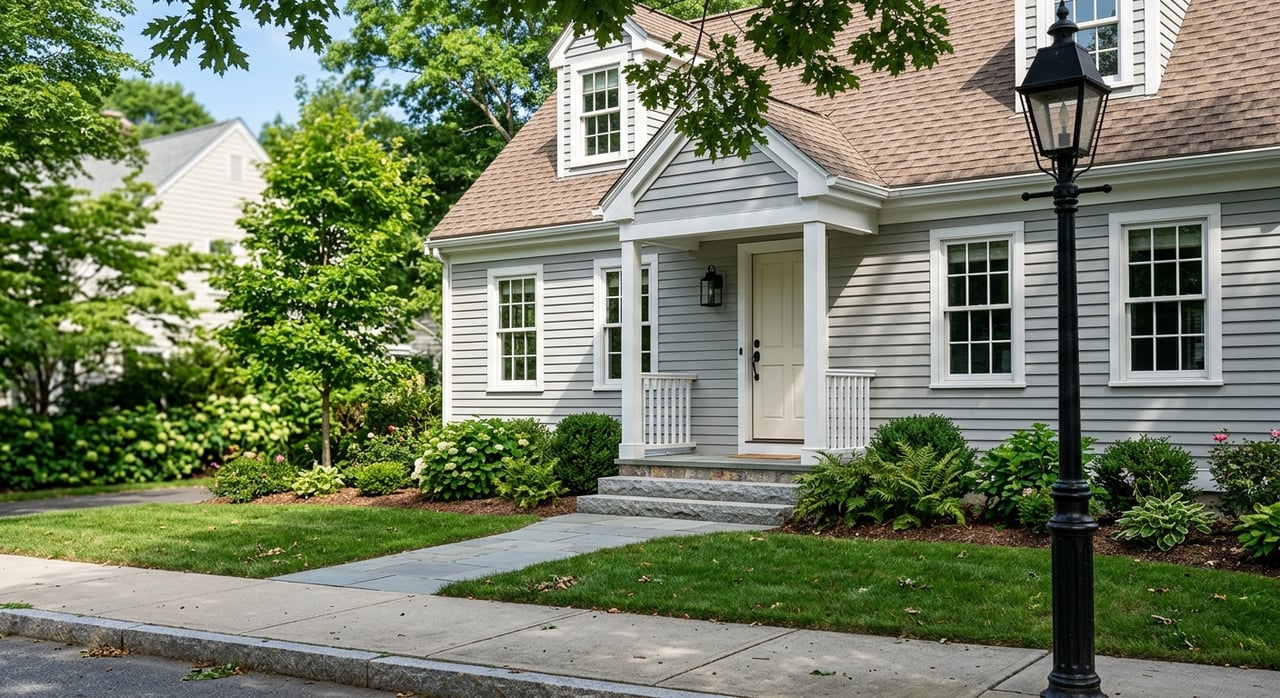
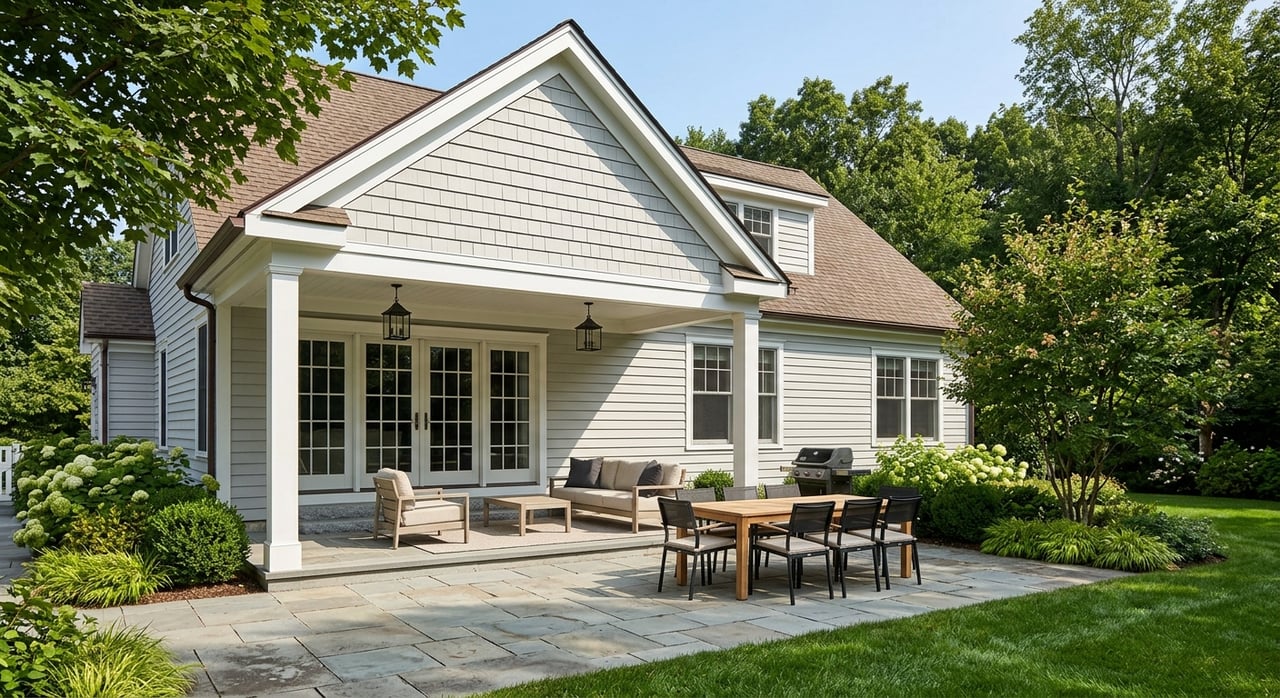
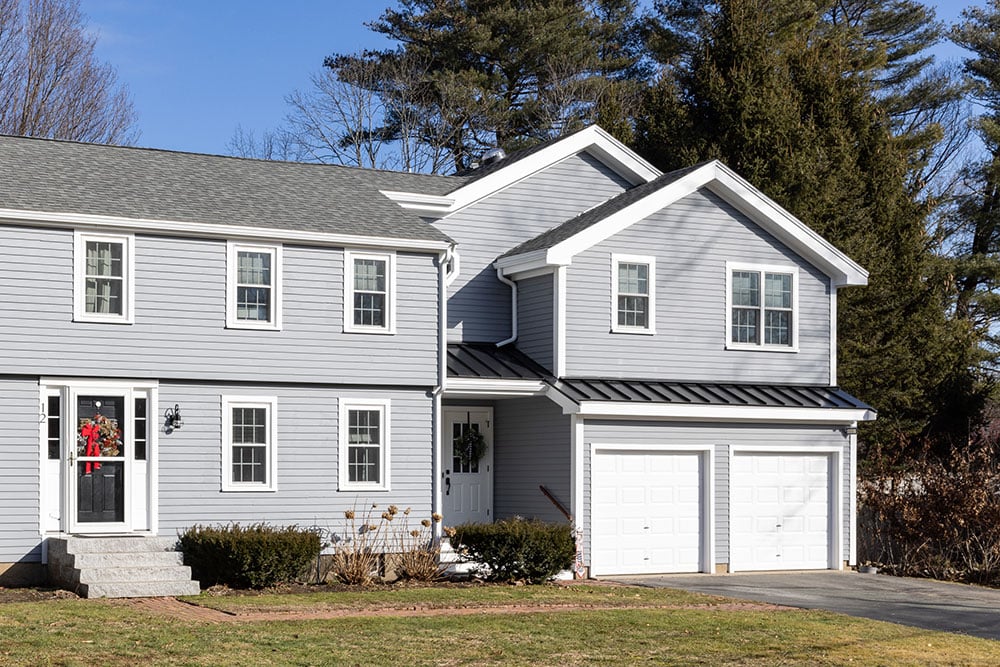
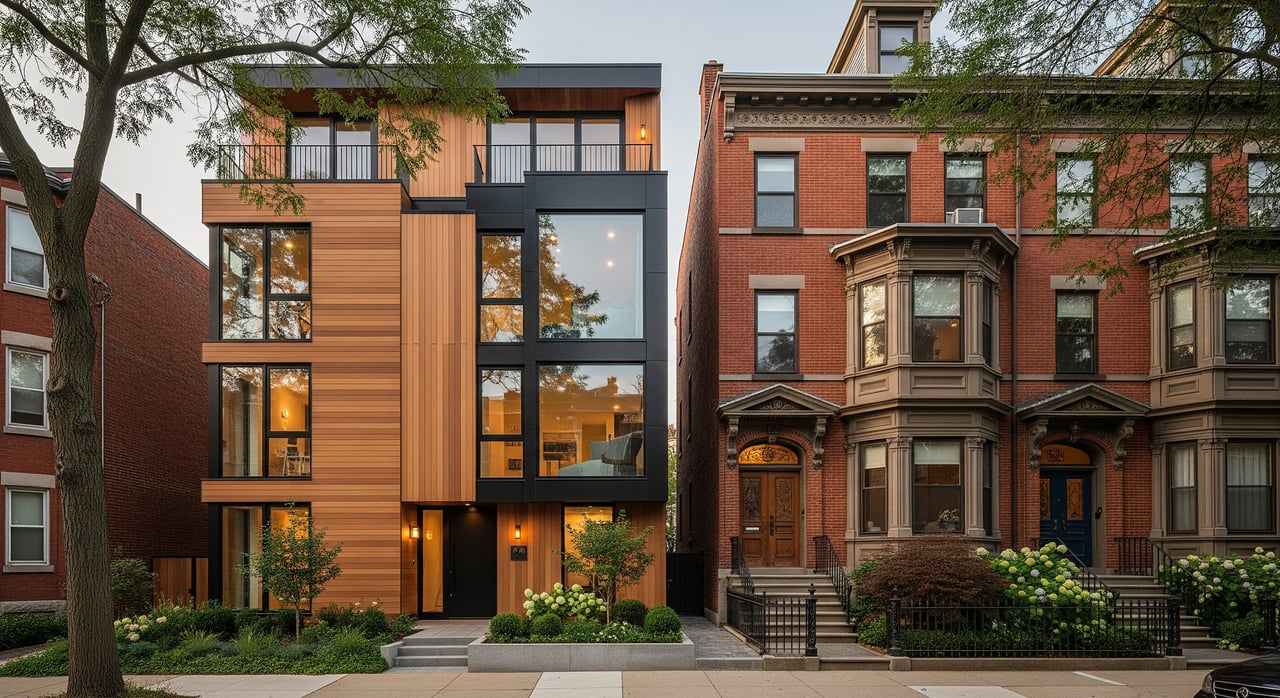
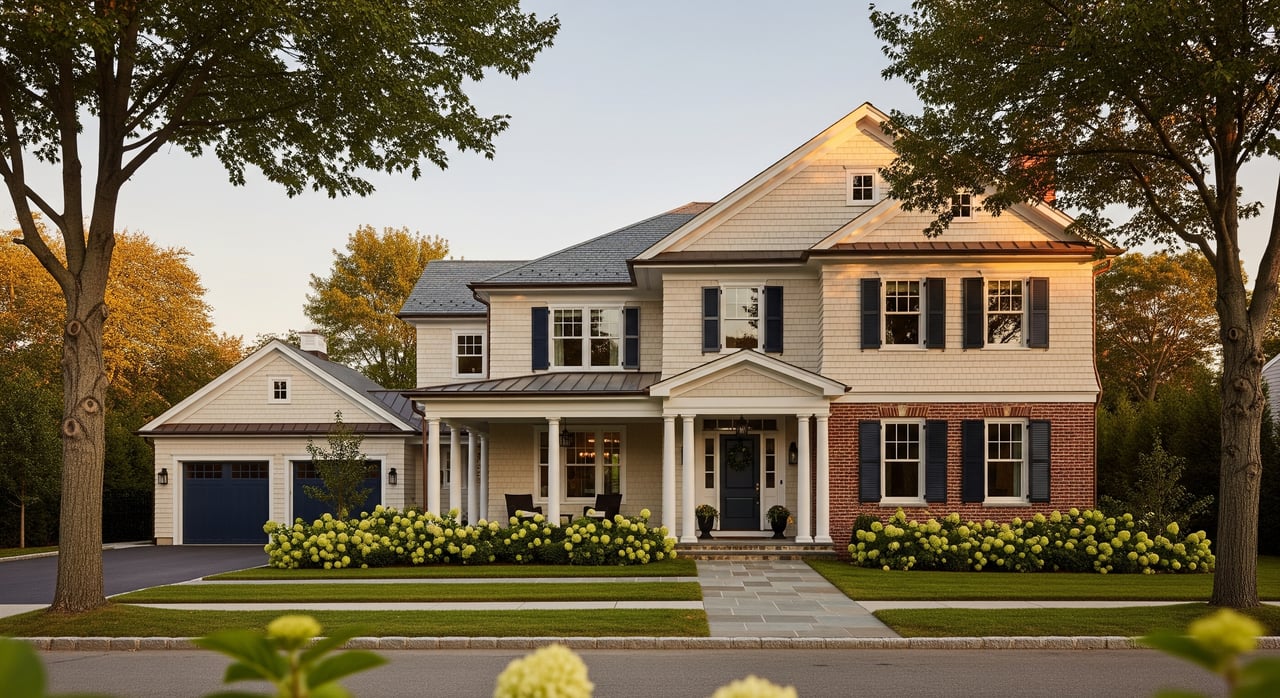
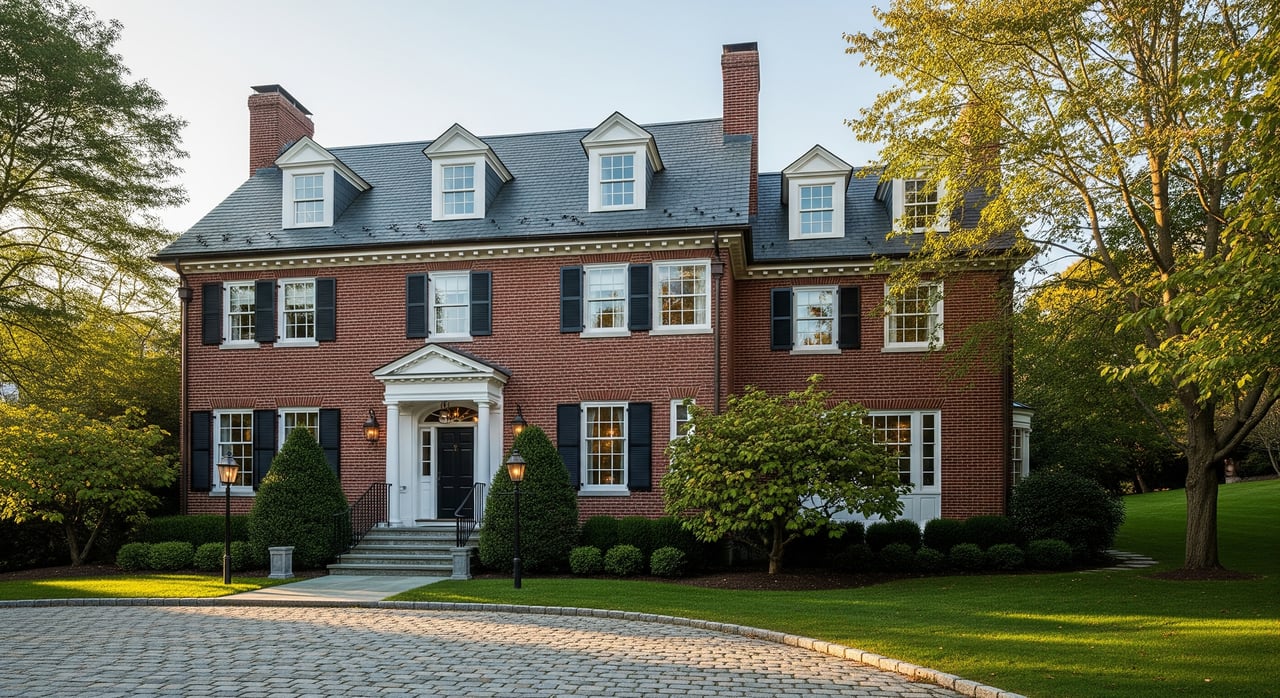
Single-family homes dominate the landscape and represent the aspirational target for most buyers entering the market. In Dedham Village and the Fairbanks area, you'll find historic Colonials and Federal-style homes dating to the 18th and 19th centuries — structures with original wide-plank flooring, exposed timber framing, and architectural details that cannot be replicated. In Greenlodge and Oakdale, the inventory shifts toward mid-century Capes and Ranch-style homes from the 1950s and 1960s, which are frequently the entry point for first-time buyers and downsizers. At the high end, new construction luxury homes priced at $1.5 million and above are increasingly appearing as older homes on large lots are razed or heavily renovated.
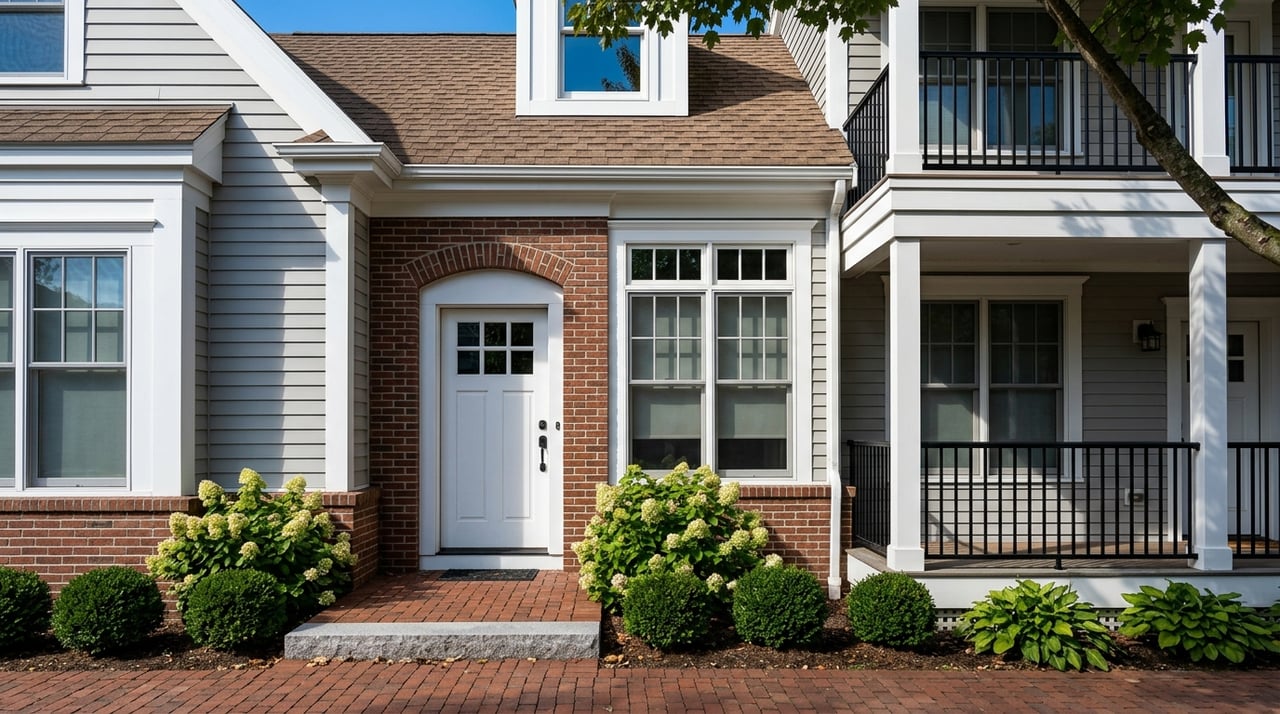
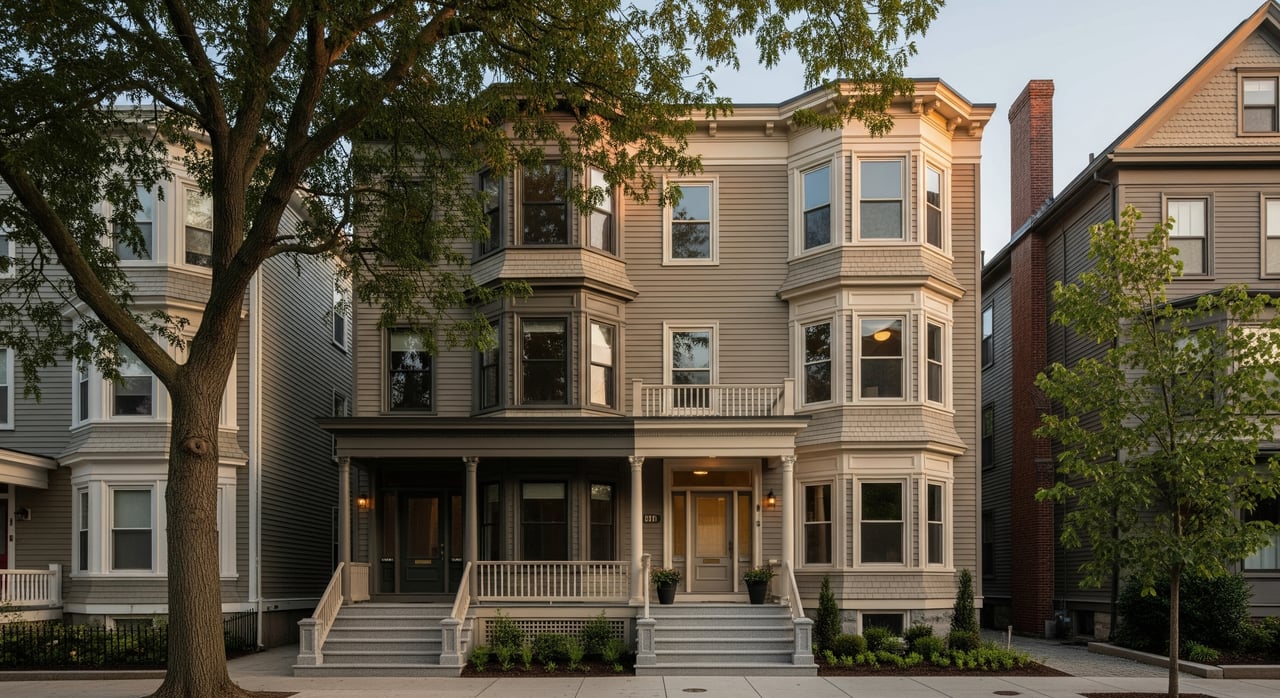
Condominiums and townhomes occupy a growing niche, particularly in East Dedham. The area's former mill buildings along Mother Brook have been converted into sought-after loft-style condominiums that preserve original brick and timber details — a type of housing that attracts buyers who want character without maintenance overhead. Near Legacy Place and the Dedham Corporate Center, newer luxury complexes offer amenity-rich living (gyms, pools, concierge-style services) with walking distance to the commuter rail.
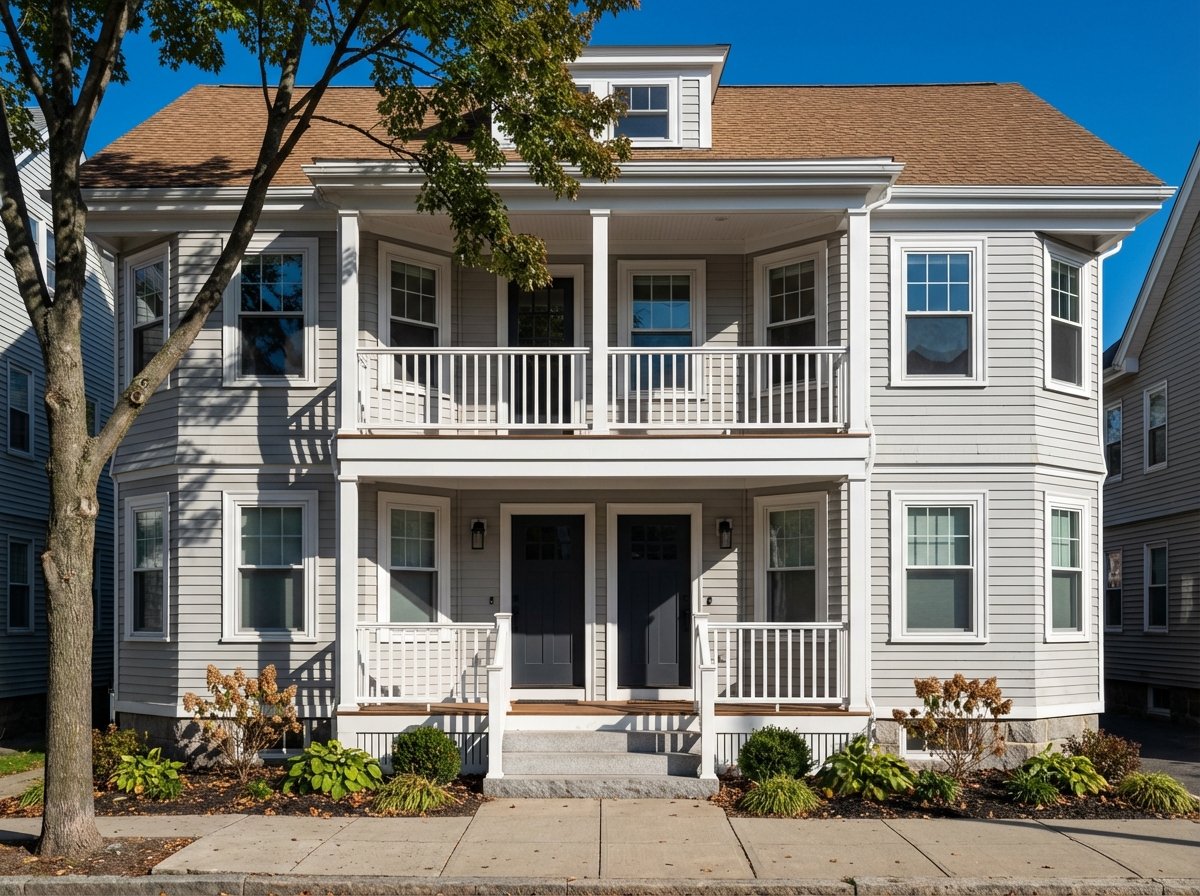
Apartments and rentals have expanded substantially, driven by high-end developments like Station Circle, where one- to three-bedroom units rent at a median of approximately $2,945 per month. East Dedham also holds a stock of traditional New England two-family homes, which function as both investment vehicles and owner-occupied income properties for budget-conscious buyers.
Buying in Dedham rewards buyers who do their homework before making an offer. Several considerations are specific to this market and shouldn't be treated as boilerplate due diligence.
Flood risk is material. Approximately 21% of Dedham properties face some degree of flooding risk over a 30-year horizon, owing to the town's proximity to the Charles River and Mother Brook. Even homes outside officially designated FEMA high-risk zones can show evidence of high-water intrusion — inspect basements carefully and verify whether the property has a history of water management issues.
Historic district restrictions can be significant. If you're purchasing in Dedham Village or near the Fairbanks House, you may be within a Local Historic District. This means exterior alterations — including siding, windows, doors, and fencing — require review and approval from the Historic District Commission. This is not a dealbreaker, but it does mean that renovation timelines and costs can be meaningfully longer than a buyer accustomed to unrestricted renovation might expect.
Property taxes deserve close attention. As of FY2026, Dedham's residential tax rate is $12.30 per $1,000 of assessed value. The average single-family tax bill now runs approximately $9,974 annually — a figure that has risen not because the rate increased, but because assessed values have climbed. Factor this into your total cost-of-ownership calculation, particularly if you're comparing Dedham to neighboring towns with lower assessed bases.
School boundary verification is essential right now. The district is currently conducting an Educational Model Review with potential boundary adjustments for the 2026–2027 school year. If proximity to a specific elementary school is a material part of your purchase decision, confirm the current catchment boundaries directly with the Dedham Public Schools district office before closing.
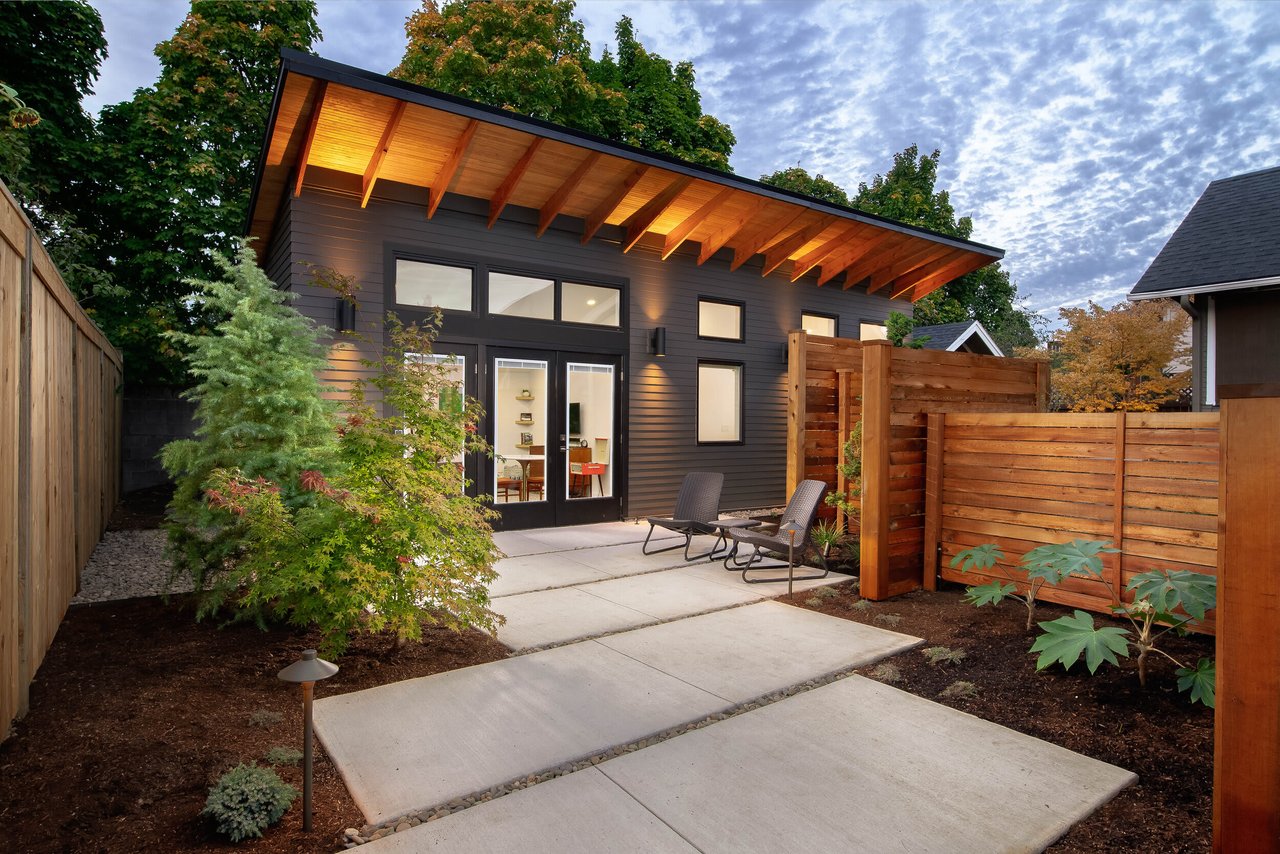
Zoning for ADUs and parking in denser areas was updated in May 2025. If you intend to add an Accessory Dwelling Unit or reconfigure parking, confirm current zoning compliance early — don't assume the prior owner's improvements were permitted.
The 2026 Dedham market is no longer a passive exercise in listing and waiting. It rewards sellers who approach the process with intentionality, preparation, and a calibrated understanding of buyer psychology.
Seasonality is pronounced and predictable. The spring window — specifically late March through early April — consistently generates the most buyer activity in Dedham. The town's landscaping comes to life during this period, curb appeal peaks naturally, and families with children are motivated to close transactions before the fall school year. Sellers who can align their listing date to this window gain a structural advantage.
Pricing is the single most consequential decision. In a market where days-on-market have stretched to 37–60 days, the penalty for overpricing is severe and swift. A well-priced home in the right condition still commands multiple offers and closes above list; an overpriced home stagnates, accumulates days-on-market, and ultimately sells for less than it would have if it had been priced correctly from day one.
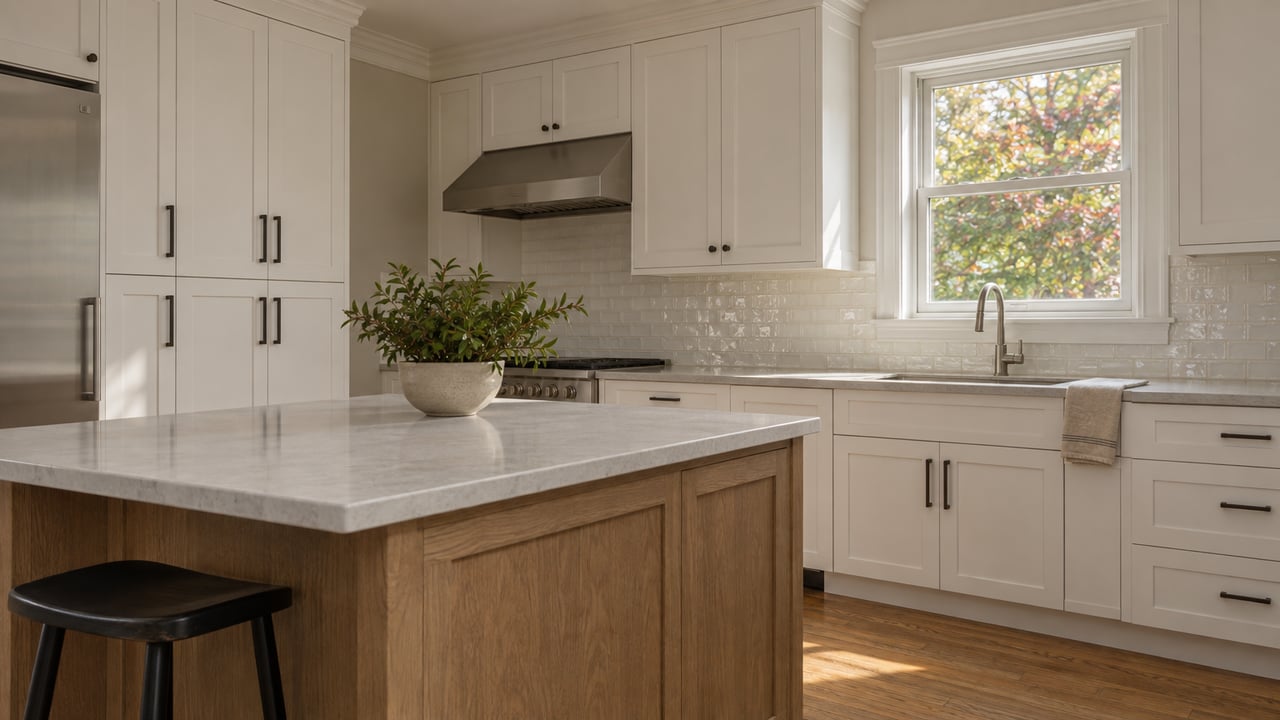
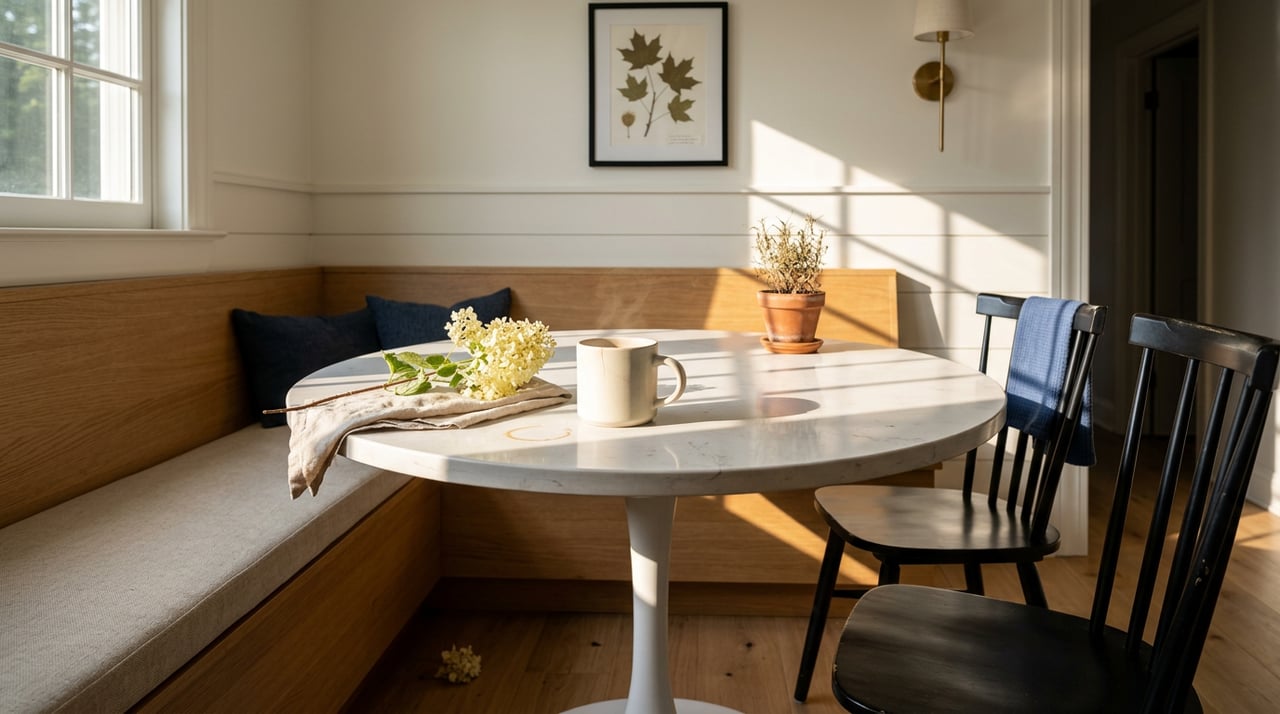
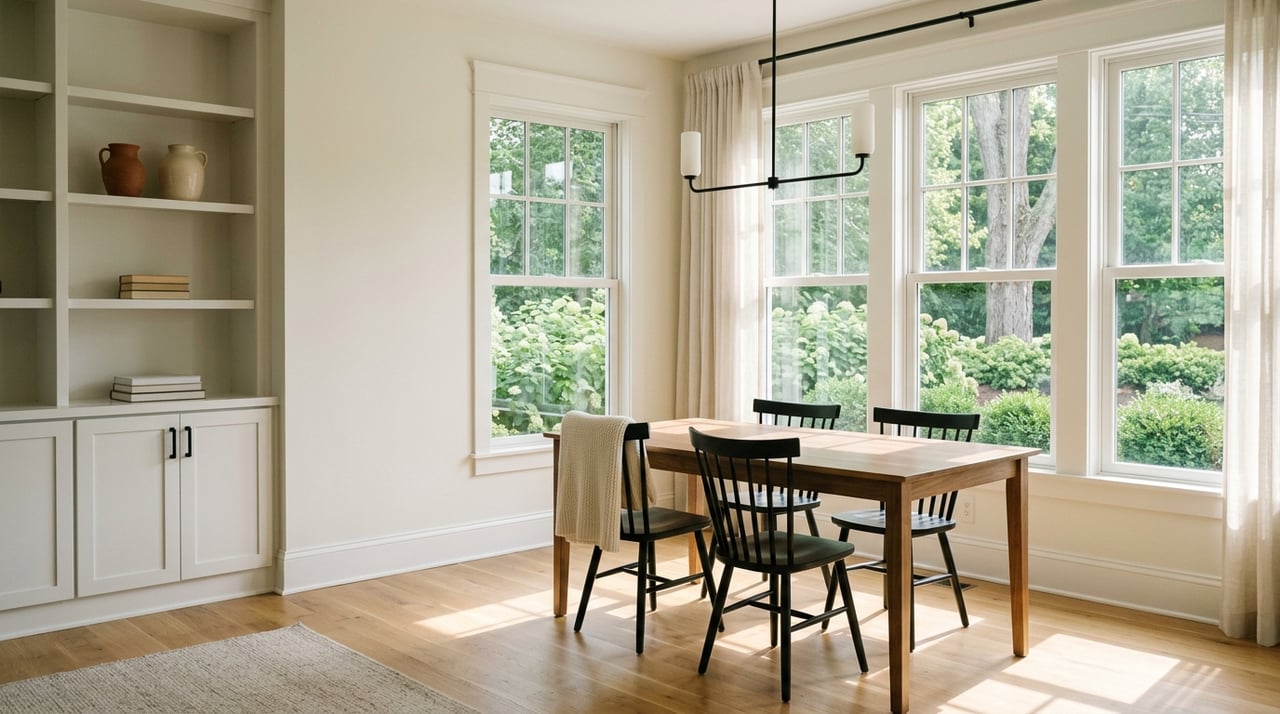
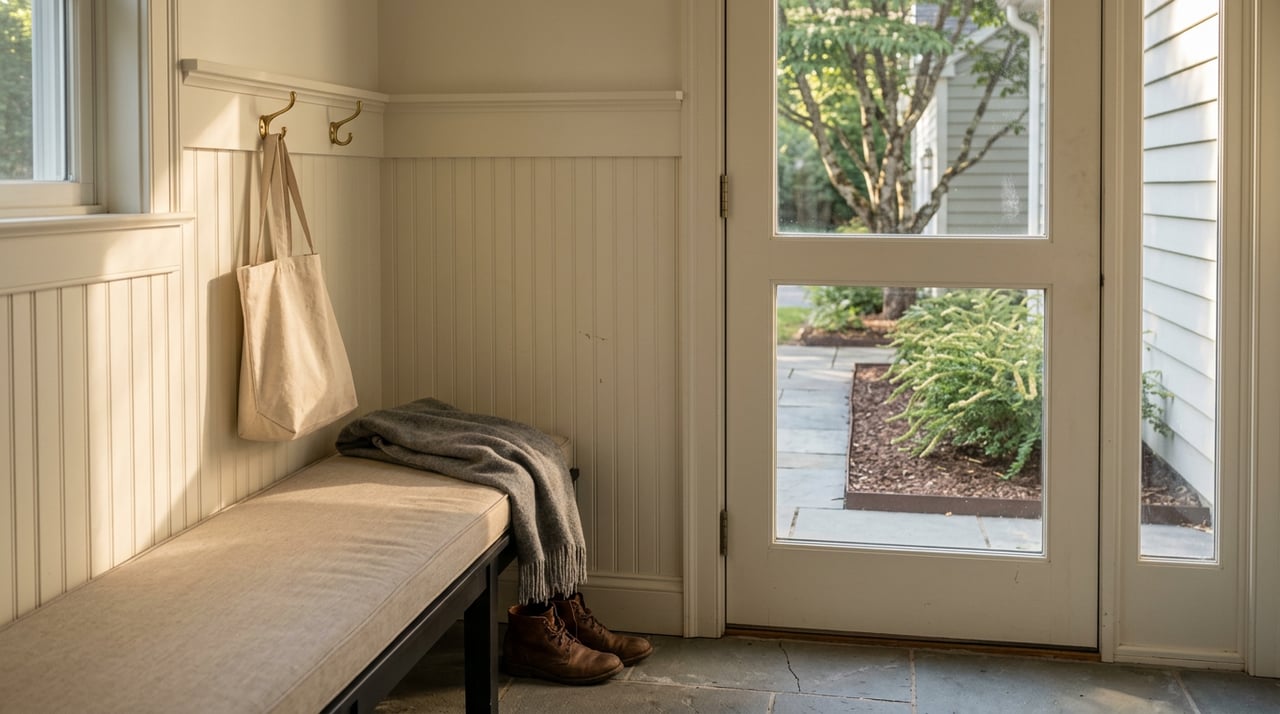
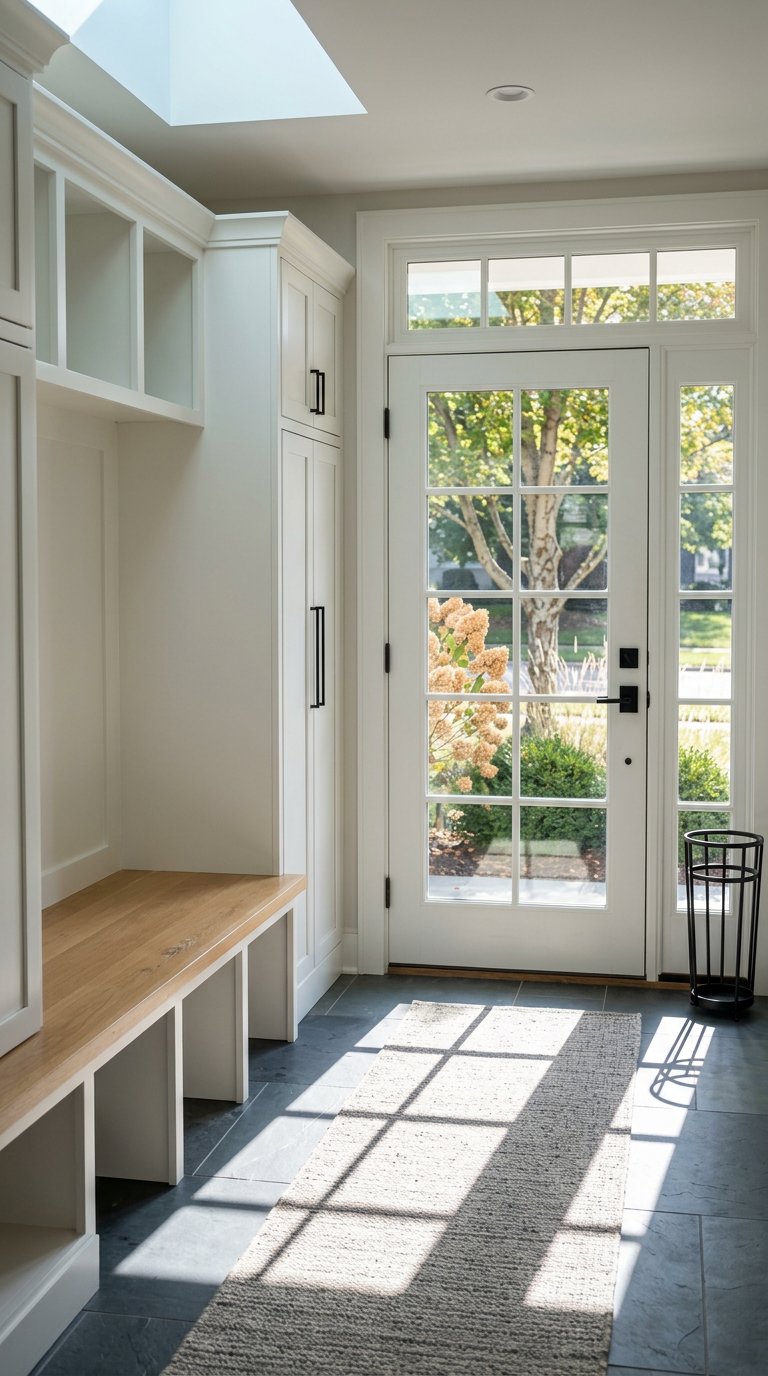
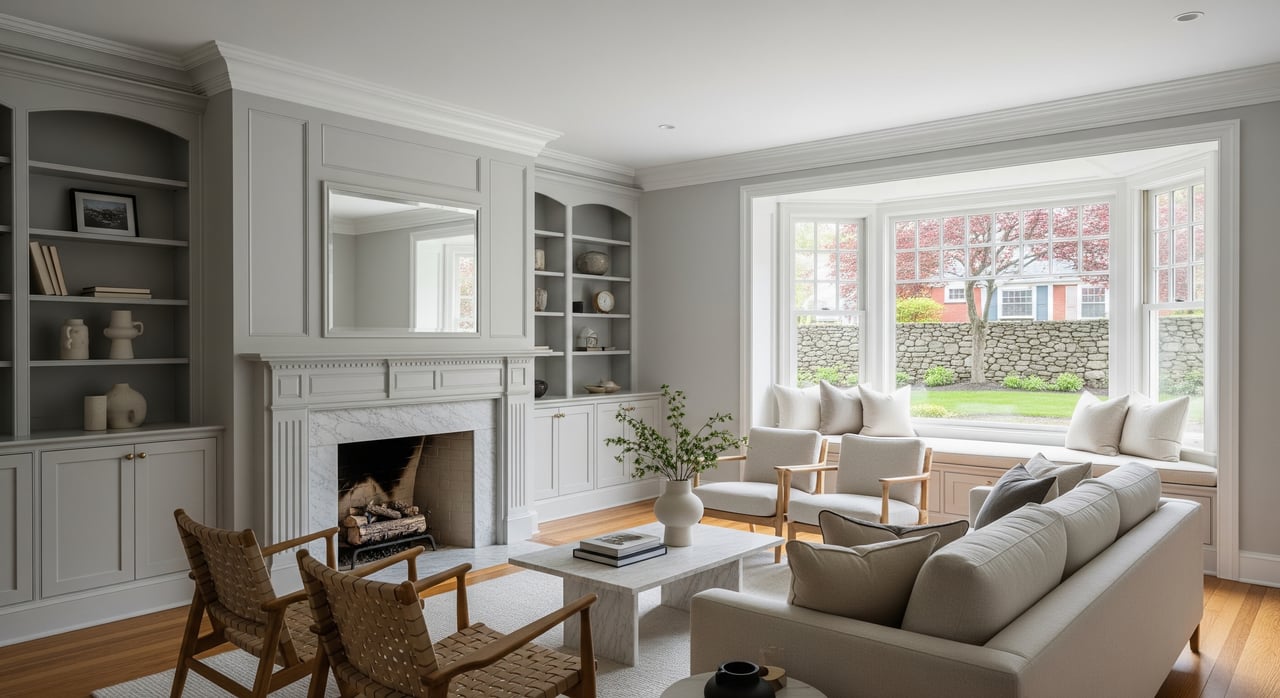
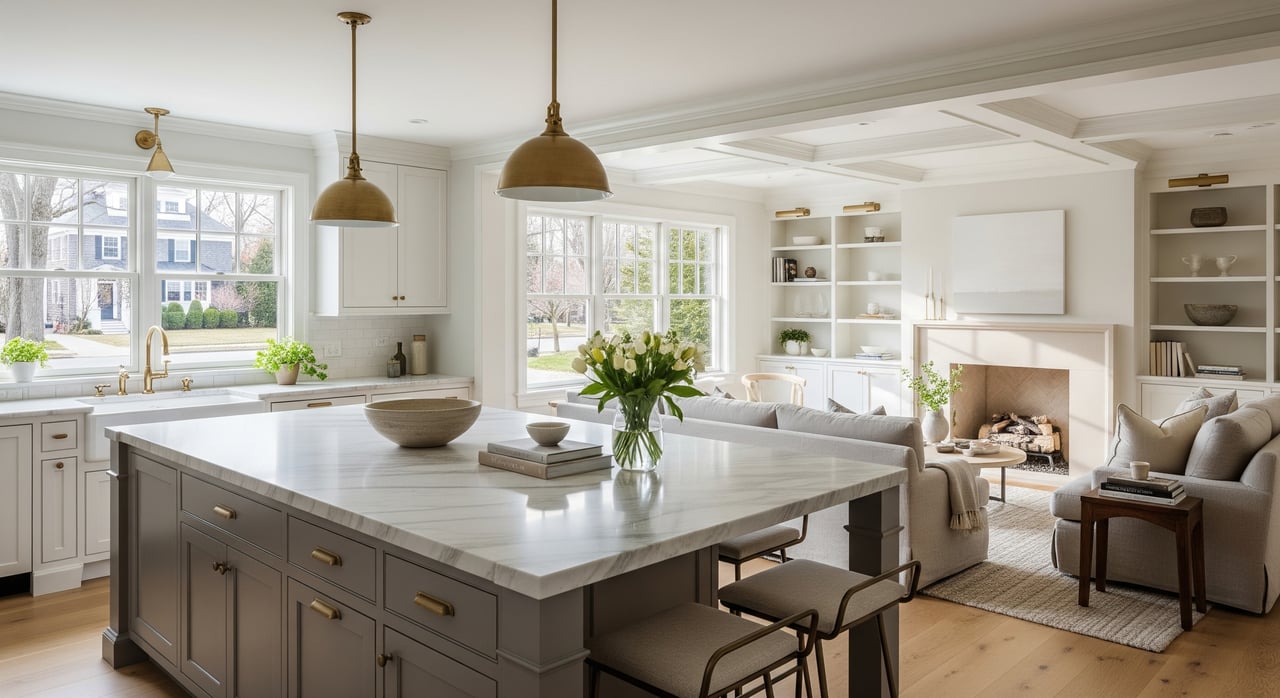
Staging trends have shifted. The all-grey, sterile aesthetic that dominated the mid-2010s is emphatically over. Current Dedham buyers — largely "Deliberate Buyers" moving out of Boston or upgrading from smaller suburban homes — respond to what the market is calling "Authentic Warmth." This translates to warm-toned LED lighting, natural material accents (wood, stone, linen), and color palettes that favor deep greens and earthy terracottas over the stark white walls of previous cycles. High-ROI staging investments are relatively low-cost — lighting swaps, kitchen hardware updates, and thoughtful accessory layering yield outsized buyer response.
Know your buyer. The dominant buyer profile in 2026 Dedham is rate-sensitive, detail-oriented, and unlikely to overlook condition issues or accept aggressive seller concessions on inspection findings. They are not panic-buying. This means sellers need to arrive at the market with their home already in excellent condition, not expecting buyers to absorb deferred maintenance.
Dedham punches well above its weight for a town of its size, offering a dining and entertainment landscape that ranges from casual neighborhood staples to genuinely destination-worthy experiences.
In Dedham Square, the historic core sets a convivial tone. Oscar's has become a community anchor, known for craft beers, elevated pub food, and the kind of neighborhood energy that keeps regulars coming back week after week. Orchid 7 offers something more distinctive — Caribbean fusion with live music, a combination that feels surprising in a New England town and works exceptionally well. The Dedham Community Theatre, operating since 1927, remains an irreplaceable cultural institution: a single-screen cinema with old-world charm that screens both indie films and mainstream releases, something increasingly rare in the era of multiplex dominance.
Legacy Place operates as the town's higher-energy culinary and entertainment district. The Capital Grille anchors the upscale dining tier with its classic American steakhouse experience. Legal Sea Foods, recently renovated, continues its status as a regional seafood institution. The newcomer generating the most buzz as of late 2025 is Mecha Noodle Bar, which has quickly established itself as the go-to for ramen and pho among residents who don't want to drive into Boston for the real thing.
For entertainment beyond dining, Kings Dining & Entertainment offers bowling, billiards, and shuffleboard in an upscale sports bar setting — genuinely fun for both dates and group outings. Showcase Cinema de Lux provides heated recliners and in-theater dining for those who want a more premium movie-going experience. And The Endicott Estate, a stunning Colonial Revival mansion, hosts the Arts at Endicott summer concert series and serves as the venue for the beloved James Joyce Ramble, held every April.
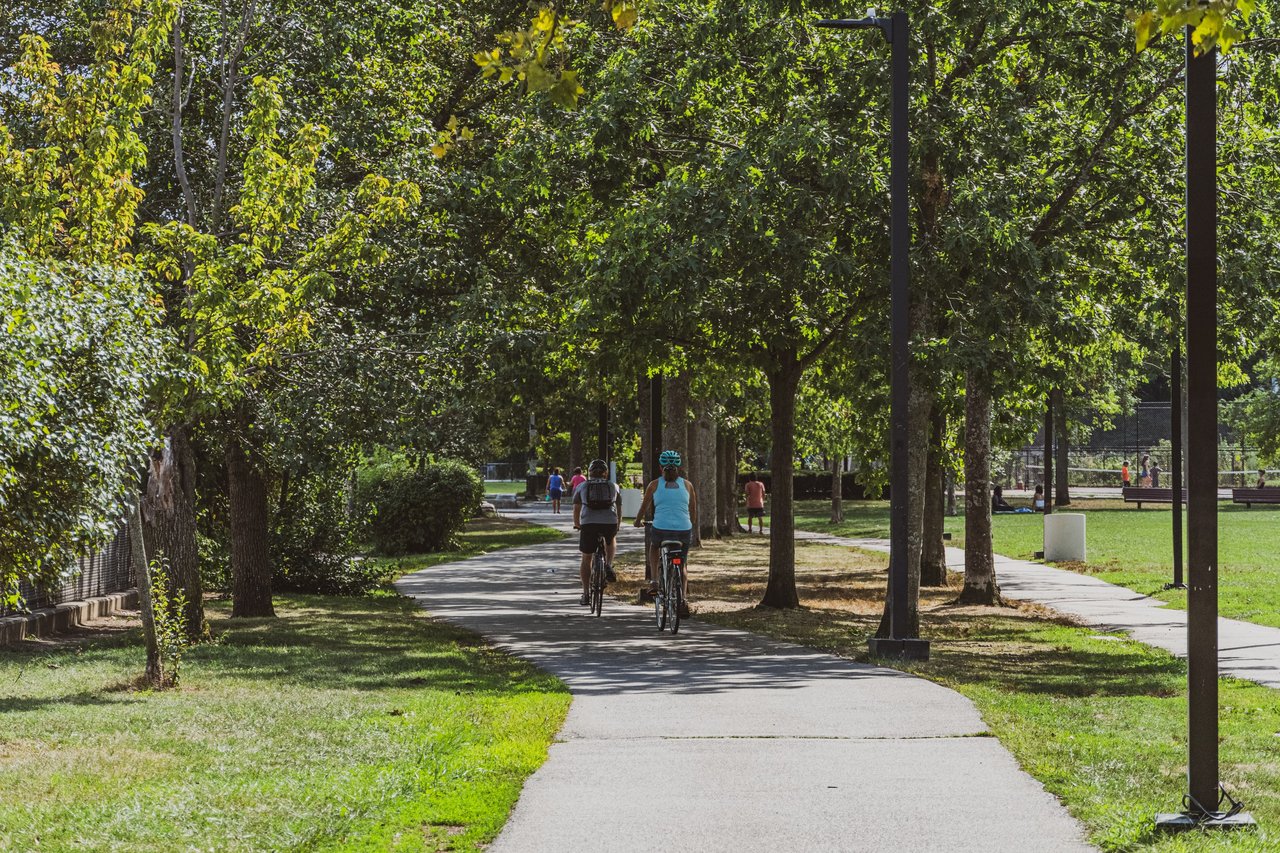
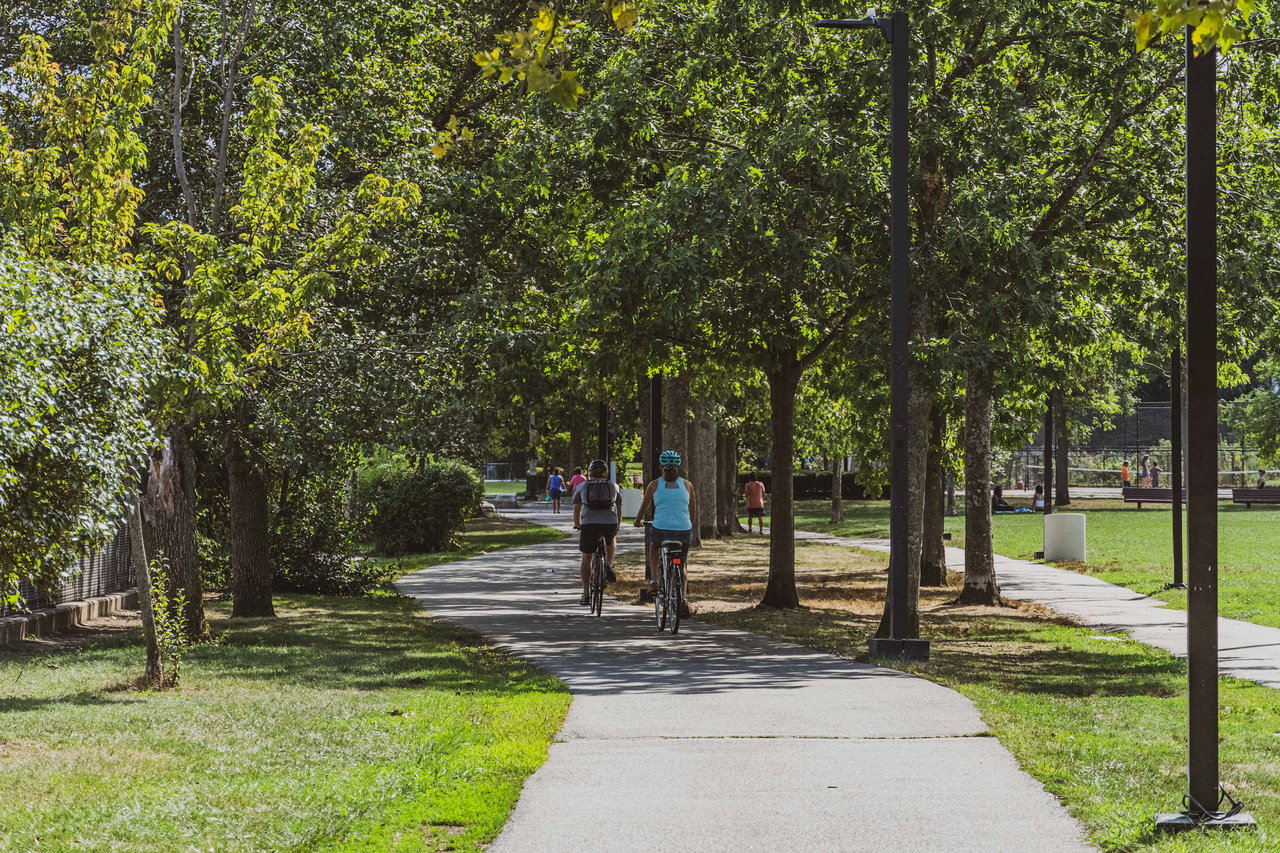
Dedham's green infrastructure is arguably its most underappreciated asset, particularly for buyers arriving from more densely built parts of Greater Boston. The town's relationship with its natural landscape is deep and well-maintained.
Wilson Mountain Reservation is the crown jewel: 215 acres of protected woodland with trails that ascend to a summit offering one of the only direct views of the Boston skyline from the suburbs. Compared to the perennially crowded Blue Hills Reservation nearby, Wilson Mountain feels almost secret — quiet on weekday mornings, well-loved but never overwhelmed. It is the preferred destination for serious dog walkers, trail runners, and anyone who needs to decompress quickly.
Cutler Park Reservation, running along the Charles River, provides a completely different experience — flat, marshy, and contemplative. The Blue Heron Trail cuts through sweeping wetlands on a raised boardwalk, making it exceptional for birdwatching and nature photography. It's a meditative counterpoint to Wilson Mountain's more vigorous terrain.
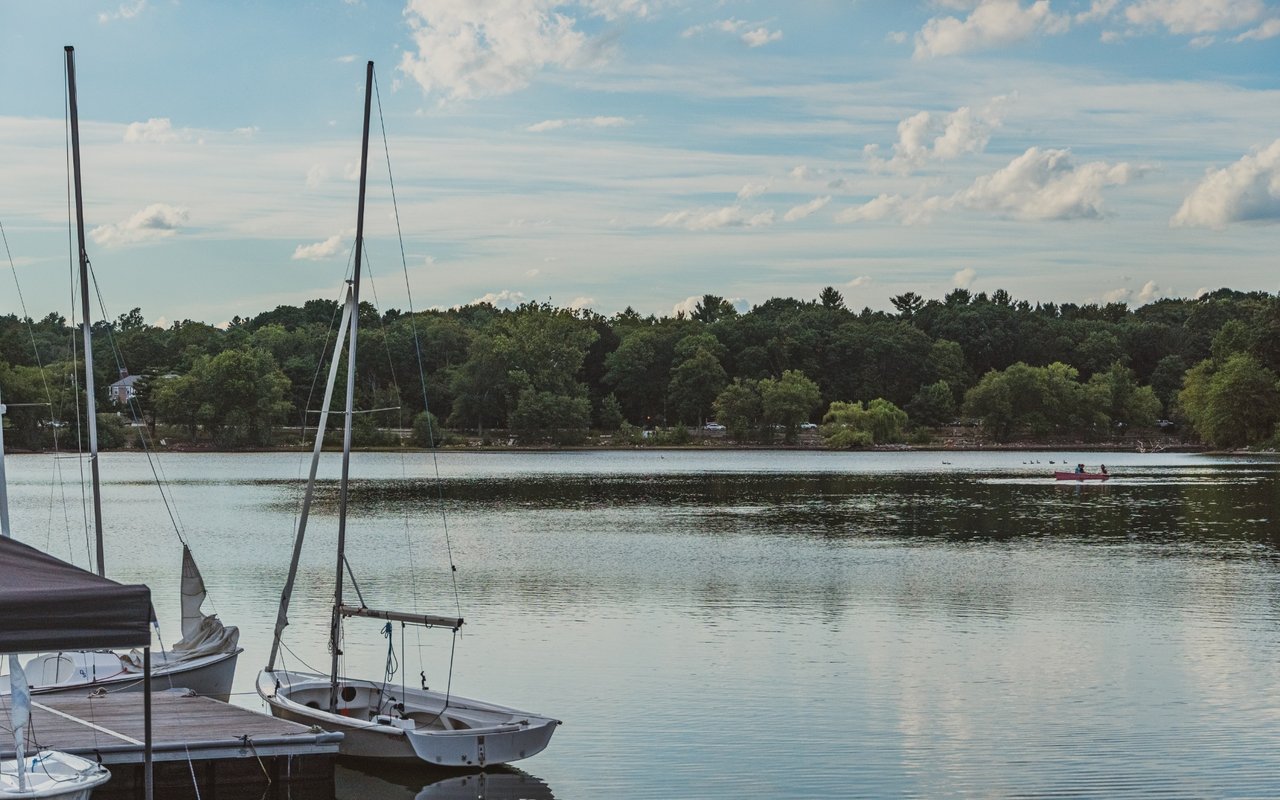
On the water, the Dedham Water Trail offers kayaking and canoeing on a scenic stretch of the Charles River. L.L.Bean's Outdoor Discovery Programs, operating out of Legacy Place, runs guided kayaking, stand-up paddleboarding, and fly-fishing courses directly on these waters — an extraordinary amenity for a suburban town.
Barnes Memorial Park functions as the town's social and athletic hub, with baseball diamonds, a multi-purpose turf field, and the annual Dedham Day celebration. Dedham Pool (Ju Ju's Place) is a year-round indoor facility offering swim lessons and resident memberships. For golfers, the private Dedham Country and Polo Club offers a highly-regarded course alongside trap shooting and tennis; public play is readily accessible just across the border at Brookline Golf Course and George Wright in West Roxbury.
Dedham's educational ecosystem is one of its strongest market drivers, and for good reason. The combination of high-performing public schools and some of New England's most prestigious private institutions is genuinely rare outside of towns with significantly higher price points.
Dedham Public Schools (DPS) is currently ranked the #74 Best School District in Massachusetts by Niche, with particular recognition for teaching quality and diversity. The district serves students across four elementary schools — Avery, Greenlode, Oakdale, and Riverdale — before funneling into a single high school system. Dedham High School consistently ranks among the top 100 public high schools in the state, offering more than 20 AP courses. The district's Early Childhood Education Center (ECEC) provides a state-of-the-art preschool and kindergarten experience anchored by the "Tools of the Mind" curriculum, which prioritizes self-regulation and executive function alongside academic foundations.
It's worth noting that the district is currently undergoing both a Facilities Master Plan and an Educational Model Review, with infrastructure averaging 61 years old. This review process has direct implications for potential school consolidations and boundary adjustments beginning in the 2026–2027 school year. Prospective buyers with children should monitor this process actively.
On the private school side, Dedham hosts institutions of national standing. Noble and Greenough School ("Nobles") is an elite grades 7–12 boarding and day school with a 5:1 student-teacher ratio, consistently recognized among the top private schools in the country. Dedham Country Day School serves PK–8 on a beautiful 17-acre campus with a balanced academic and arts-integrated approach. Ursuline Academy offers a premier all-girls Catholic education for grades 7–12, while The Rashi School delivers an independent Jewish education (PK–8) with a social justice-integrated curriculum.
For higher education, Dedham sits within 5–10 miles of Boston College and Northeastern University, with Curry College in adjacent Milton and Massasoit Community College in Canton serving commuter students.
Few suburbs in the Greater Boston area offer Dedham's combination of transit options and highway access. For commuters, it functions as something close to a logistical sweet spot.
The MBTA Franklin/Foxboro Commuter Rail Line — colloquially called the "Purple Line" by locals — serves Dedham with two stations: Endicott Station, located in a quiet residential setting, delivers passengers to South Station in approximately 36 minutes. Dedham Corporate Center, near Route 1 and Legacy Place, offers nearly 500 parking spots at $2 per day and is the preferred option for residents on the western side of town. Savvy commuters learn quickly that the two stations are only about five minutes apart — when one lot fills, the other is often available.
Highway access is exceptional. I-95/Route 128 runs directly through the town, providing access to the Route 128 Tech Corridor to the north and Providence, Rhode Island to the south. Route 1 (the Providence Highway) is the commercial spine, connecting directly to West Roxbury and Boston. The VFW Parkway offers a scenic alternative route for those commuting to the Longwood Medical Area or Jamaica Plain.
For residents who prefer not to drive or take the commuter rail, the 34E bus runs regularly along Washington Street, connecting to Forest Hills Station on the Orange Line in approximately 25–30 minutes. It's a slower option but a meaningfully cheaper one, and it adds flexibility for those who work non-traditional hours.
Within Dedham's overall strong market, certain micro-locations have developed reputations that consistently command premium pricing and above-average buyer interest.
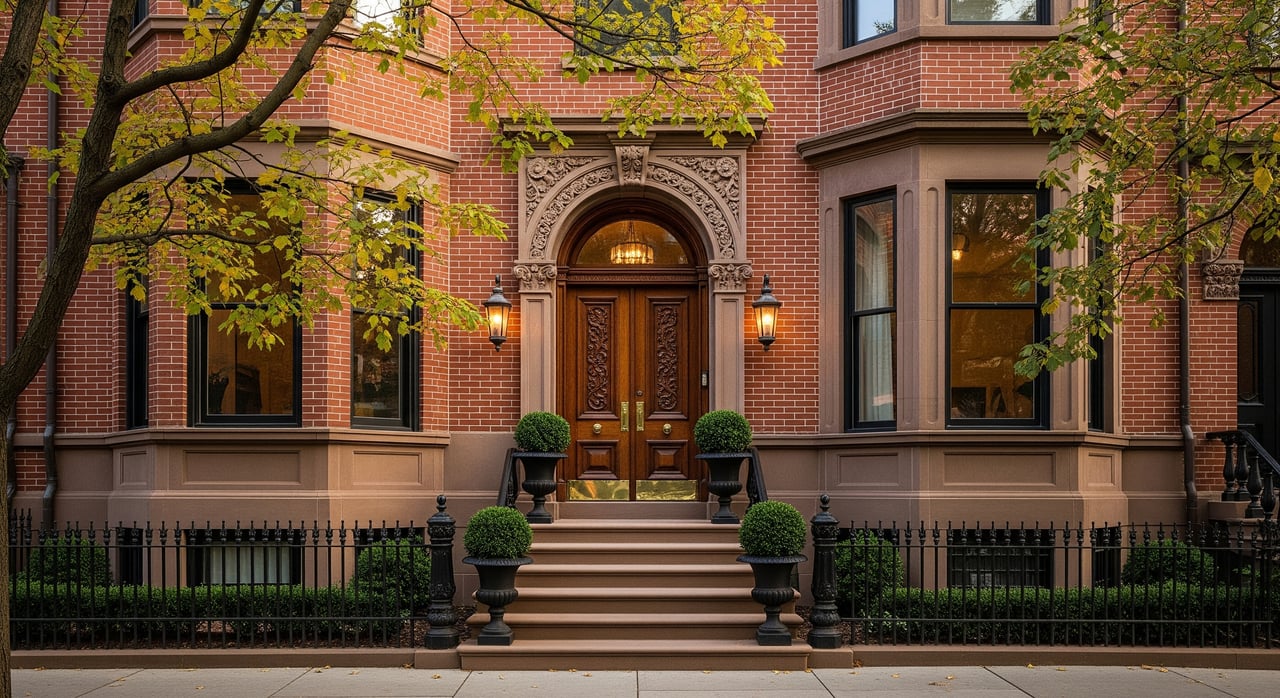
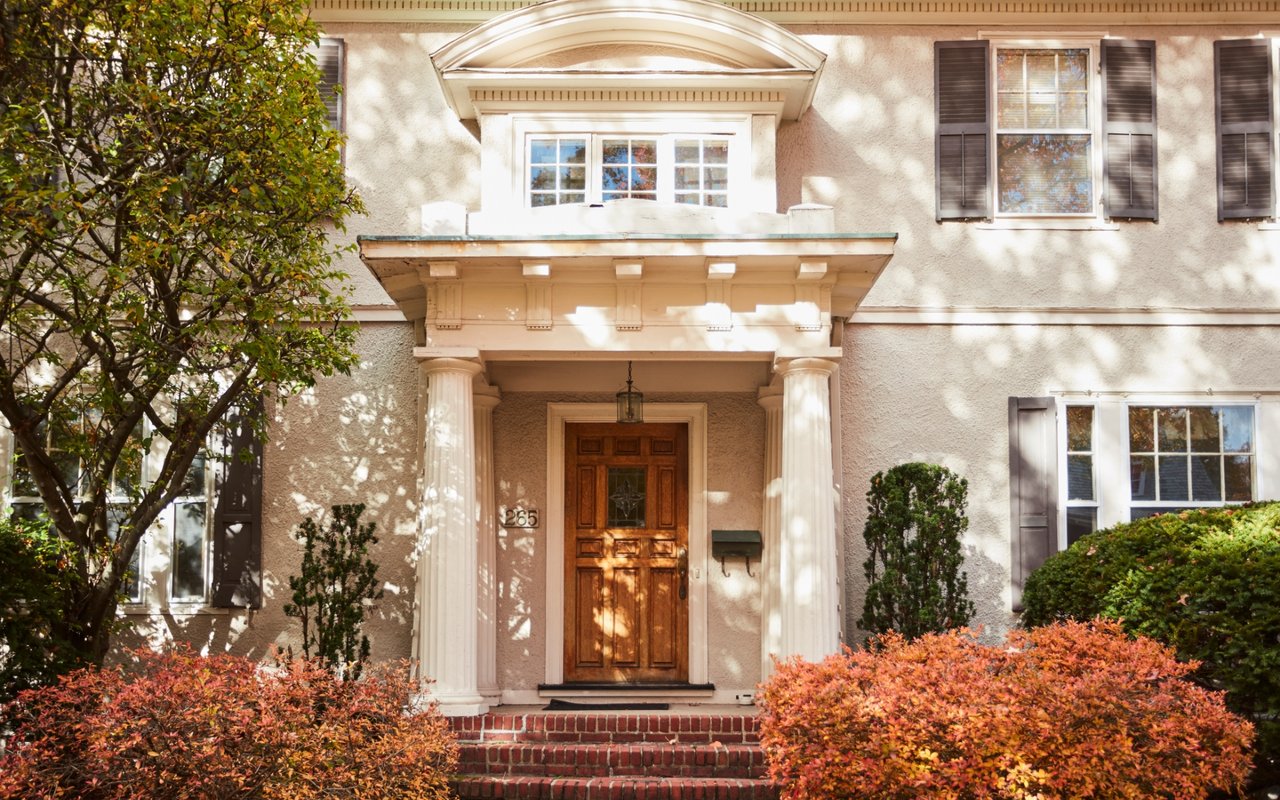
Dedham Village is the most historically and aesthetically distinguished sub-neighborhood. Streets like High Street, Court Street, and Eastern Avenue are lined with Federal and Greek Revival homes that rarely come to market and command exceptional prices when they do. The proximity to the Dedham Square commercial district and the architectural prestige of the neighborhood make it the first choice for buyers seeking genuine historical character.
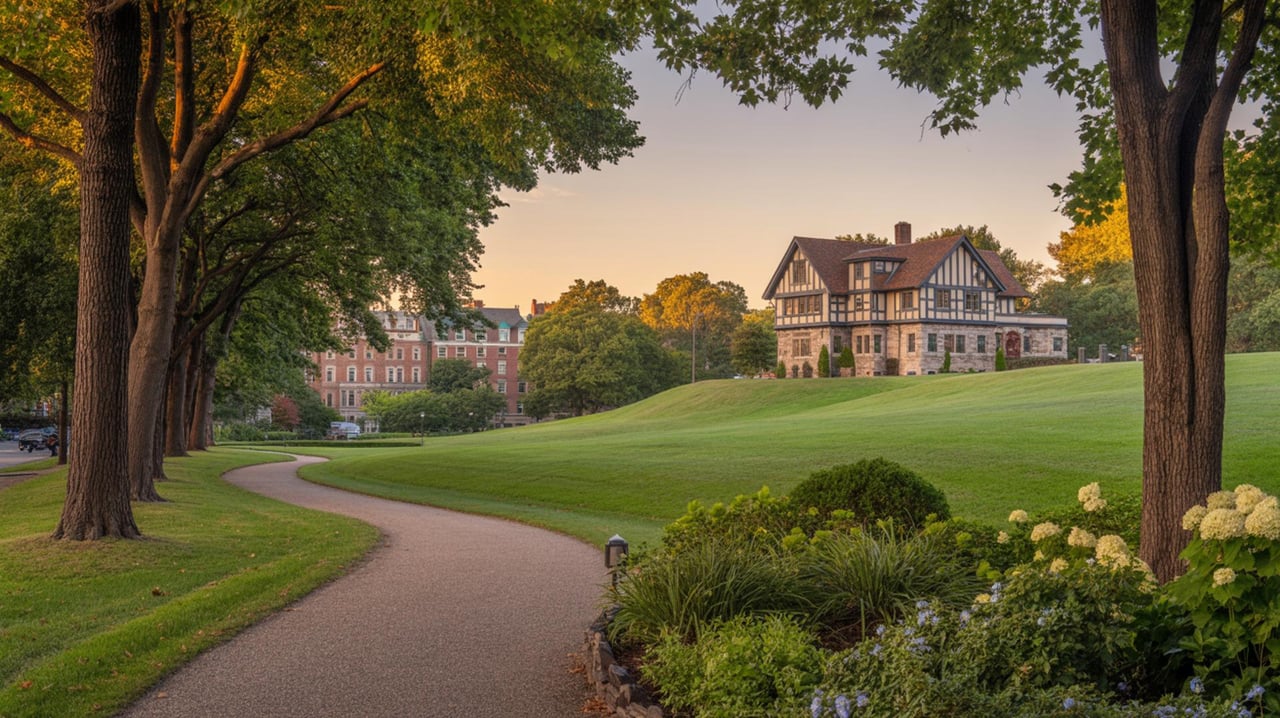
The Endicott Estate area carries significant cachet. The surrounding residential streets benefit from the estate's expansive grounds and green buffer, lending the neighborhood an unusual sense of space and grandeur uncommon in a suburban setting.
Riverdale, along the Charles River corridor, attracts buyers drawn to waterfront adjacency and the natural amenity of the river. Properties along Bridge Street and River Road offer direct access to the water trail and some of the most scenically distinctive real estate in town.
The Greenlodge neighborhood represents the most accessible entry point to Dedham's single-family market without sacrificing community quality. Its inventory of mid-century Capes and ranches on well-maintained lots appeals to first-time buyers and those looking to downsize while staying within the town's school district.
New development at Stergis Way and Bridge Street through the Nordblom Company project — adding 150+ new dwelling units to the East Dedham corridor — is actively reshaping that area's profile and may represent a compelling early-mover opportunity for buyers interested in newer construction.
Ultimately, what people love about Dedham is that it doesn't require them to sacrifice anything of real importance. The commute is manageable. The schools are excellent. The neighborhood identity is strong and authentic rather than manufactured. The outdoor amenities are genuinely impressive. And the housing stock, while competitive, still offers range — from starter homes to historic estates — that has largely disappeared from towns closer to Boston.
There is also something intangible but powerful about a place that has been continuously inhabited and invested in for nearly 400 years. The streets feel settled. The institutions feel durable. When you buy in Dedham, you're not betting on a neighborhood in the process of becoming something — you're joining one that already knows exactly what it is. For buyers who have done the research and understand the market, that kind of certainty has considerable value.
The social fabric matters too. Dedham residents tend to be engaged with their community in ways that feel organic rather than performative. The James Joyce Ramble, Dedham Day, the Arts at Endicott series, the Friends of the Library — these aren't manufactured attempts at community building. They are expressions of a town that has been doing this for a very long time, and doing it well.
Navigating a market as nuanced as Dedham requires more than access to listings — it requires deep local knowledge, strategic insight, and a team that understands what makes each sub-neighborhood distinct. The Muncey Group brings exactly that. Whether you're a first-time buyer trying to understand the difference between Oakdale and the Village, a seller preparing to time your listing for maximum impact, or an investor evaluating the East Dedham corridor's new development pipeline, the Muncey Group has the expertise and relationships to guide every step of the process. Their approach is rooted in honest counsel, precise market analysis, and genuine commitment to their clients' outcomes — not just their transactions. To learn more or begin a conversation about buying or selling in Dedham, reach out to the Muncey Group directly and experience the difference that true local expertise makes.
There's plenty to do around Dedham, including shopping, dining, nightlife, parks, and more. Data provided by Walk Score and Yelp.
Explore popular things to do in the area, including Petruzziello Plaza, Rk Plaza, and I Love Boston Sports.
| Name | Category | Distance | Reviews |
Ratings by
Yelp
|
|---|---|---|---|---|
| Shopping | 0.19 miles | 0 reviews | 0/5 stars | |
| Shopping | 0.33 miles | 0 reviews | 0/5 stars | |
| Shopping | 1.09 miles | 0 reviews | 0/5 stars | |
| Active | 0.01 miles | 0 reviews | 0/5 stars | |
| Active | 0.2 miles | 0 reviews | 0/5 stars | |
| Active | 0.88 miles | 0 reviews | 0/5 stars | |
| Active | 0.94 miles | 0 reviews | 0/5 stars | |
| Active | 1.51 miles | 0 reviews | 0/5 stars | |
| Beauty | 0.24 miles | 0 reviews | 0/5 stars | |
| Beauty | 0.46 miles | 0 reviews | 0/5 stars | |
| Beauty | 0.93 miles | 0 reviews | 0/5 stars | |
| Beauty | 1.15 miles | 0 reviews | 0/5 stars | |
|
|
||||
|
|
||||
|
|
||||
|
|
||||
|
|
||||
|
|
Dedham has 10,297 households, with an average household size of 2.37. Data provided by the U.S. Census Bureau. Here’s what the people living in Dedham do for work — and how long it takes them to get there. Data provided by the U.S. Census Bureau. 25,109 people call Dedham home. The population density is 2,445 and the largest age group is Data provided by the U.S. Census Bureau.
Total Population
Population Density Population Density This is the number of people per square mile in a neighborhood.
Median Age
Men vs Women
Population by Age Group
0-9 Years
10-17 Years
18-24 Years
25-64 Years
65-74 Years
75+ Years
Education Level
Total Households
Average Household Size
Average individual Income
Households with Children
With Children:
Without Children:
Blue vs White Collar Workers
Blue Collar:
White Collar:
Office
20 Birch St
Roslindale, MA 02131
Compass Office
1330 Boylston St 2nd Fl
Chestnut Hill, MA 02467
Office
20 Birch St
Roslindale, MA 02131
Compass Office
1330 Boylston St 2nd Fl
Chestnut Hill, MA 02467