Jamaica Plain
A hip and historic Boston neighborhood.
41,109 people live in Jamaica Plain, where the median age is 34.9 and the average individual income is $72,568. Data provided by the U.S. Census Bureau.
Total Population
Median Age
Population Density
Average individual Income
A hip and historic Boston neighborhood
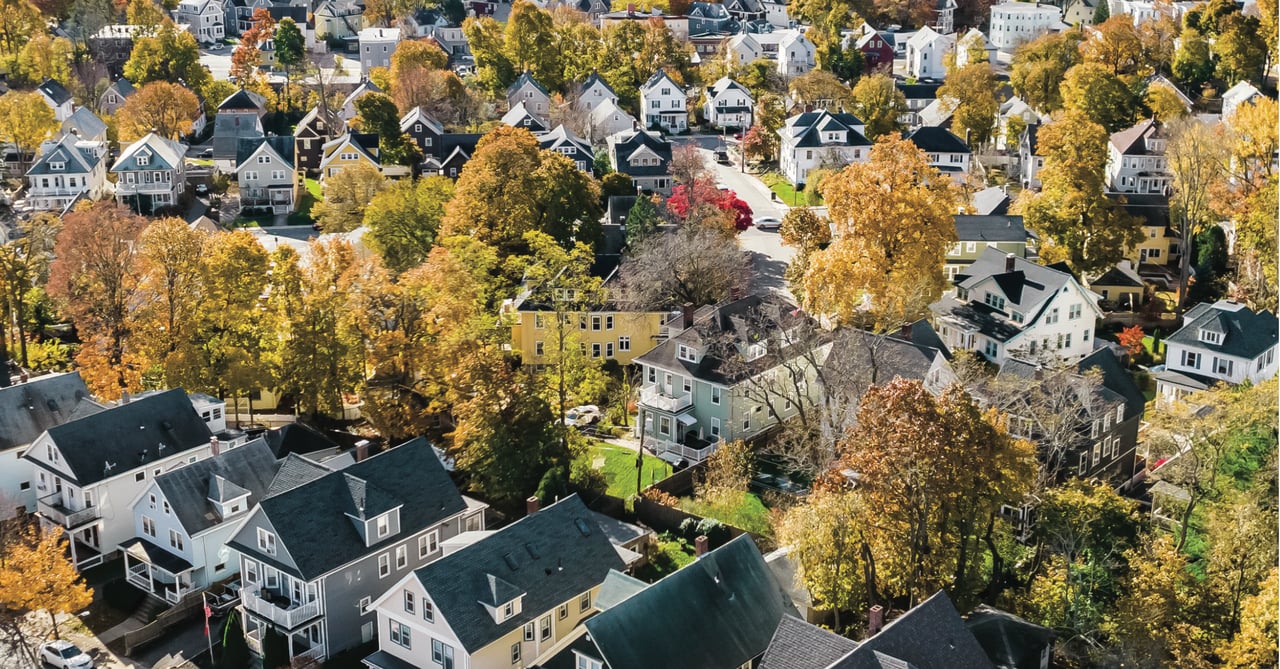
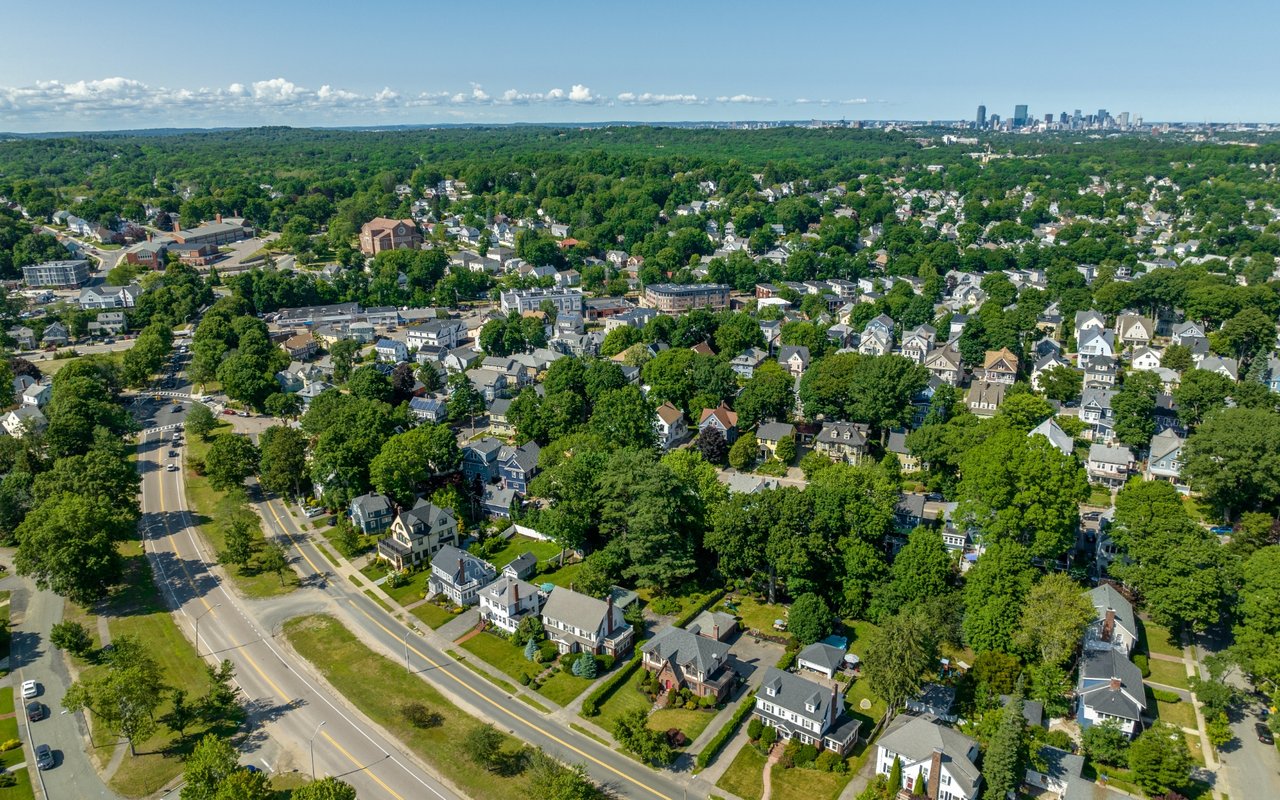
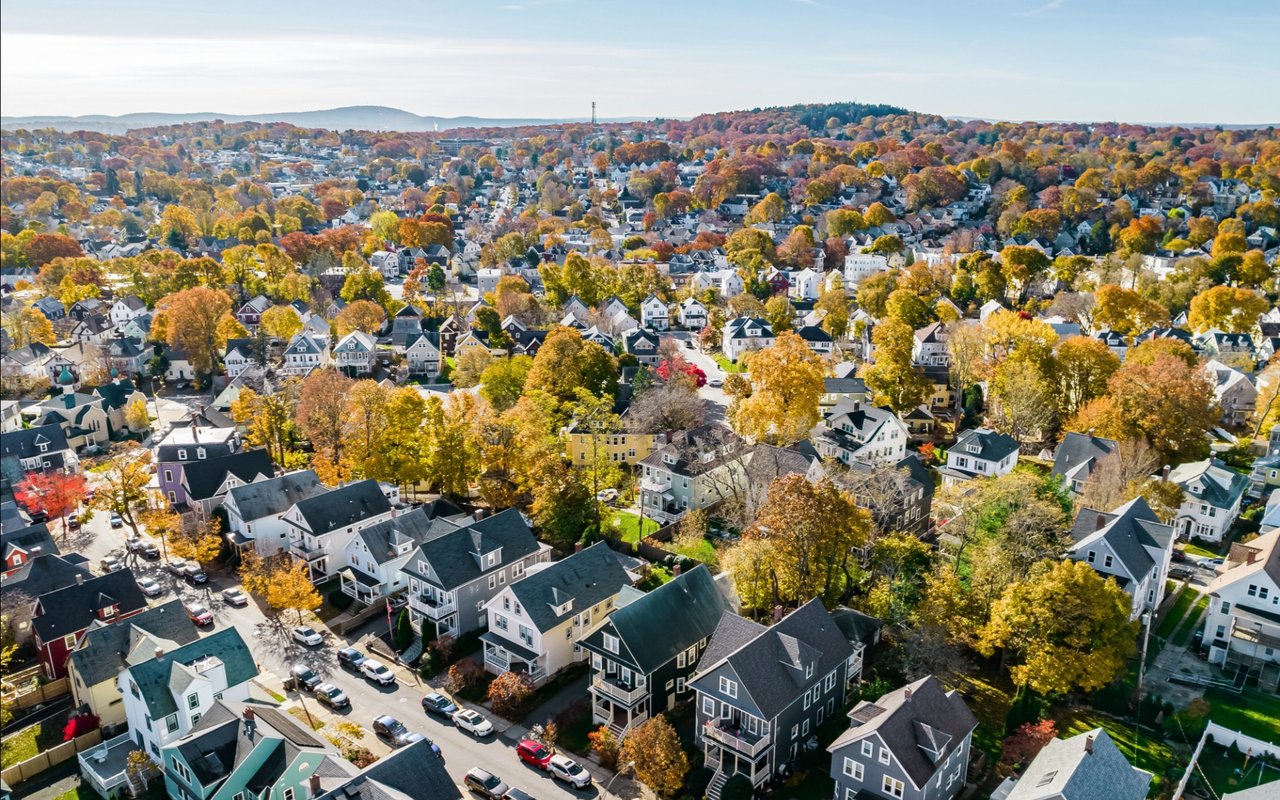
Jamaica Plain occupies a rare position in the Boston real estate landscape: it is simultaneously one of the city's most livable neighborhoods and one of its most underestimated. Bordered by the Emerald Necklace to the west and the Orange Line to the east, JP has evolved from a working-class "alternative" into a fully realized urban village that draws buyers who want the energy of city living without sacrificing green space, community, or architectural character.
The neighborhood attracts a genuinely diverse cross-section of Boston residents. Medical professionals from the Longwood Medical Area put down roots here for the commute efficiency. Young families stay for the parks, the schools, and the sense of community that larger, more transient neighborhoods rarely develop. Remote workers settle in for the walkable retail corridor, the coffee culture, and the housing stock that tends to offer more square footage per dollar than comparable South End or Brookline properties.
What defines JP more than anything is its identity as a place people choose intentionally. Residents tend to know their neighbors, patronize local businesses by habit, and care deeply about how the neighborhood grows. That civic character is not incidental to real estate values — it reinforces them.
As of spring 2026, the Jamaica Plain market is operating in a stabilization phase. The frenzy of the early 2020s has given way to a more deliberate pace, but do not mistake deliberate for soft. Supply remains historically constrained at less than one month of available inventory, which continues to prevent any meaningful price correction even as buyer demand has moderated.
The median listing price for the neighborhood sits in the range of $750,000 to $785,000, though this figure requires context. Condos — which represent the bulk of available inventory — typically start in the $600,000s. Single-family homes, which are genuinely rare in JP, routinely exceed $1.5 million. For buyers comparing properties across different streets and property types, price per square foot ($640 to $700) is the more reliable benchmark.
Well-priced units are moving in 17 to 32 days. Homes that enter the market with aggressive pricing are sitting longer — sometimes up to 60 days — as buyers push back on the gap between asking prices and appraised values. The sale-to-list ratio remains near 99%, which tells you everything about where negotiating leverage actually sits.
JP has traveled a notable distance over the past decade. What was once marketed as a value alternative to the South End now commands prices that rival it, and the neighborhood has earned that trajectory through genuine livability improvements rather than speculation alone.
2026 has brought modest price normalization — year-over-year growth is essentially flat, ranging from -1% to +1% depending on the sub-market and property type. Analysts reading this as a downturn are misreading it. Low inventory is the structural floor keeping values intact.
The more interesting trend is geographic. Egleston Square and Forest Hills are attracting buyers who have been priced out of the Pondside and Central JP areas. These pockets offer relative value today and sit directly in the path of continued investment, particularly along the Washington Street corridor where transit-oriented development is reshaping the streetscape. Buyers who are willing to look one stop further on the Orange Line are finding meaningful price differences and comparable quality of life.
Looking forward, the market consensus points toward roughly 3% appreciation through the end of 2026, contingent on mortgage rates settling into the low 6% range. A modest rate improvement could release significant pent-up demand from buyers who have been sitting on the sidelines for 18 months. In a neighborhood with this little inventory, even a moderate uptick in buyer activity tends to move prices quickly.
JP is largely built out. Buyers approaching the neighborhood expecting ground-up single-family subdivisions will not find them. What the new construction landscape offers instead is a growing body of adaptive reuse and transit-oriented development concentrated along the Washington Street corridor and near Forest Hills Station.
The notable projects shaping the neighborhood's next chapter:
Buyers purchasing new construction in JP should expect to pay $800 to $900 per square foot. These units come with modern green amenities — electric heat pumps, EV charging, rooftop communal space — but typically offer smaller footprints than the neighborhood's historic Victorian stock. For buyers who prioritize systems over charm, this trade-off works. For buyers who want original woodwork and nine-foot ceilings, the resale market will serve them better.
JP has long been a "buy and hold" neighborhood, and that thesis remains intact in 2026, even as entry costs have climbed. The neighborhood's structural characteristics — an Ivy-managed arboretum as a permanent amenity, Orange Line access, and proximity to one of the country's largest medical employment clusters — create a durable demand floor that most Boston submarkets cannot match.
Multi-family (Triple-Deckers): The three-unit multi-family is still the gold standard investment vehicle in JP. These buildings typically trade between $1.6 million and $2 million. Cap rates on well-maintained units hover between 4.5% and 5.5%, which is not a cash flow story in the traditional sense but reflects the neighborhood's appreciation premium. The vacancy rates here are among the lowest in the city, sustained by a tenant pool of medical professionals, graduate students, and long-term families.
The owner-occupant strategy — purchasing a triple-decker, living in one unit, and renting the other two — remains the most practical path to ownership in JP for buyers who can qualify for the acquisition. It is a long-term equity play, not a yield play.
Fix-and-Flip: The window for cosmetic flips in JP has largely closed. Profitable flips in 2026 require the kind of structural scope — converting multi-family buildings into high-end luxury condos with reconfigured floor plans and finished lower levels — that demands both capital and expertise. Buyers approaching this strategy should underwrite conservatively.
Where to Watch: The Jackson Square area, on the border between JP and Roxbury, represents one of the few remaining pockets with meaningful forced-appreciation potential. Continued city and state investment in the area's infrastructure, combined with current pricing that still reflects its transitional status, makes it worth monitoring closely.
Buying in JP requires preparation that goes beyond a standard pre-approval letter. The neighborhood's combination of low inventory and an educated buyer pool means that sellers are genuinely evaluating the quality of offers, not just the number.
The Process: Well-priced condos in Central JP still go pending in 10 to 17 days. Across the broader neighborhood, the average has stretched to 32 to 40 days as buyers negotiate more deliberately. Expect to compete against three to five offers on any move-in-ready property. A fully underwritten pre-approval — not a basic letter, but one that has cleared income, asset, and credit review — is the minimum requirement to be taken seriously.
Contingencies: On the most competitive properties, buyers are still waiving or capping inspection contingencies, agreeing not to request repairs below a certain threshold (typically $5,000 to $10,000). Appraisal gap coverage clauses are also common, given the gap between aggressive list prices and appraised values in the current rate environment. Buyers who are unwilling to accommodate either concession will need to focus their search on properties that have been sitting longer.
Property Types: The converted Victorian condo — second or third floor units with high ceilings, original woodwork, and front or back porch access — is the defining property type in JP. Triple-deckers, most common near the Stony Brook and Forest Hills Orange Line stops, are typically sold as full buildings to investors or owner-occupants pursuing a house-hacking strategy.
The JP seller who prices strategically and presents their home well is still in a strong position in 2026. The days of pricing aspirationally and waiting for a wave of offers have passed, but the fundamentals remain seller-friendly: inventory is thin, demand is steady, and the neighborhood's identity continues to attract a pool of committed buyers.
Pricing: The most effective approach in this market is pricing at or slightly below recent comparable sales — roughly 3% to 5% under the last sold comps — to drive multiple-offer activity. Homes priced this way are consistently closing at 98.9% to 100% of asking. Homes priced above market are sitting for 40-plus days and often requiring price reductions that eliminate the gain sellers were trying to capture in the first place.
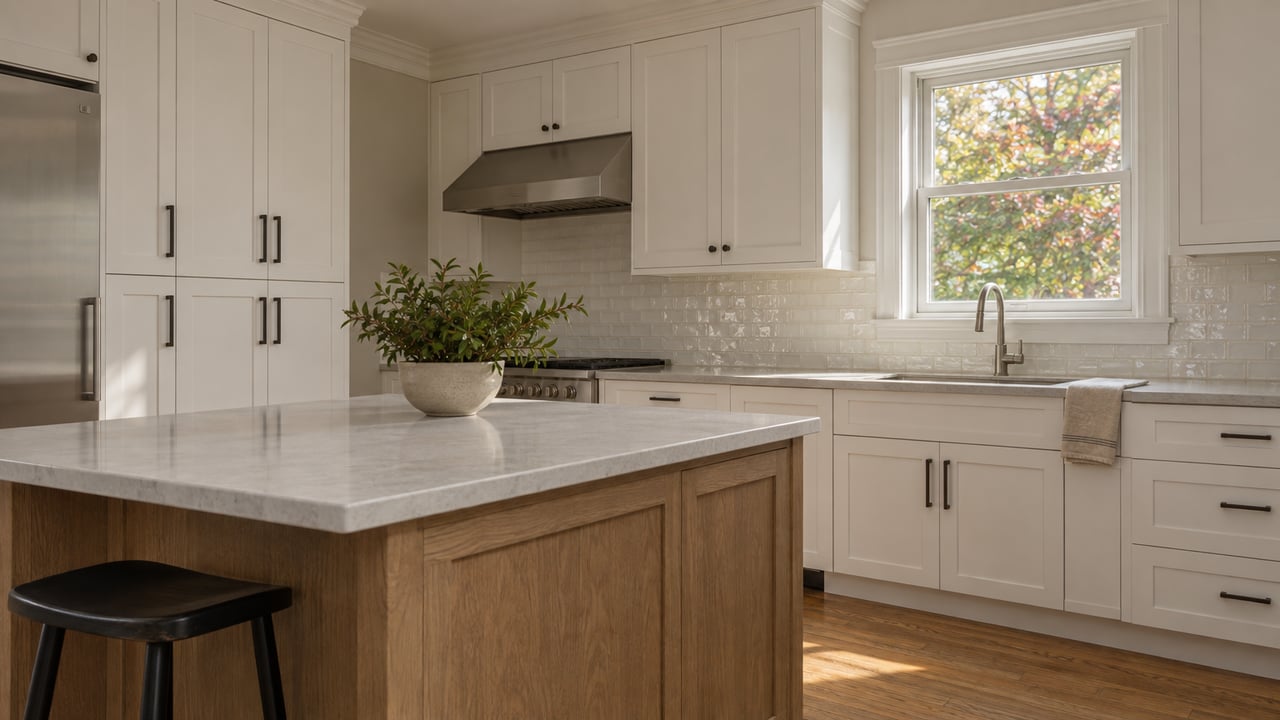
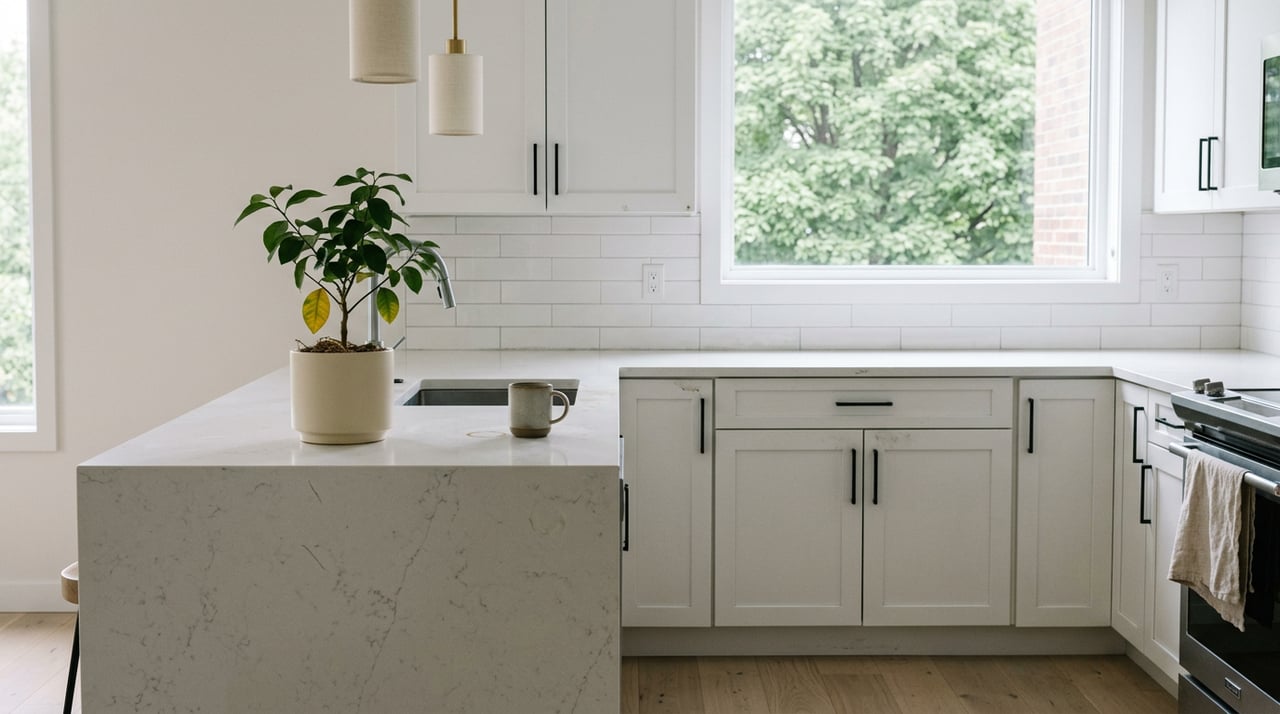
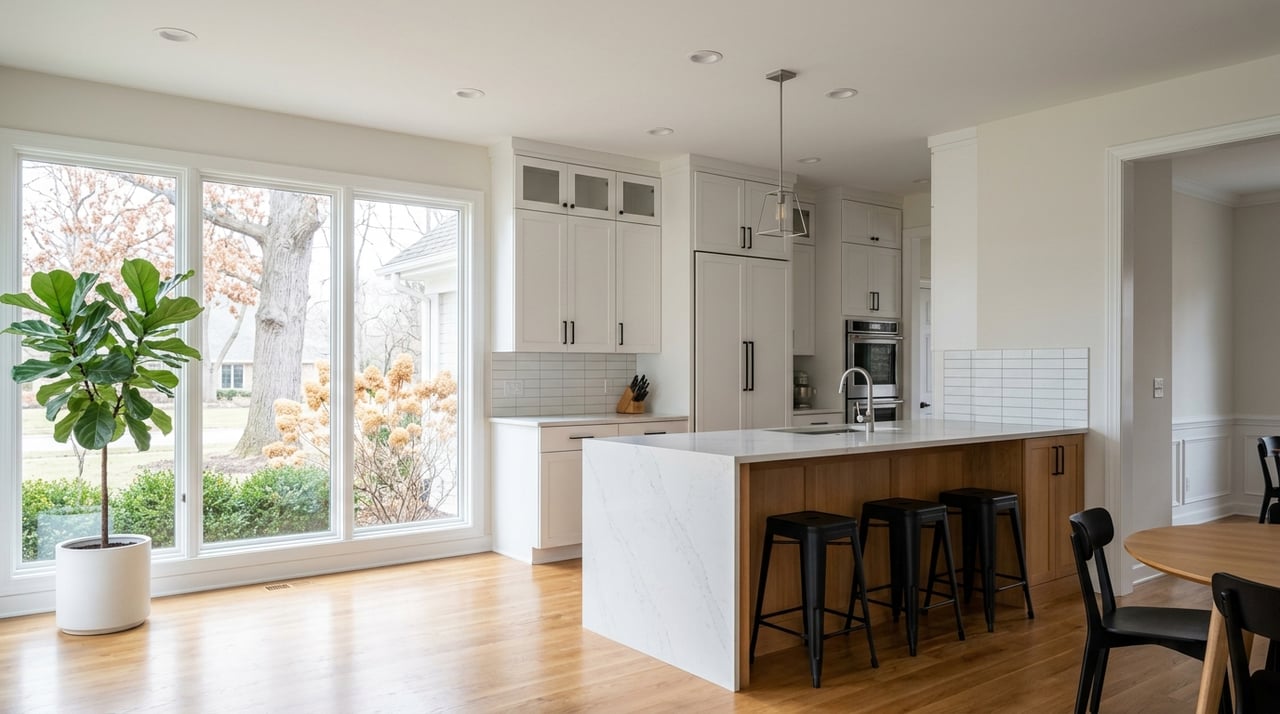
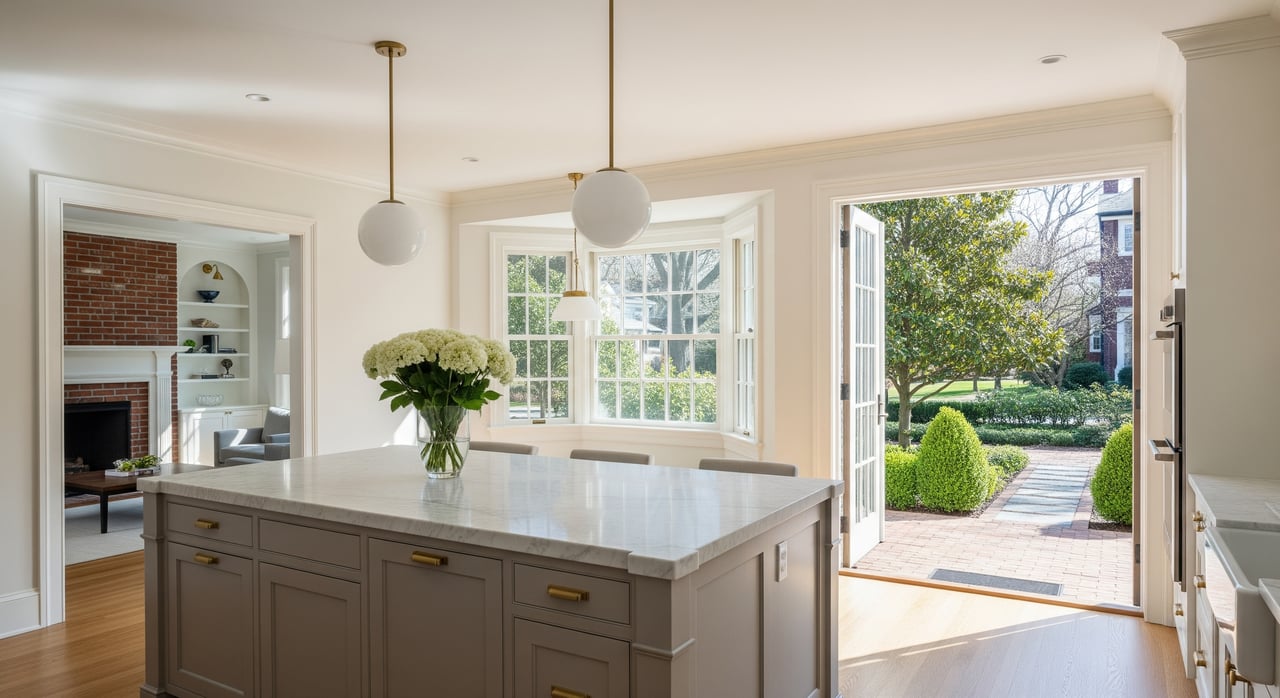
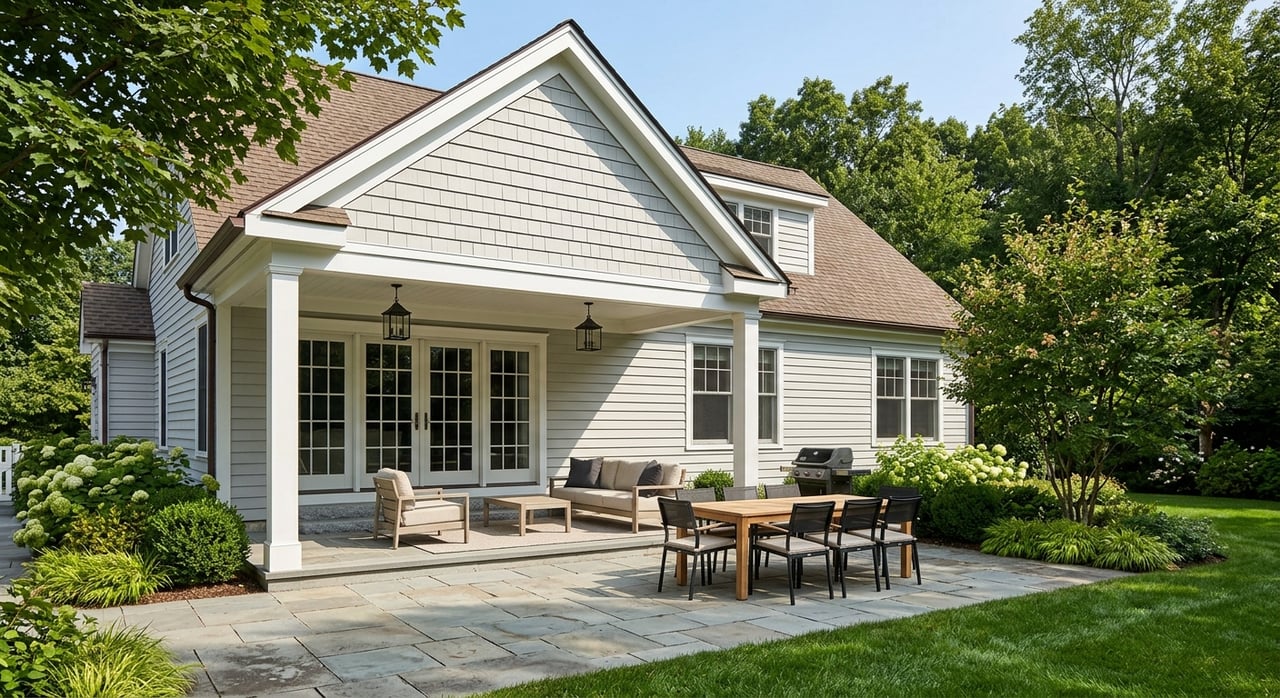
Presentation: 2026 buyers are financially stretched by elevated interest rates and have limited patience for projects. Move-in-ready condition is not a selling point — it is the expectation. Professionally staged homes with updated lighting, neutral palettes, and clean, functional kitchens command a meaningful premium over comparable homes in "as-is" condition. Outdoor space — even a modest patio or rear yard — deserves professional attention. In JP's green-conscious buyer pool, landscaped outdoor space consistently returns more than its cost.
Timing: JP follows the academic calendar. The peak selling window runs from late February through April, when buyer competition is highest and days on market are shortest. Summer listings face reduced competition from active buyers and typically yield 2% to 3% less than spring comparables. If your home isn't listed by May, the calculus shifts toward waiting for the following February.
Condo-Specific Note: If you are selling a unit in a converted multi-family, get your HOA documents in order before you list. Lenders are conducting more rigorous condo reviews in 2026, and a disorganized or underfunded association can derail a transaction weeks into the process.
JP rewards buyers who understand the neighborhood's micro-geography. The blocks around Jamaica Pond, the streets near Stony Brook Station, and the emerging corridor around Egleston Square are not interchangeable — each has a distinct price profile, buyer profile, and set of trade-offs.
Get a fully underwritten pre-approval. Standard letters are not competitive in this market. Work with a lender who can complete income, asset, and credit review before you make an offer.
Target stale listings strategically. Any property that has been sitting for more than 21 days in JP is either overpriced or has a characteristic that repelled the "turnkey" buyer pool. Both scenarios can represent negotiating leverage for a buyer who has done their homework and is willing to look past surface-level issues.
Scrutinize condo association health before anything else. The majority of JP's housing stock consists of condos in converted multi-family buildings. A poorly managed or underfunded association is your single greatest financial risk, more so than the mortgage itself in many cases. Request reserve fund balances and meeting minutes from the past two years before you get emotionally invested.
Factor in transit proximity. Properties within a seven-minute walk of Stony Brook or Green Street stations carry a 10% to 15% price premium — and for good reason. If that premium is a stretch, the Roslindale border along lower Washington Street frequently offers an additional bedroom for the same price as a smaller JP unit closer to the T.
Know where the value is moving. Egleston Square and Forest Hills are the neighborhoods' active value plays. Buyers priced out of Pondside or Central JP will find better entry points there, with comparable access to the Orange Line and strong appreciation potential tied to ongoing city investment.
Pricing strategy in JP comes down to understanding buyer psychology as much as it does comparable sales data. The two tools work together.
Start with the fundamentals: pull the last three sales within a quarter-mile radius completed in the past 90 days. The JP market is currently pricing at $640 to $700 per square foot for condos and multi-family units. Anchor your list price at or just below the median of those comparables to maximize your presence in filtered search results on Zillow, Redfin, and similar platforms.
The $1,000,000 threshold deserves specific attention. If your home's market value is in the $1.0 to $1.1 million range, pricing at $995,000 is not leaving money on the table — it is a deliberate strategy to capture the full universe of buyers whose search filters cut off at seven figures. In a neighborhood with JP's buyer competition, properties priced just below that threshold routinely attract enough offers to close above it.
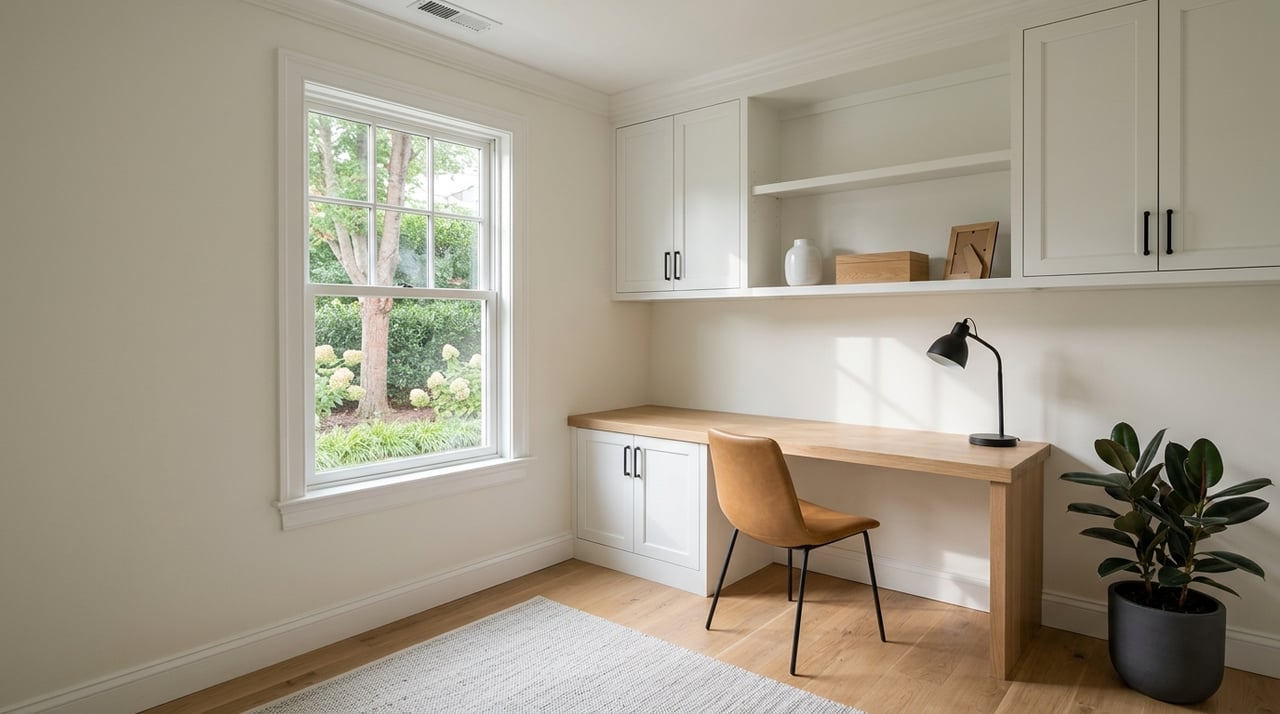
If your property includes a room that functions as a dedicated home office, market it explicitly. JP's workforce skews heavily remote and hybrid. A usable office space — not a flex room, but an actual office — adds demonstrable value to this buyer pool and should be featured prominently in your listing description and photography.
Seasonal timing is not optional. February through April is the window. Everything else requires a discount or additional patience.
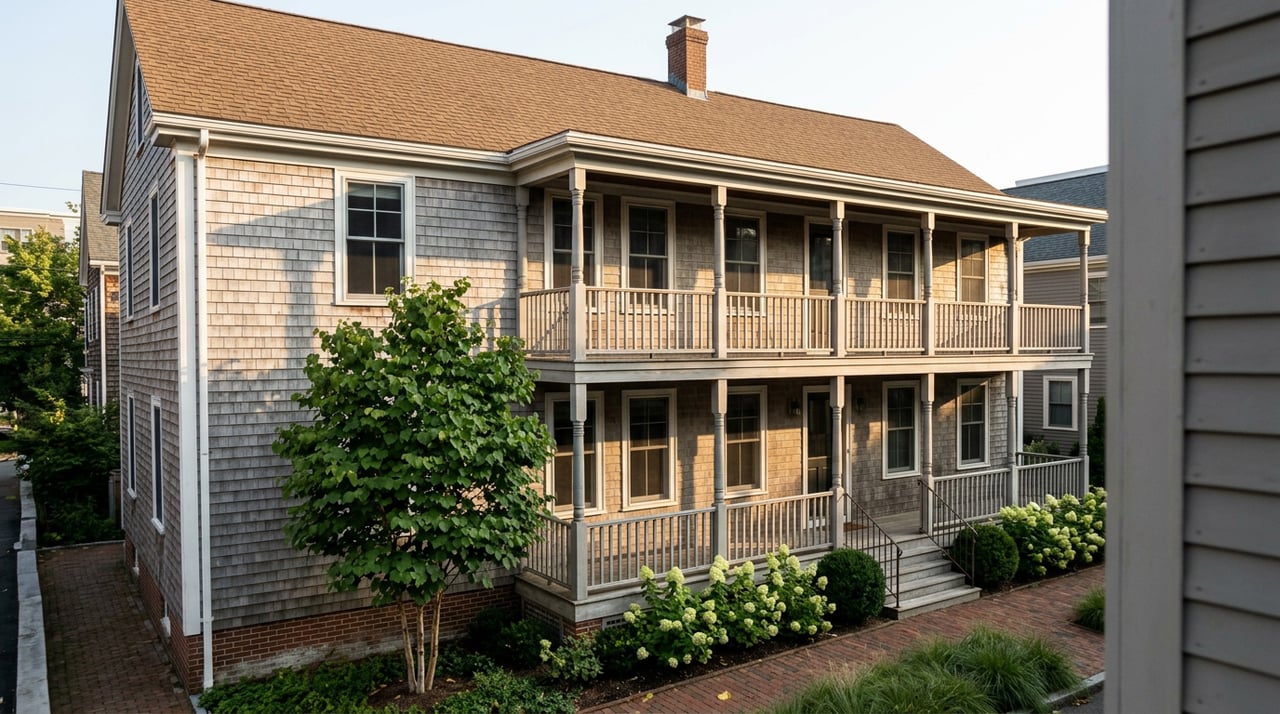
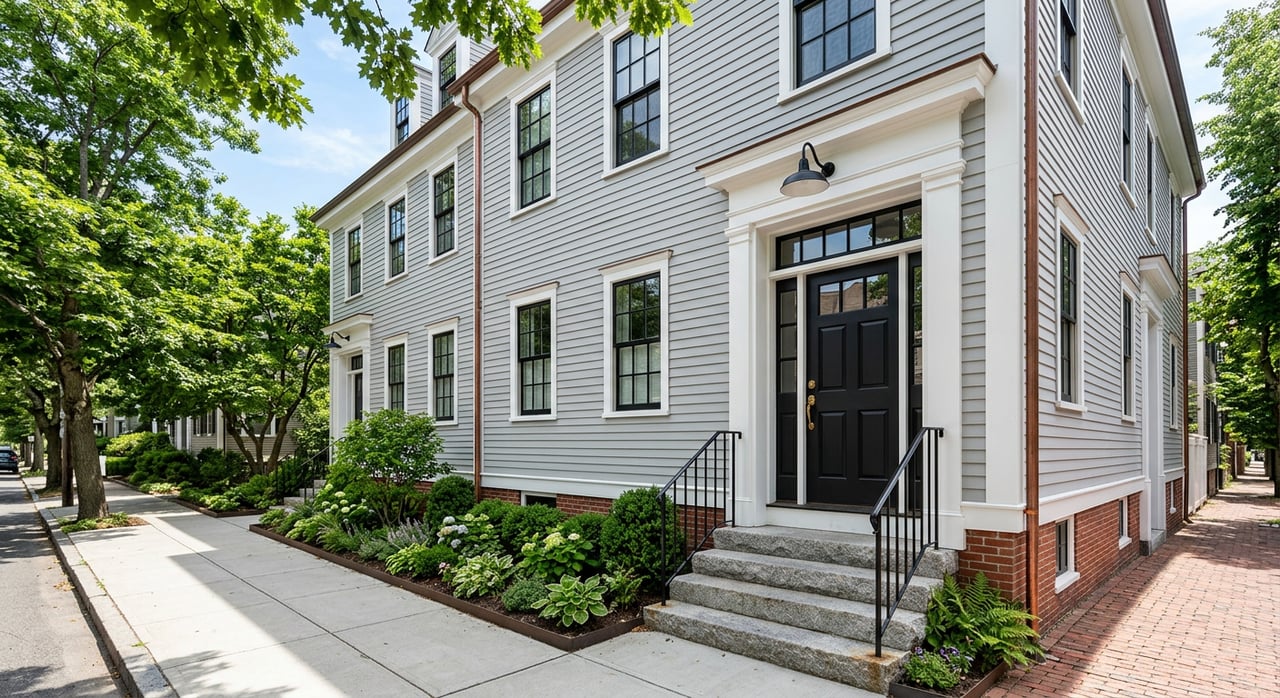
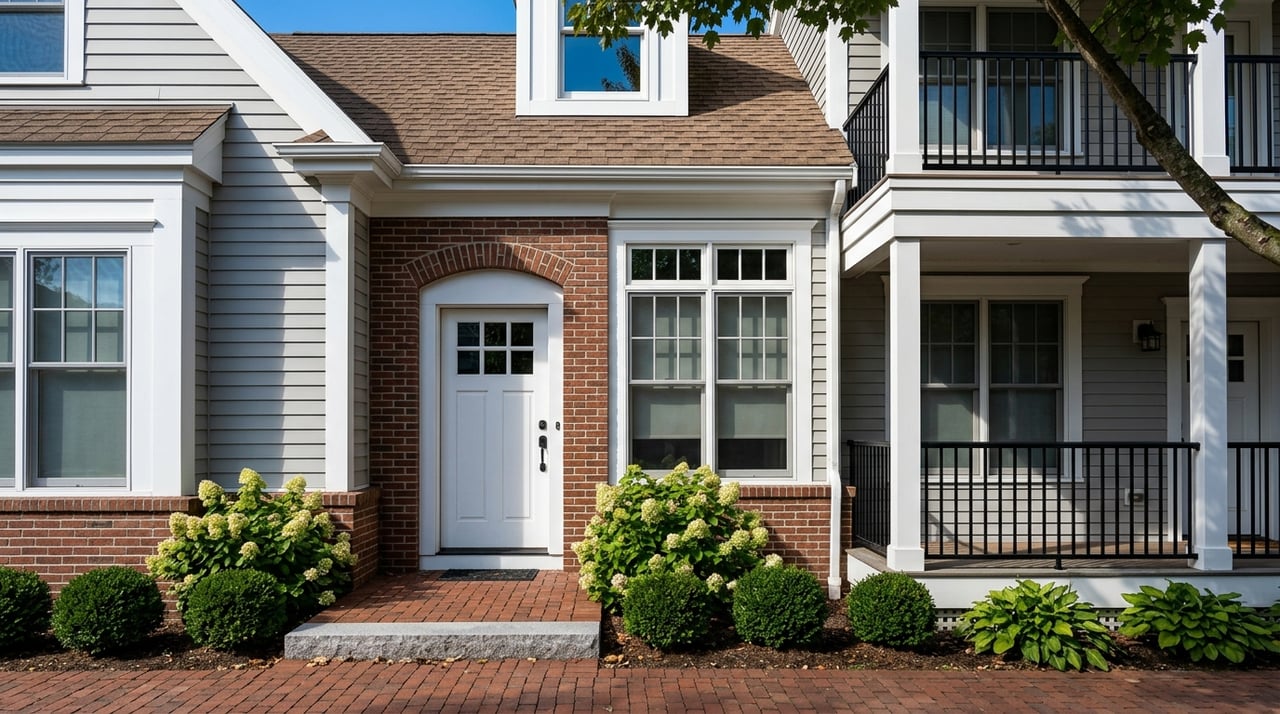
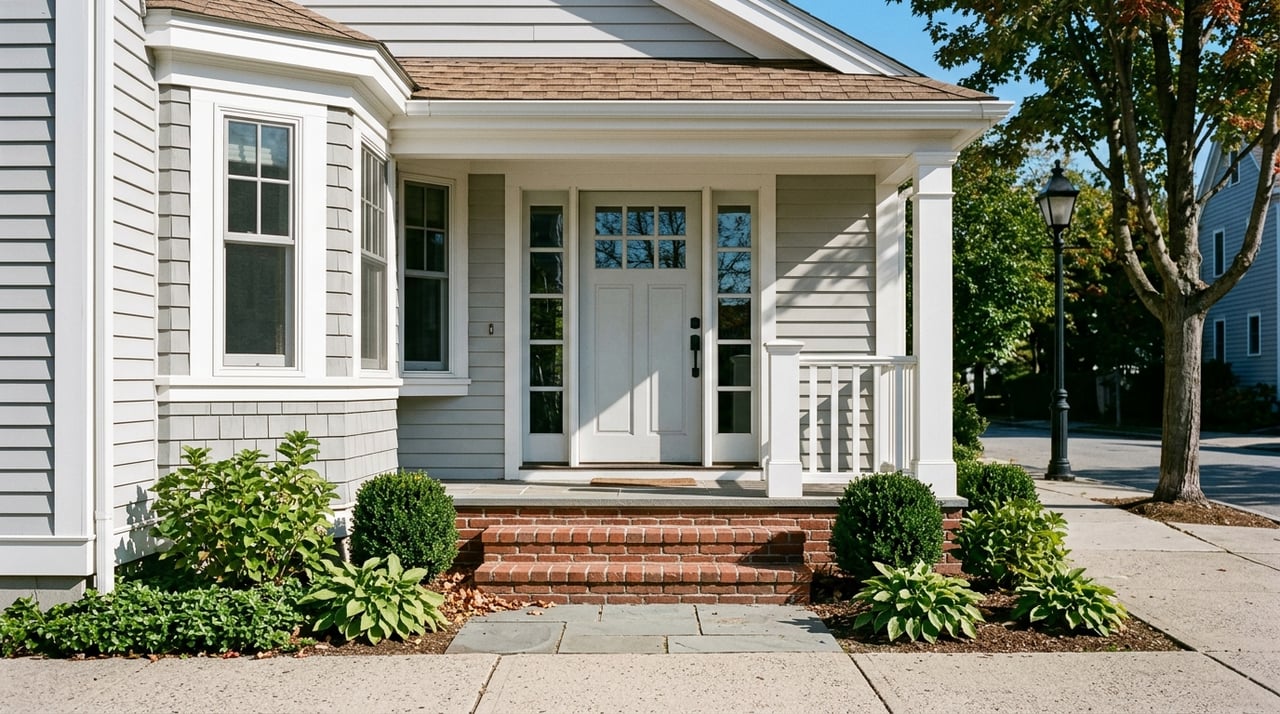
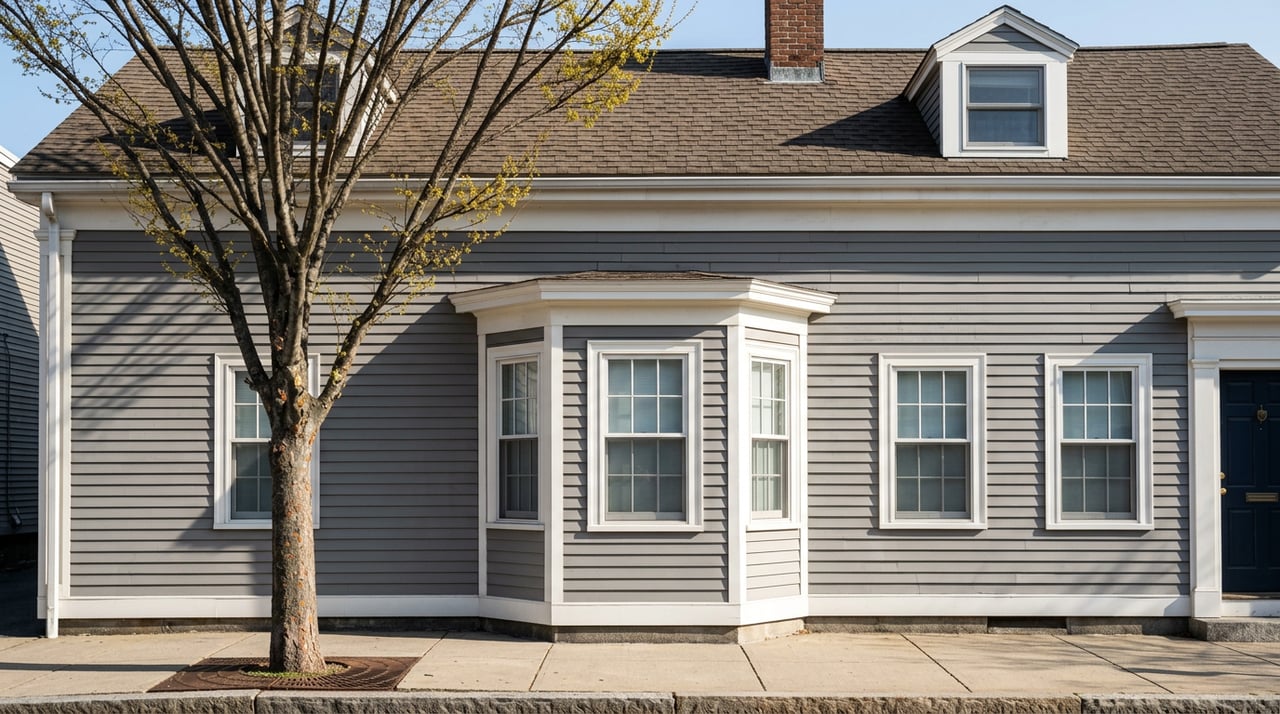
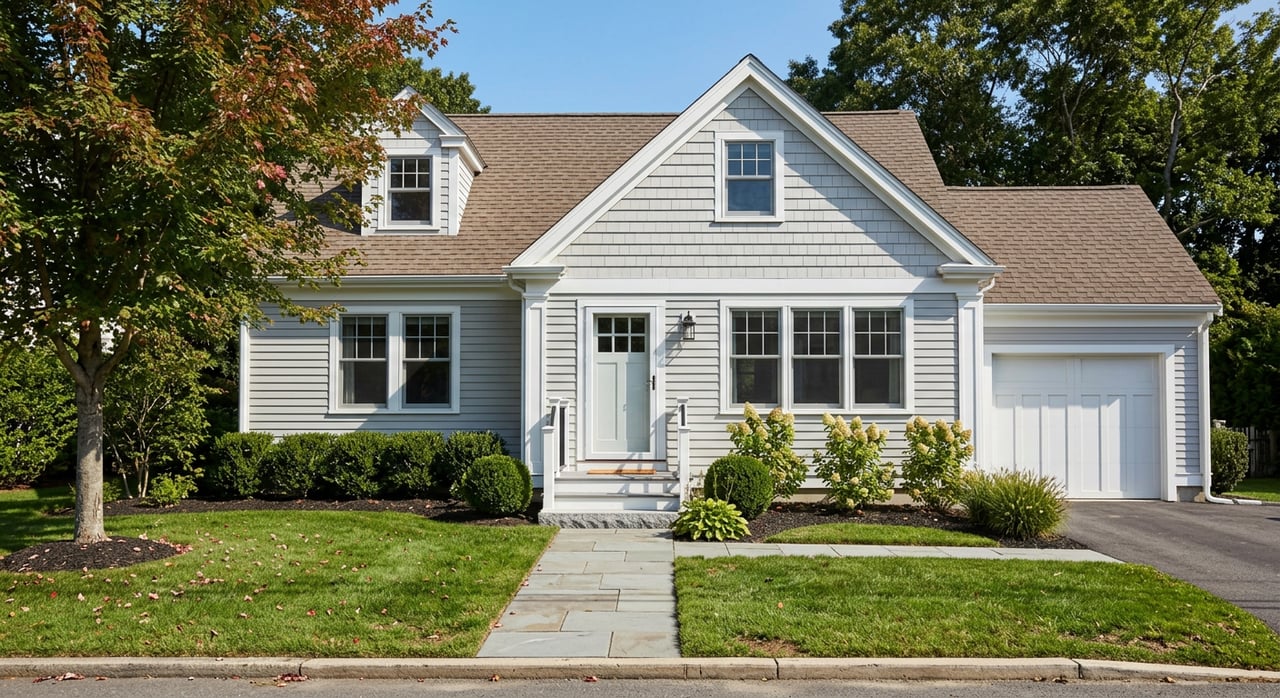
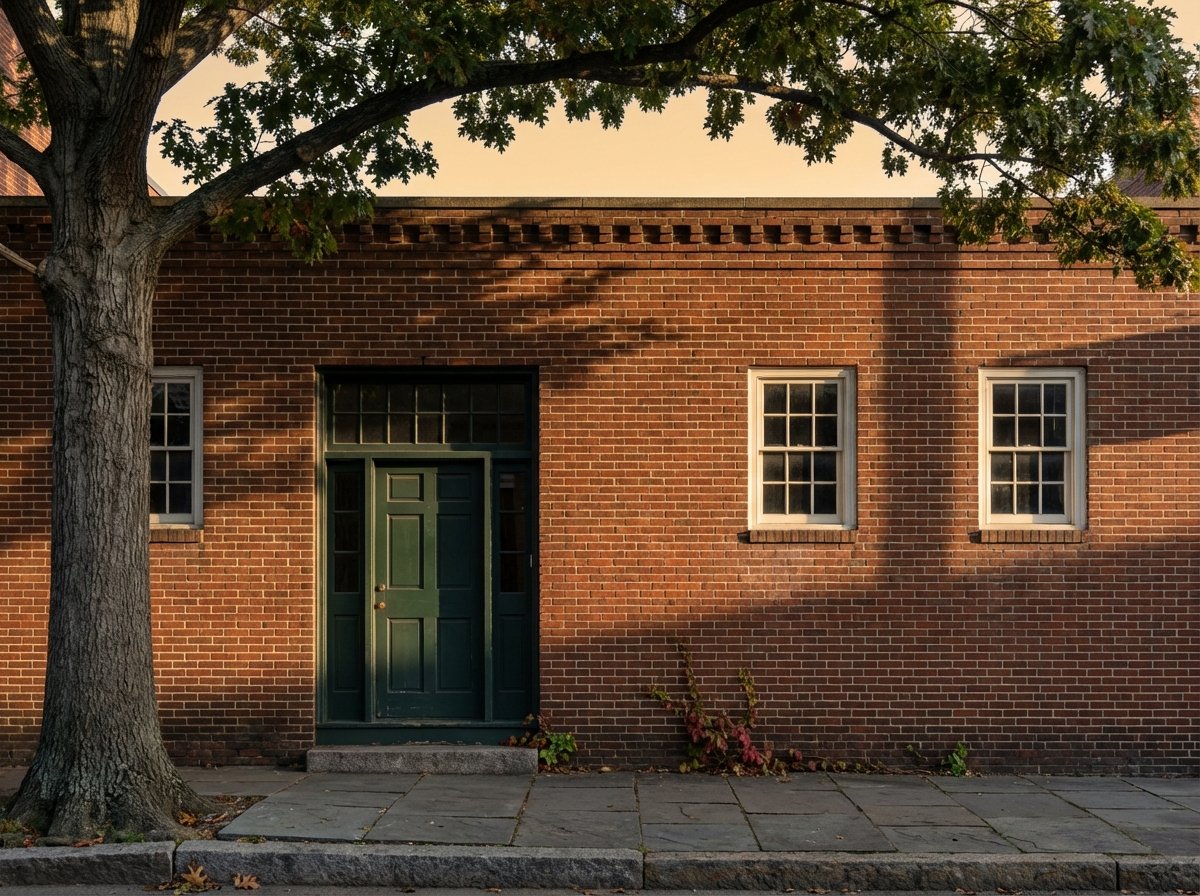
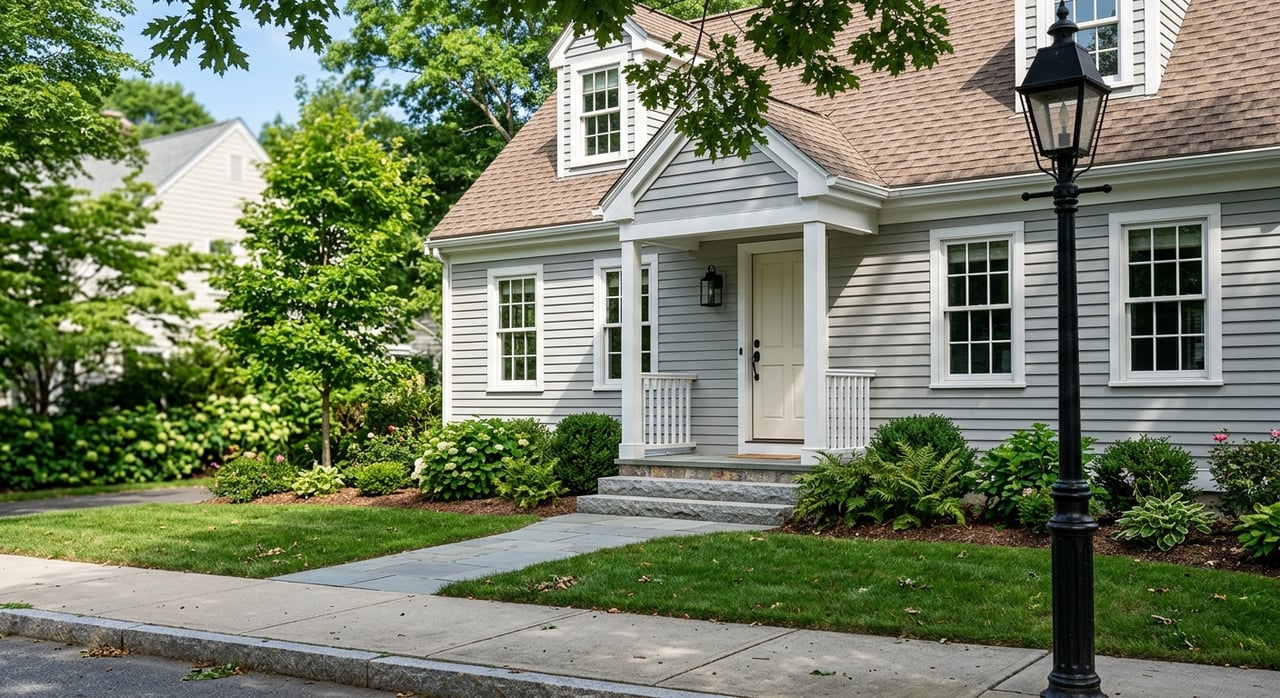
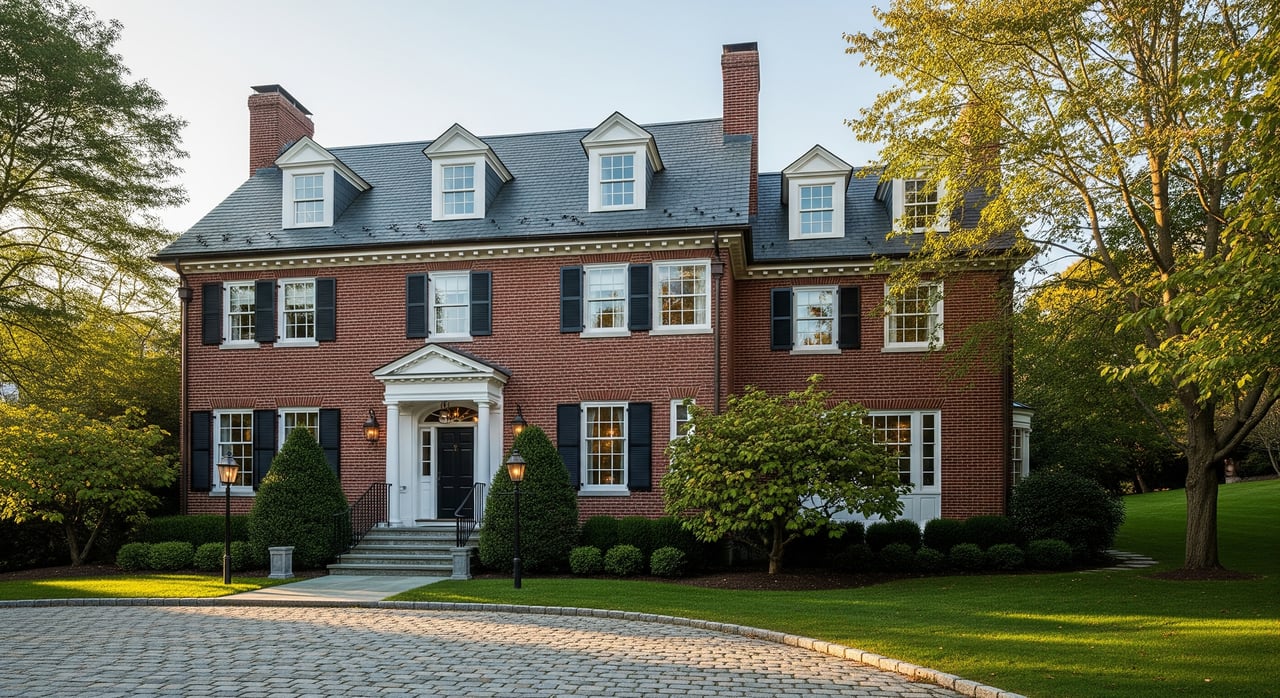
The built environment of Jamaica Plain is effectively a curated survey of Boston's residential architectural history. Few neighborhoods in the city can show buyers this much range within a single zip code.
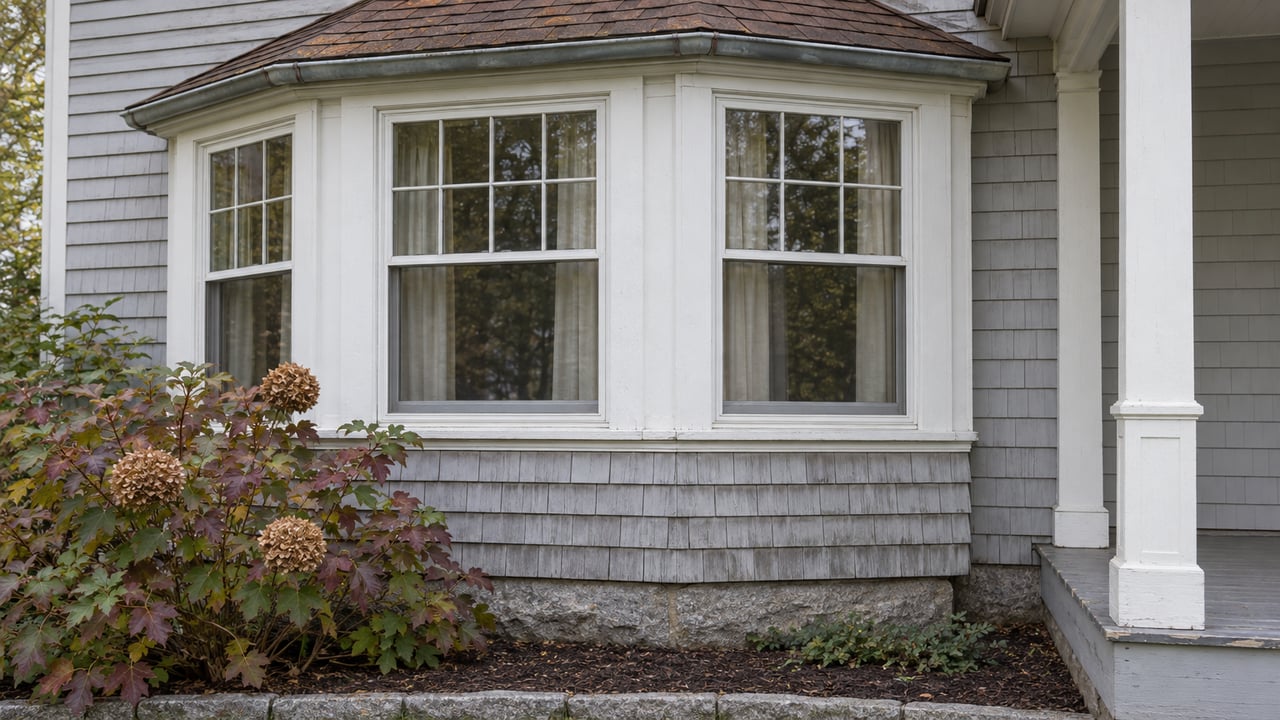
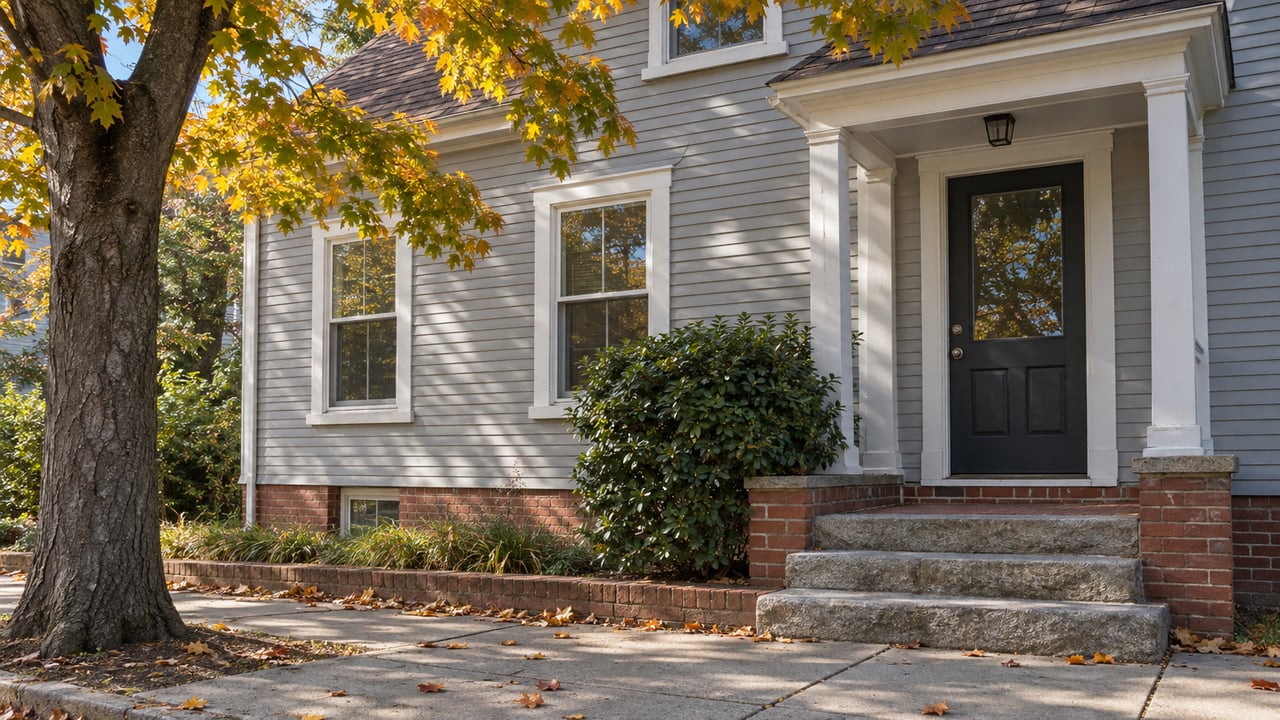
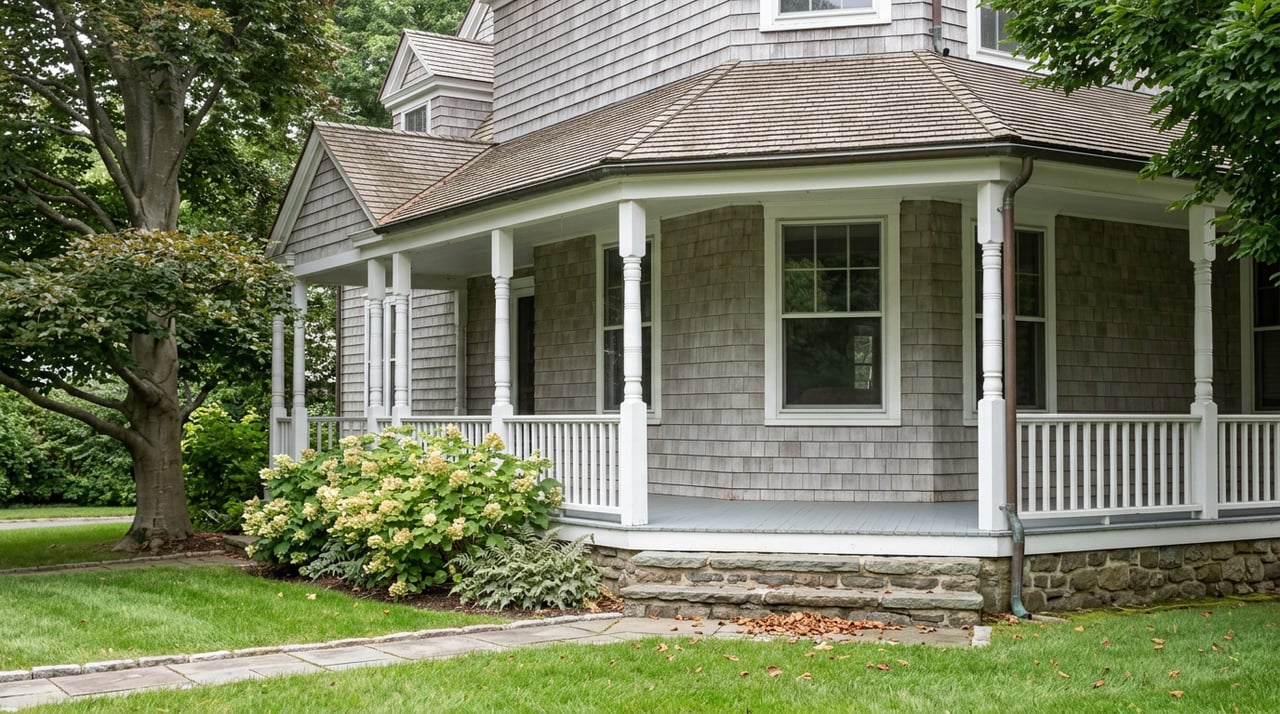
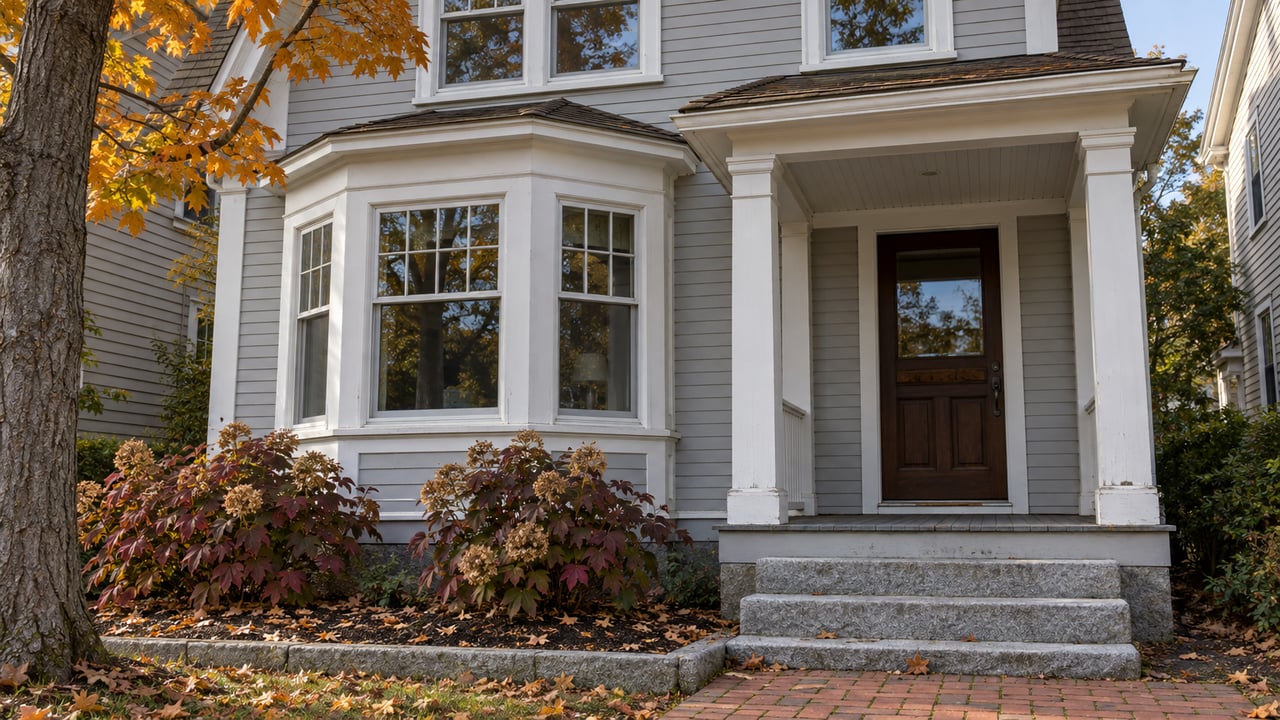
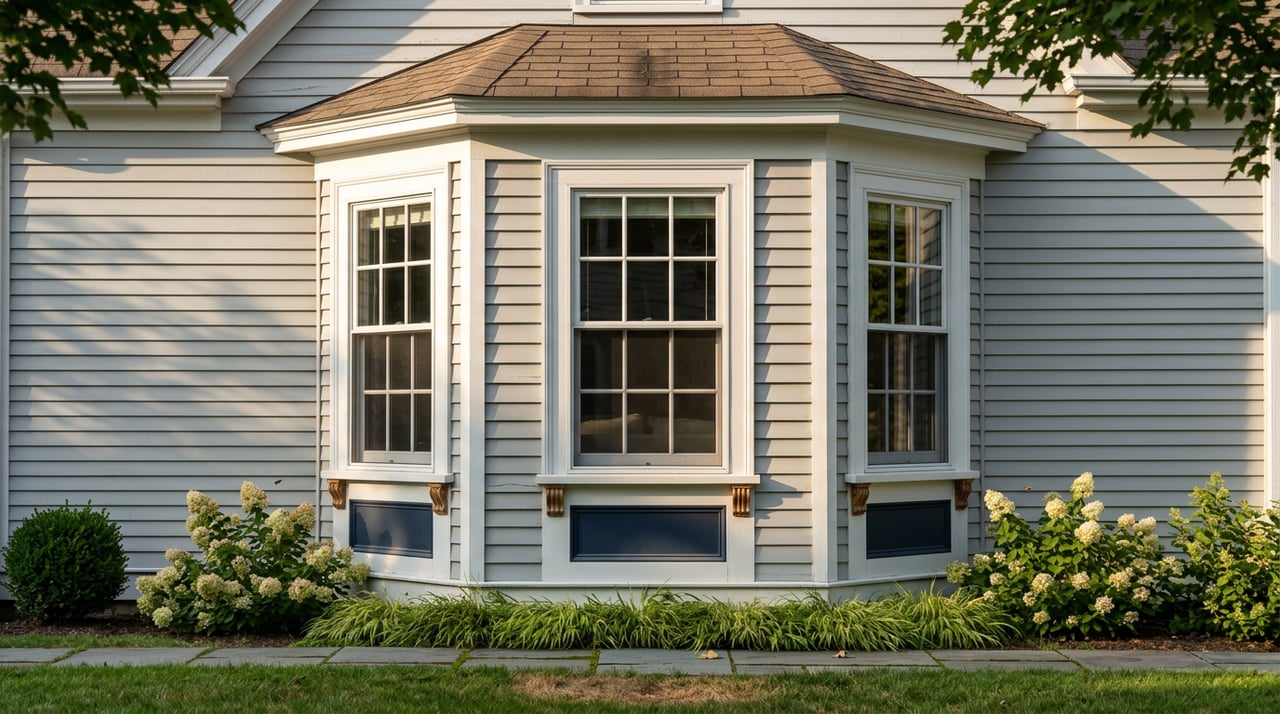
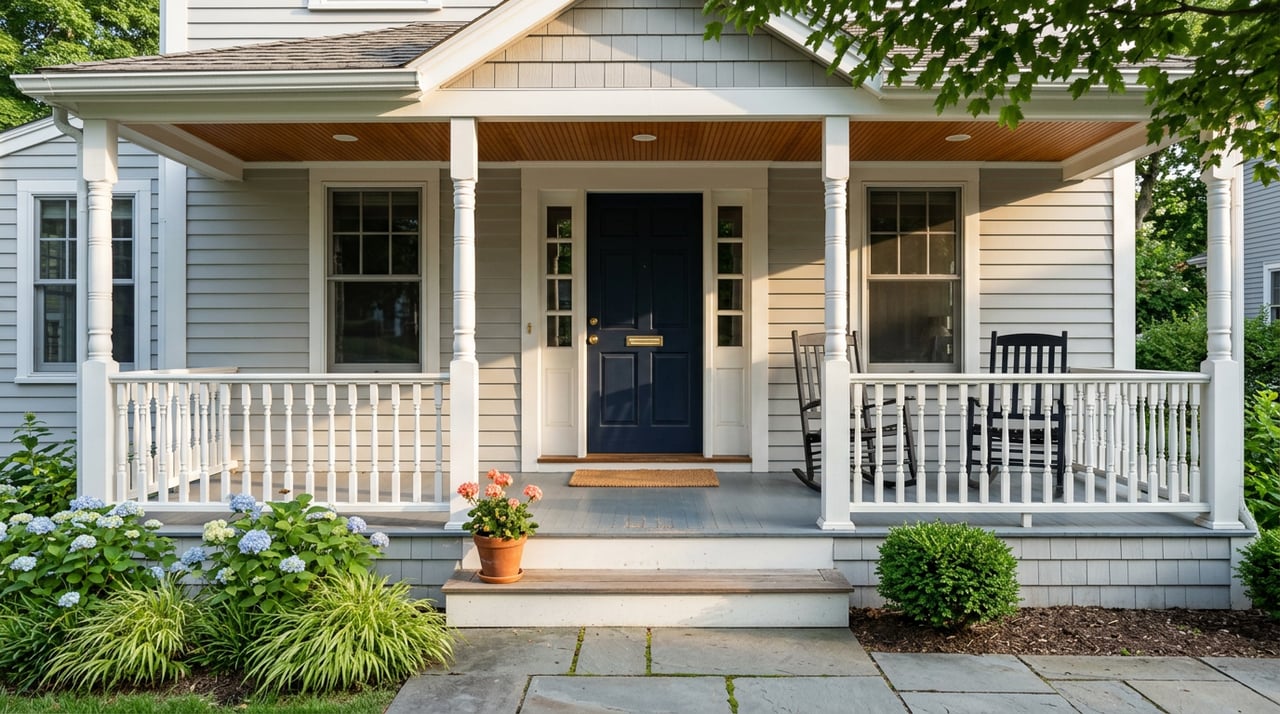
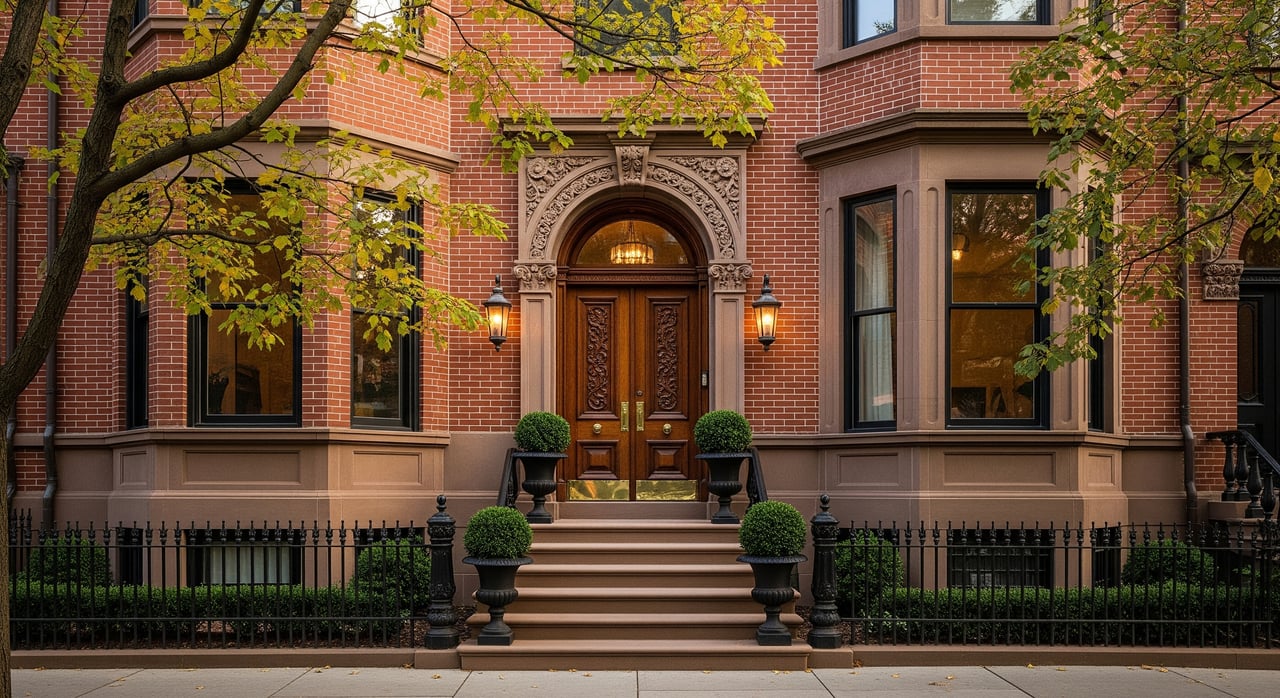
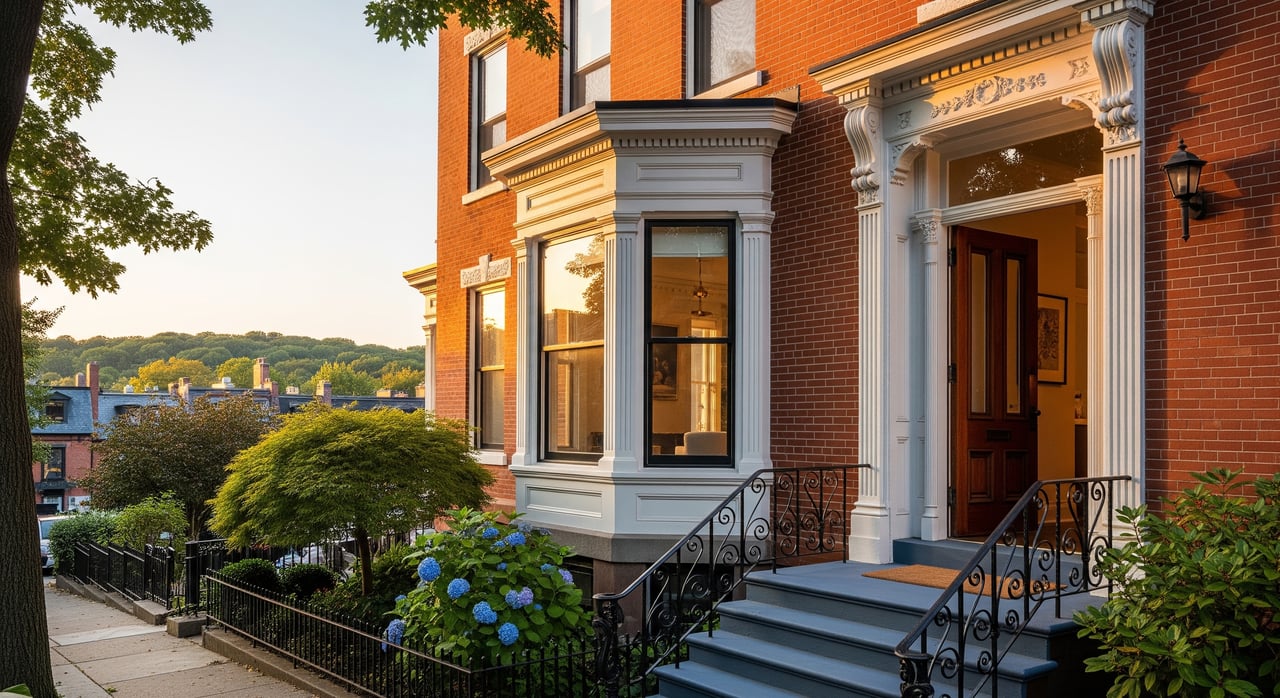
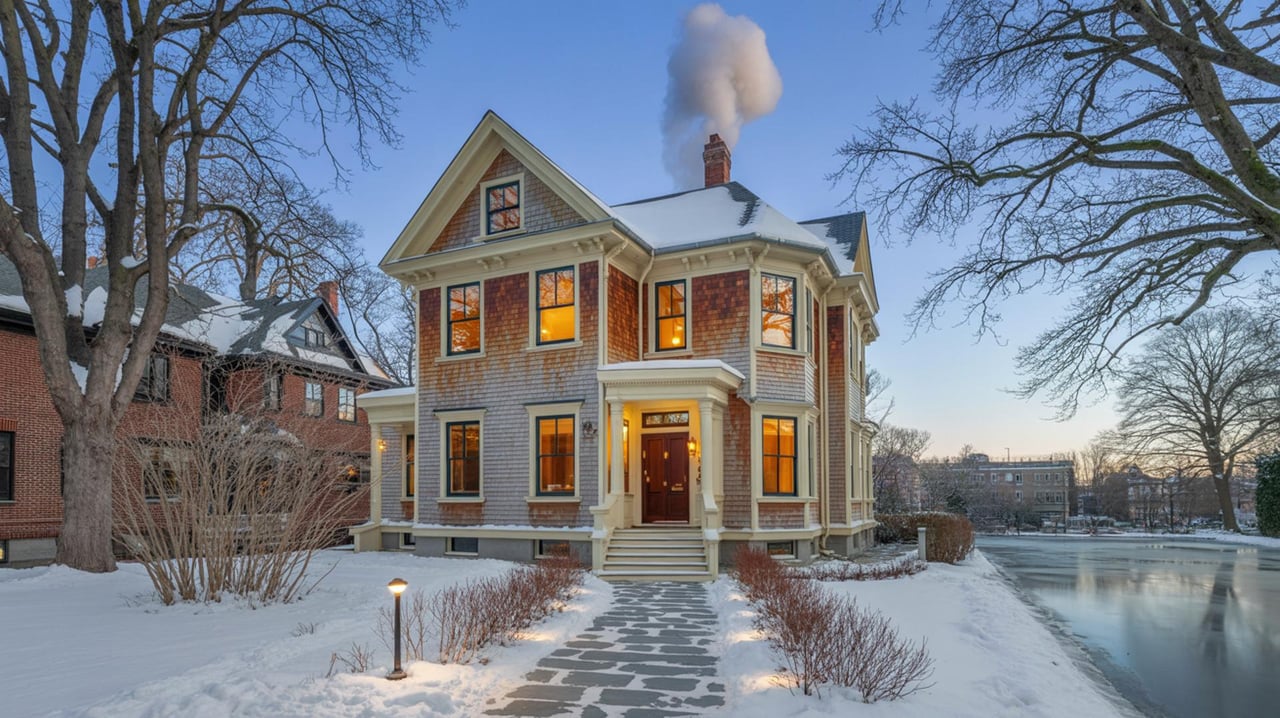
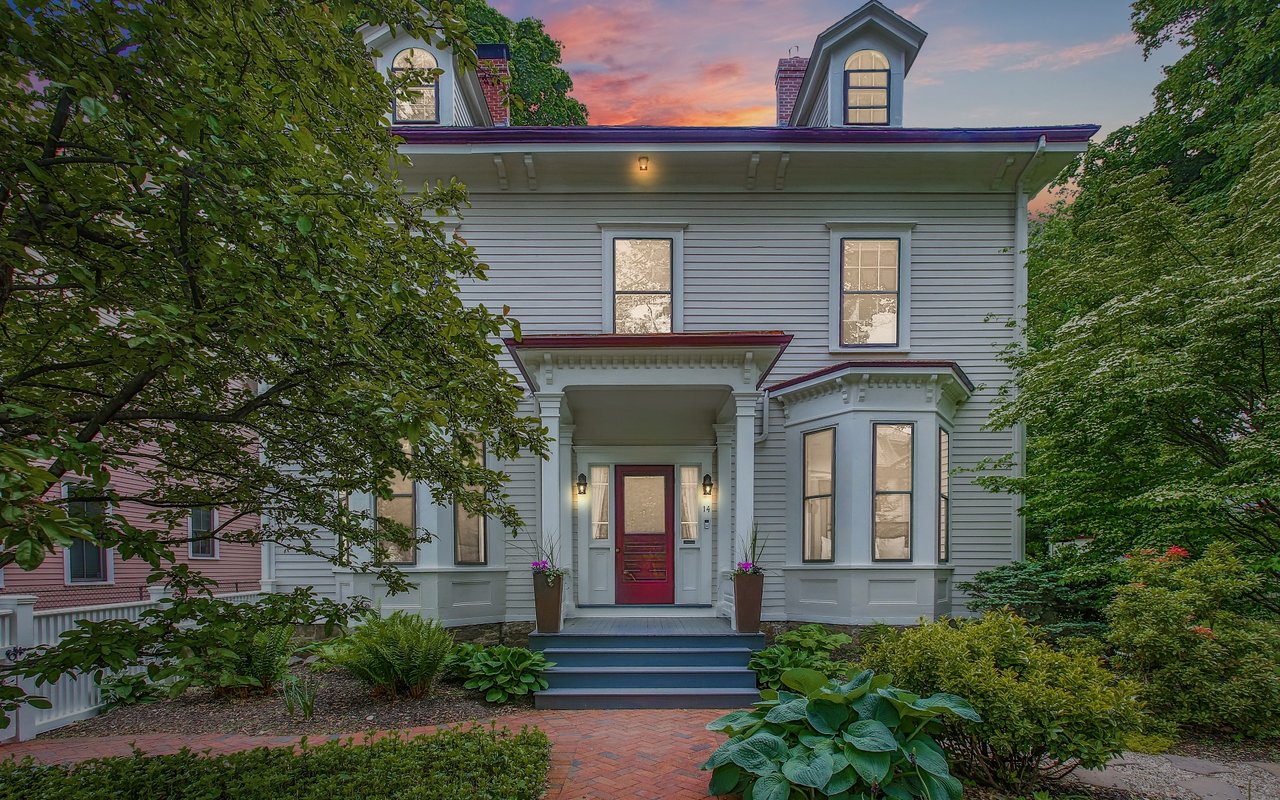
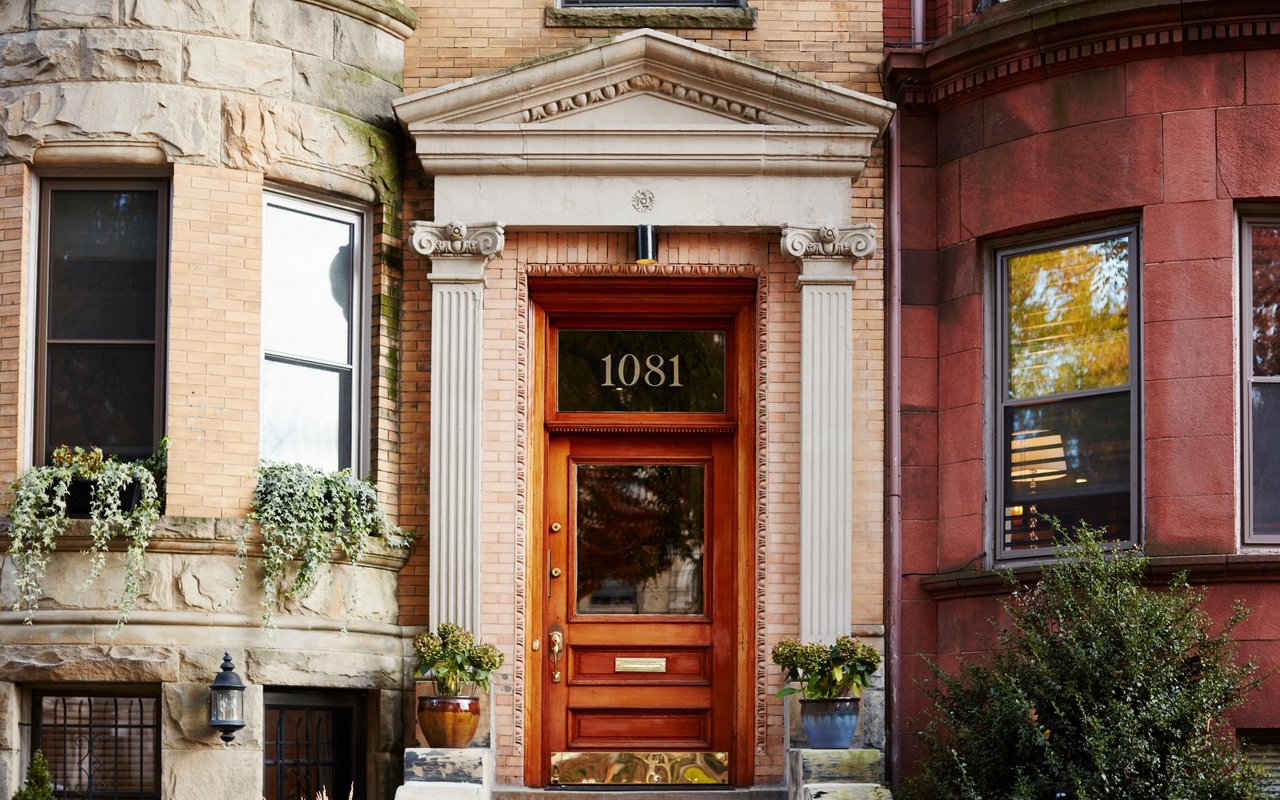
Victorian and Stick Style (Sumner Hill): The neighborhood's most coveted addresses sit here. Grand Queen Annes and Stick Victorians with wraparound porches, decorative gingerbread trim, and original bay windows define the streetscape on the hill above Centre Street. These homes are rarely on the market, and when they are, they move quickly.
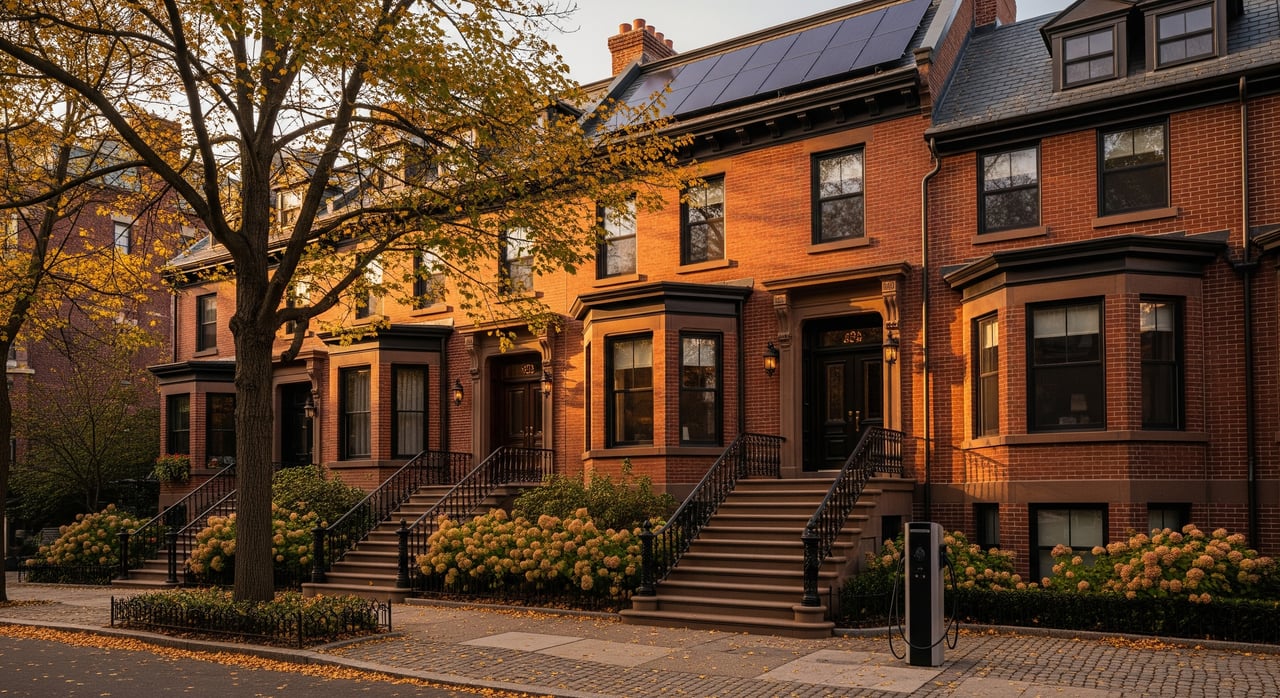
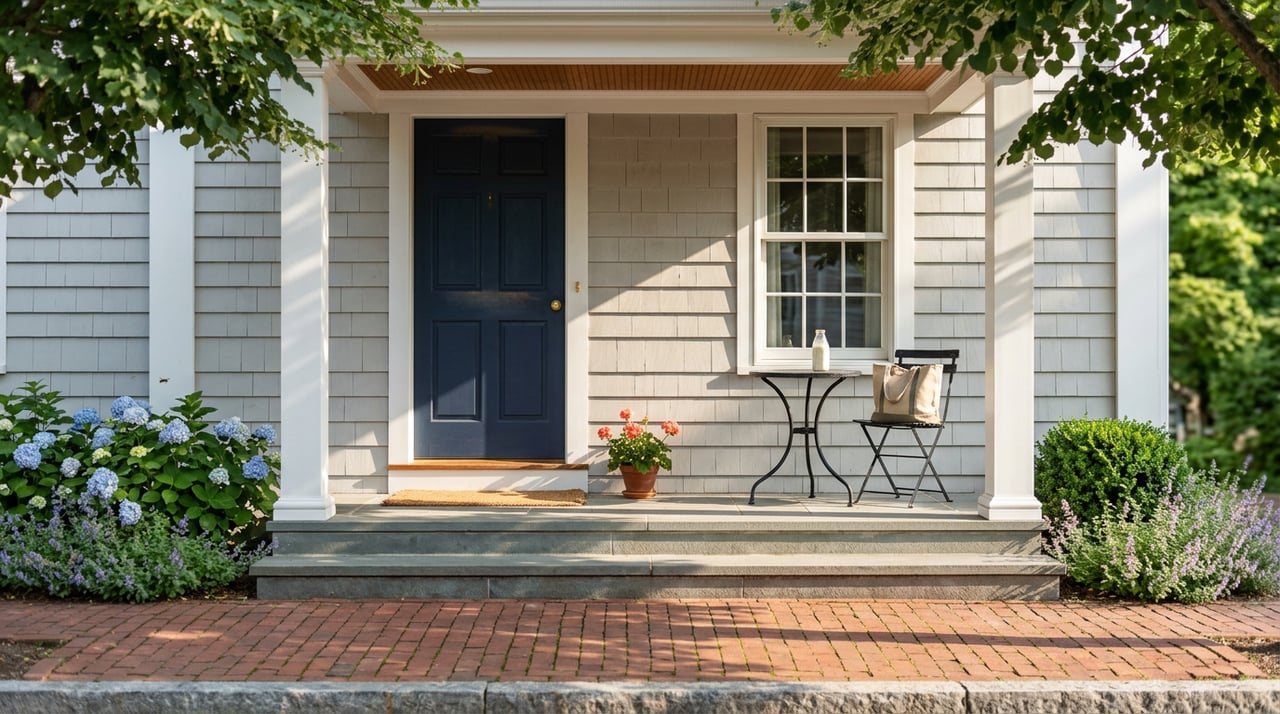
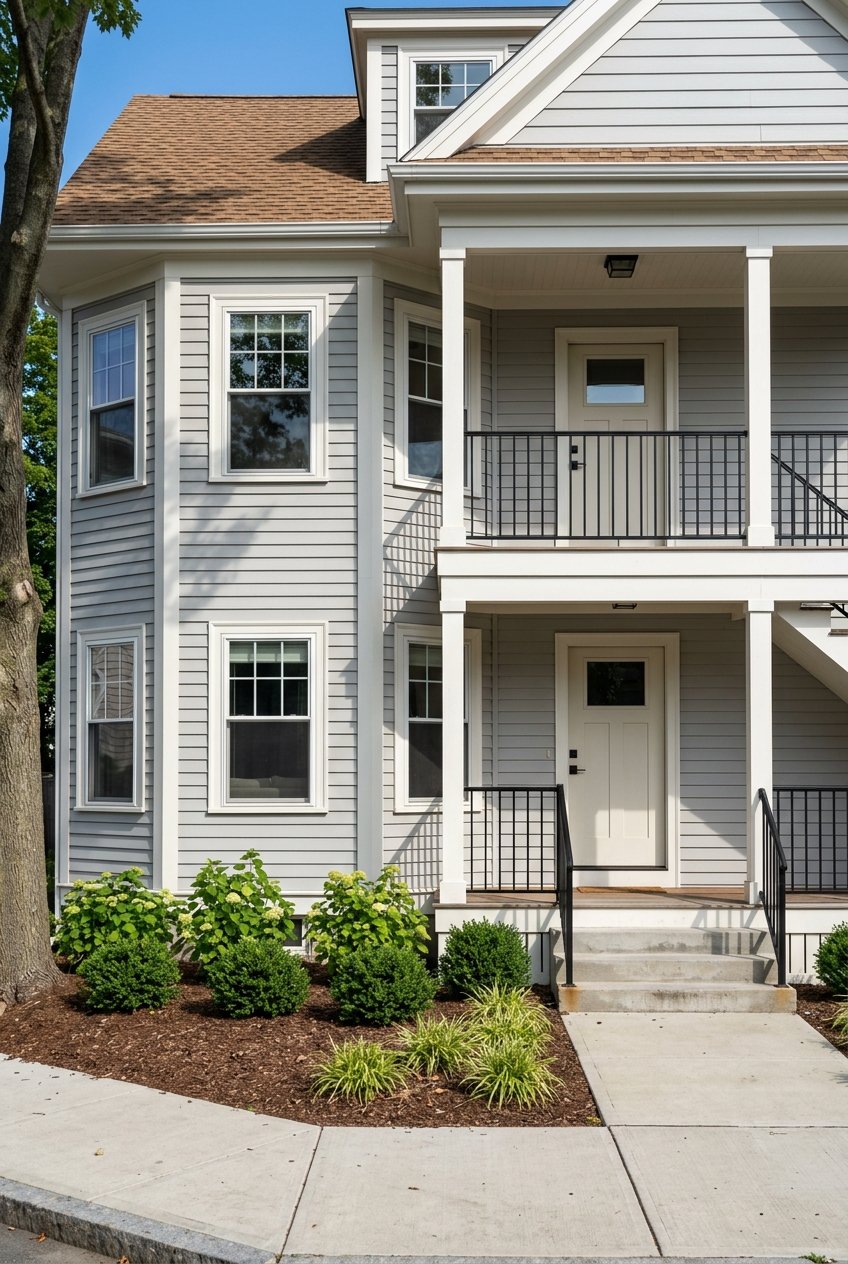
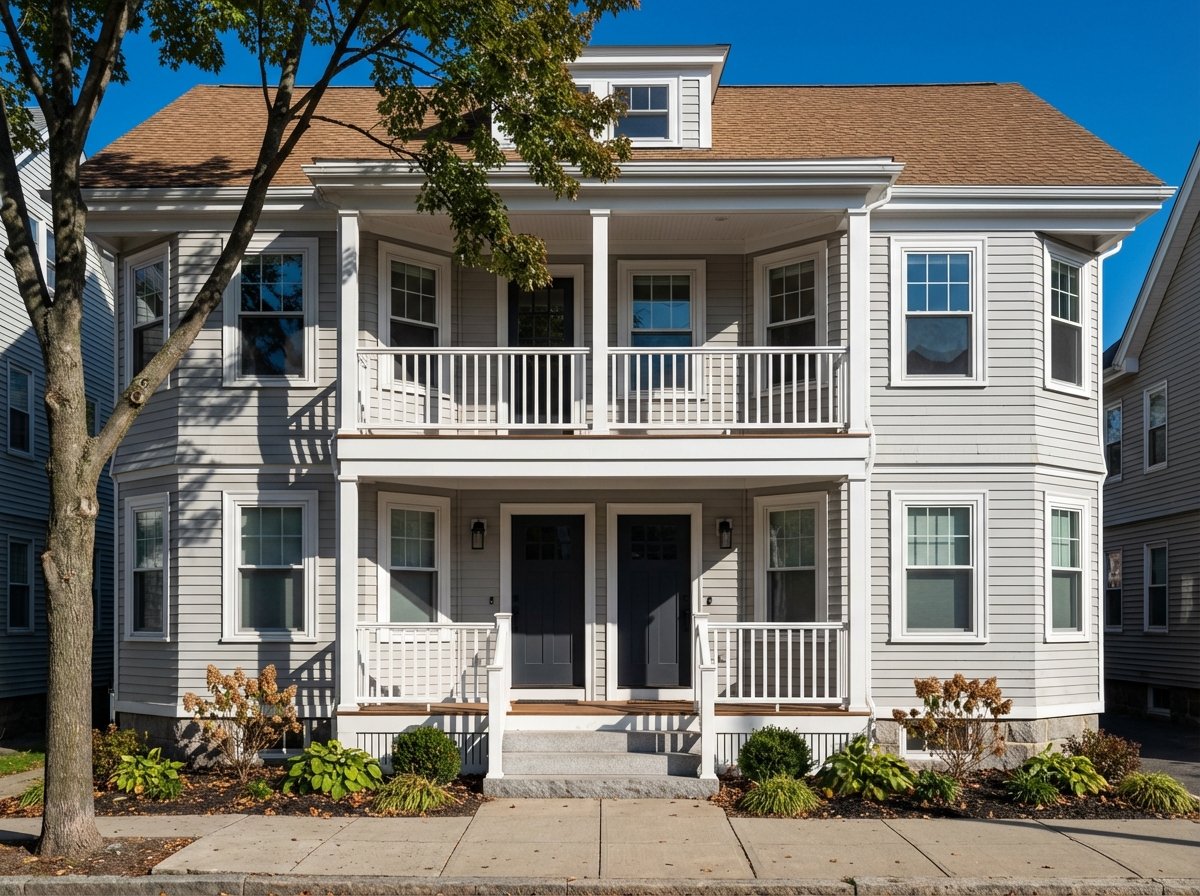
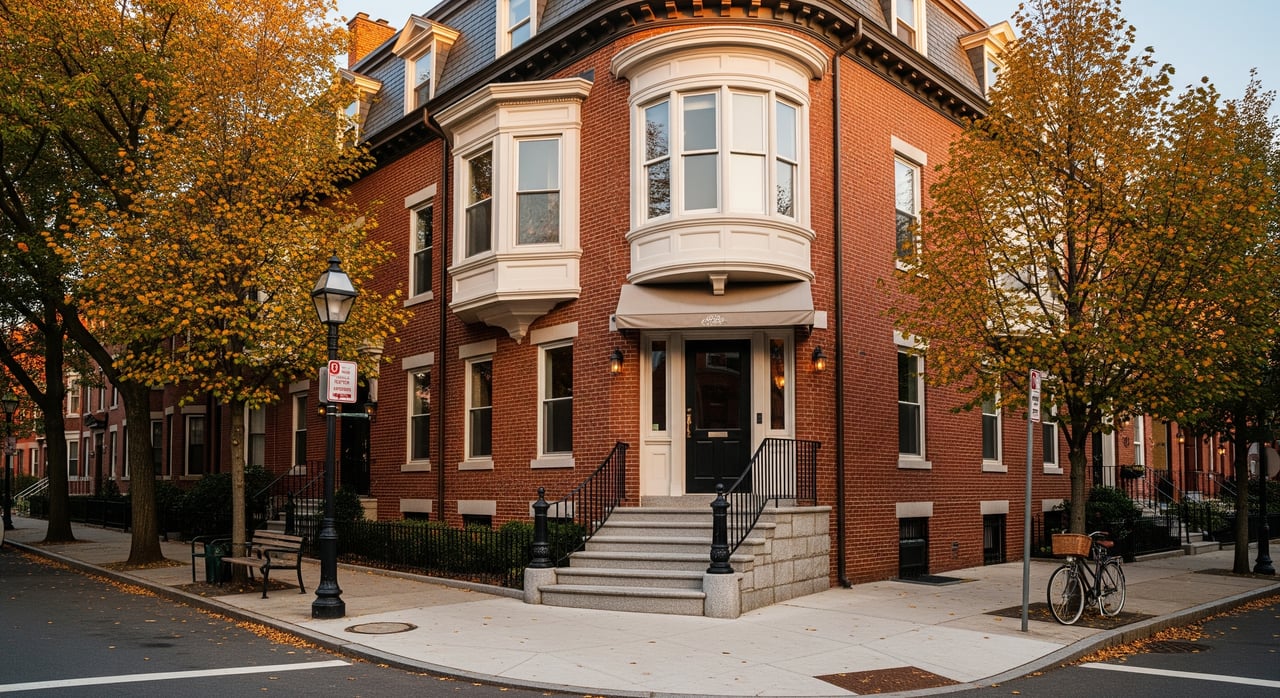
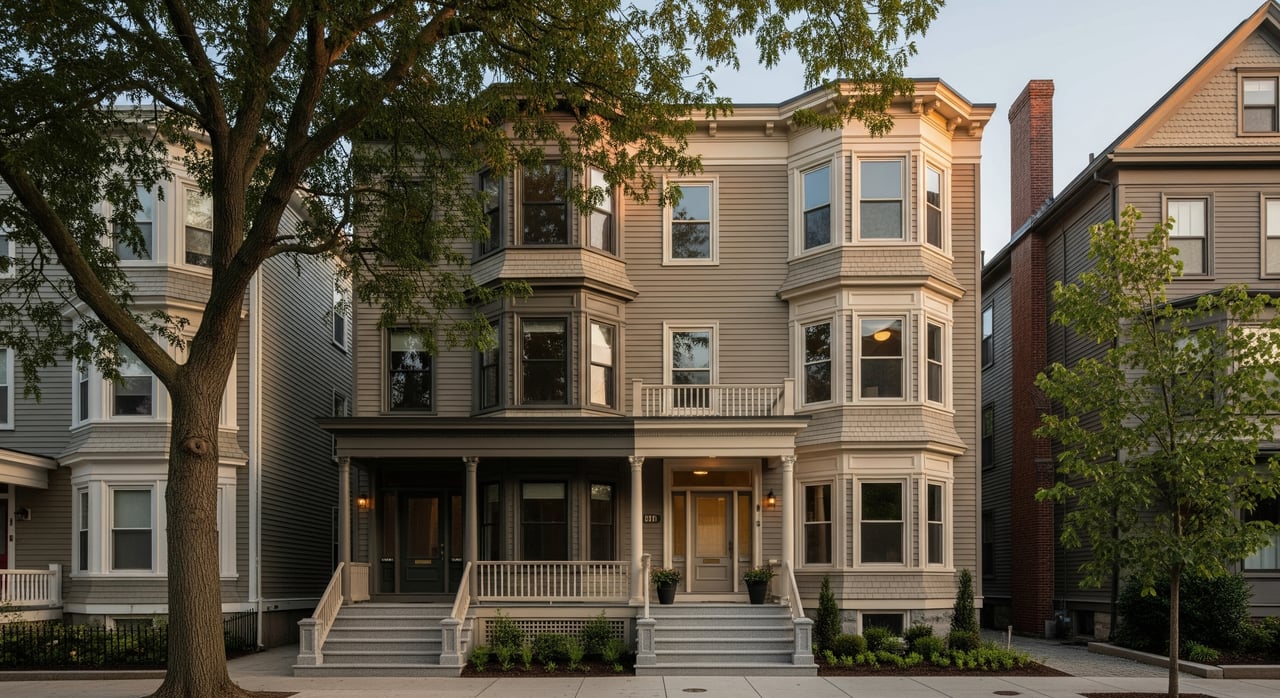
Classic Triple-Deckers: The architectural symbol of JP and much of working-class Boston. Most have been converted to individual condos over the past two decades. They offer front and back porches, built-in china cabinets, high ceilings, and the kind of physical character that new construction consistently fails to replicate.
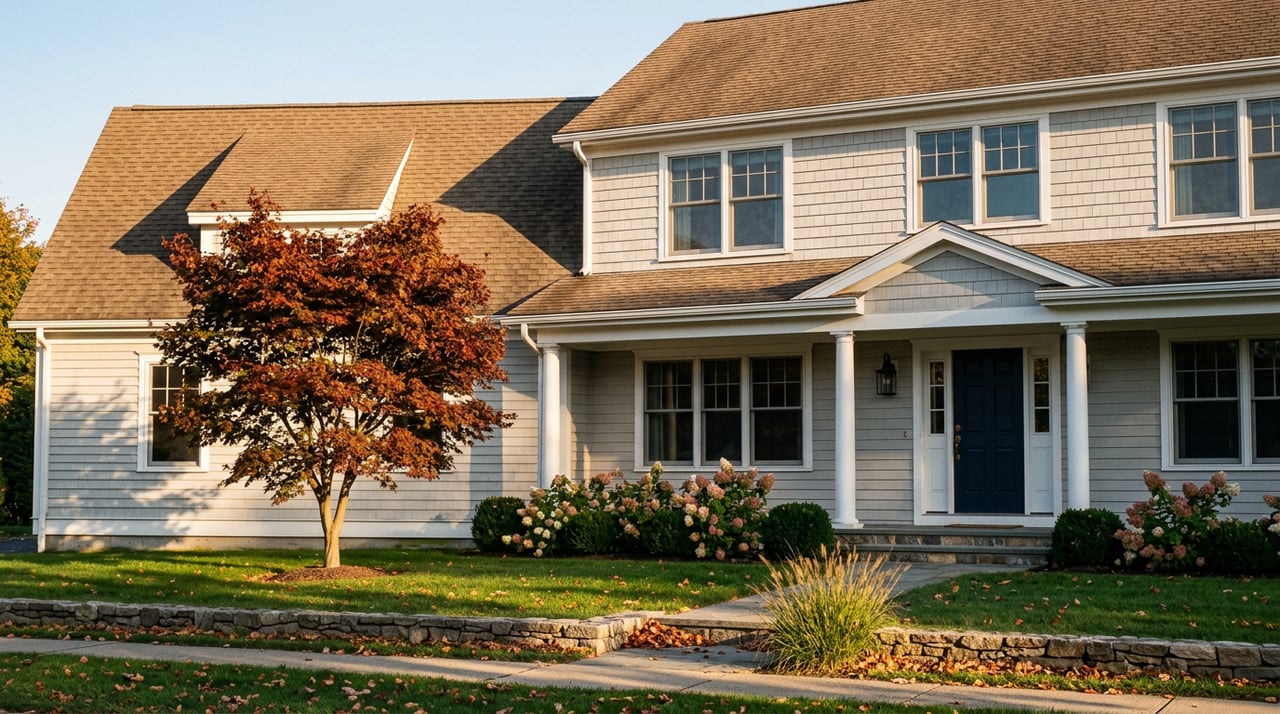
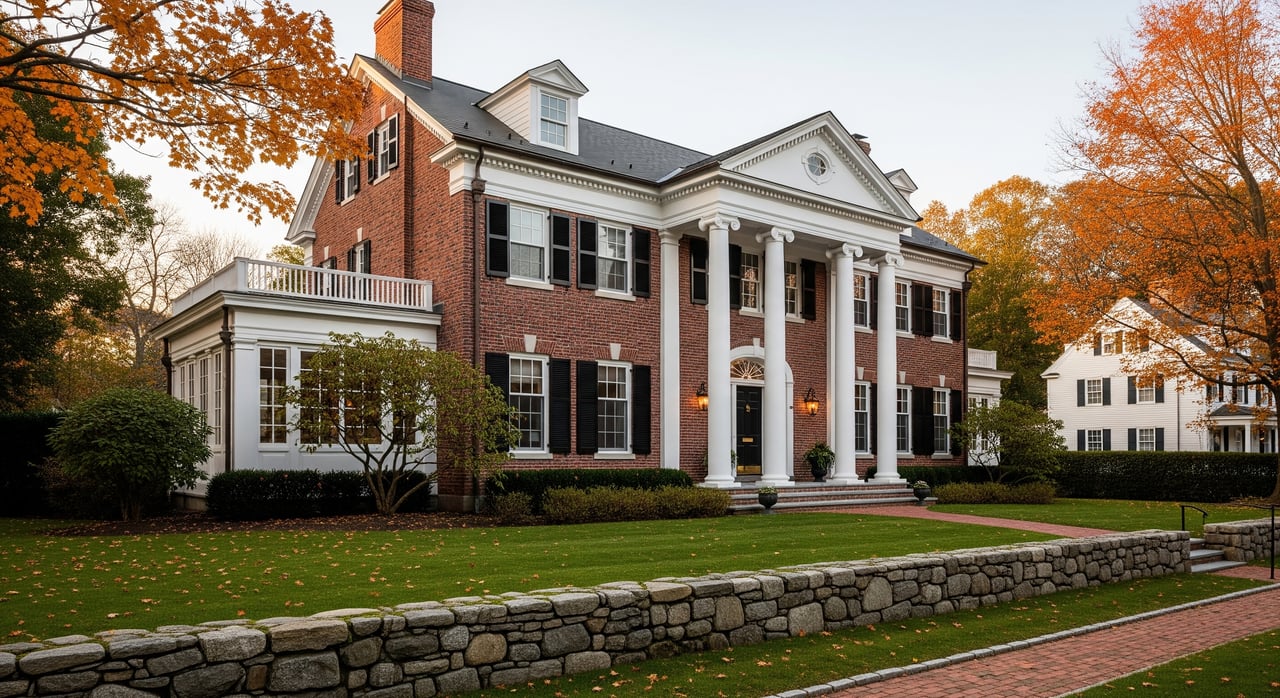
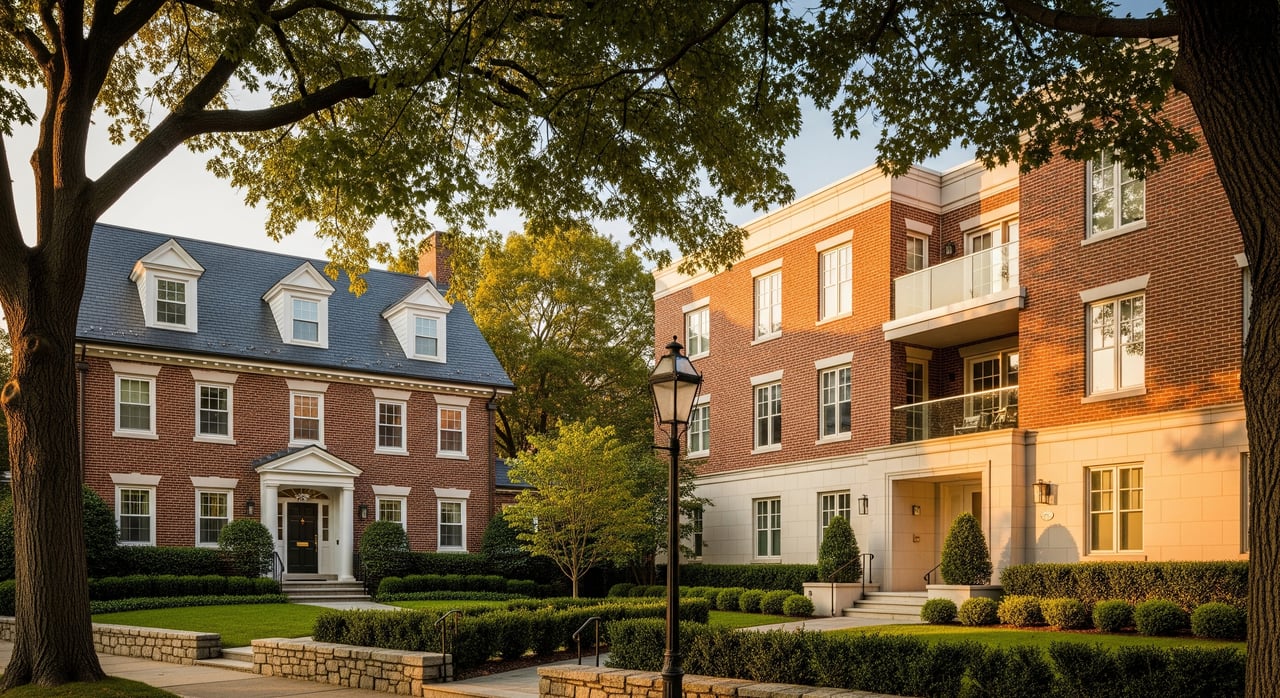
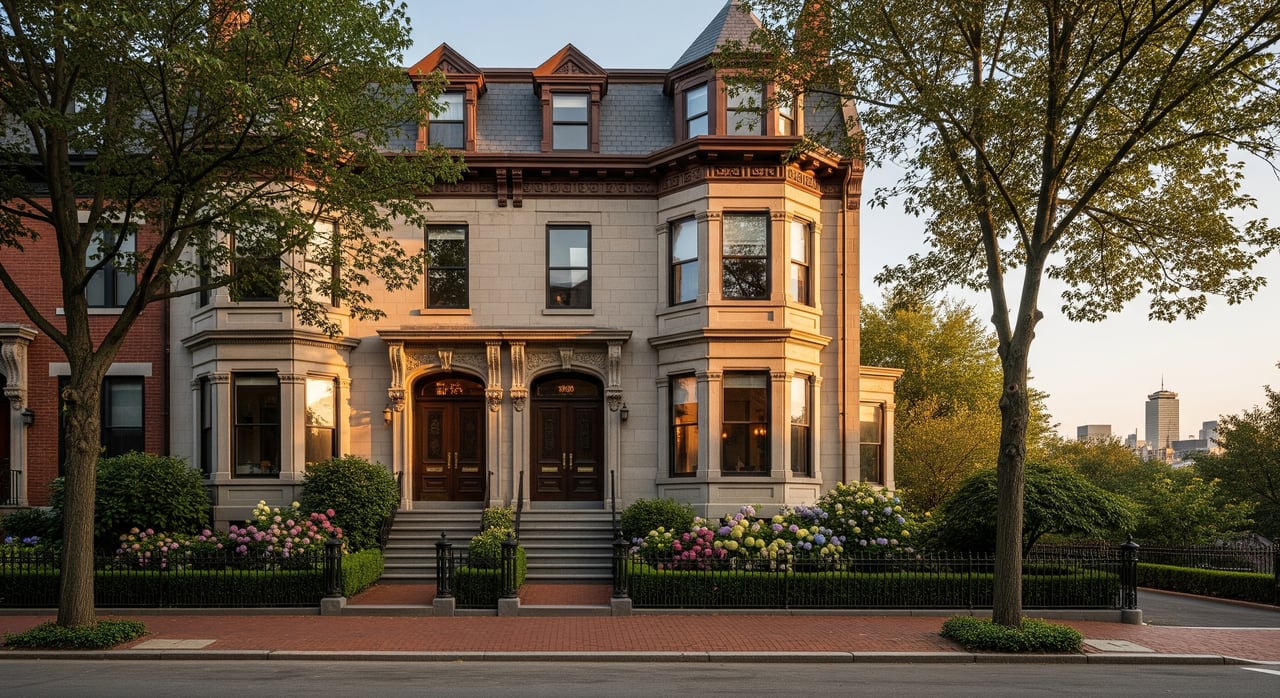
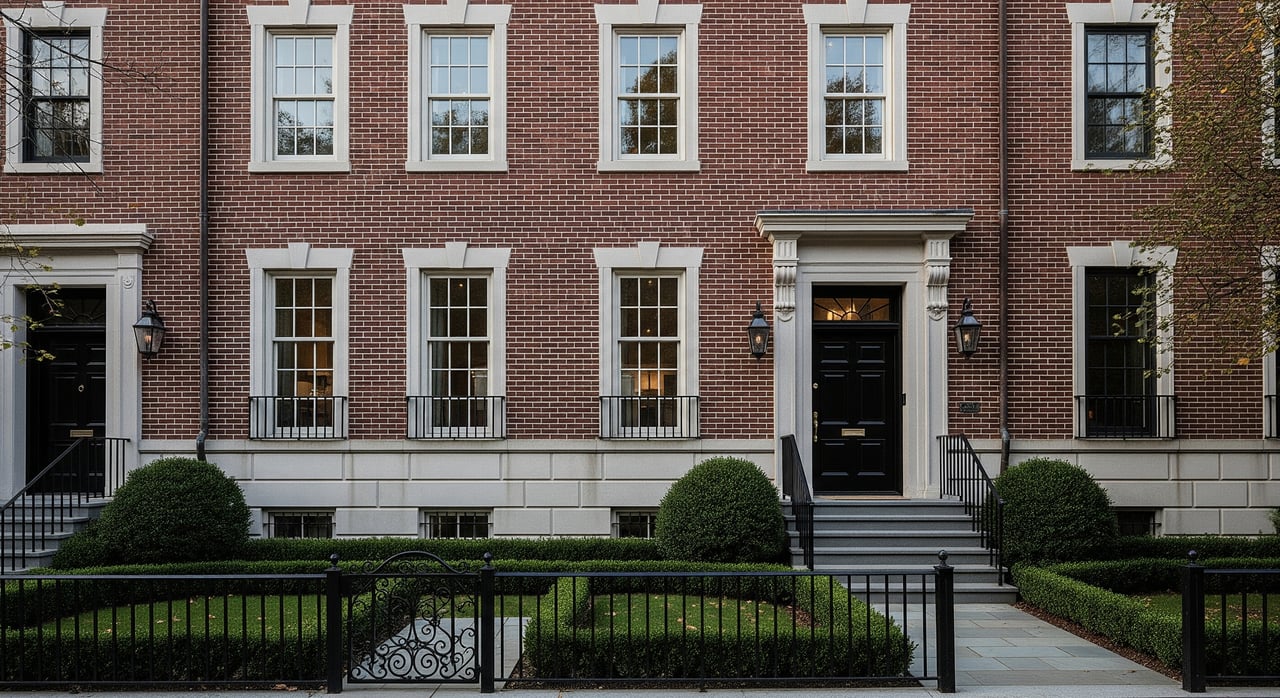
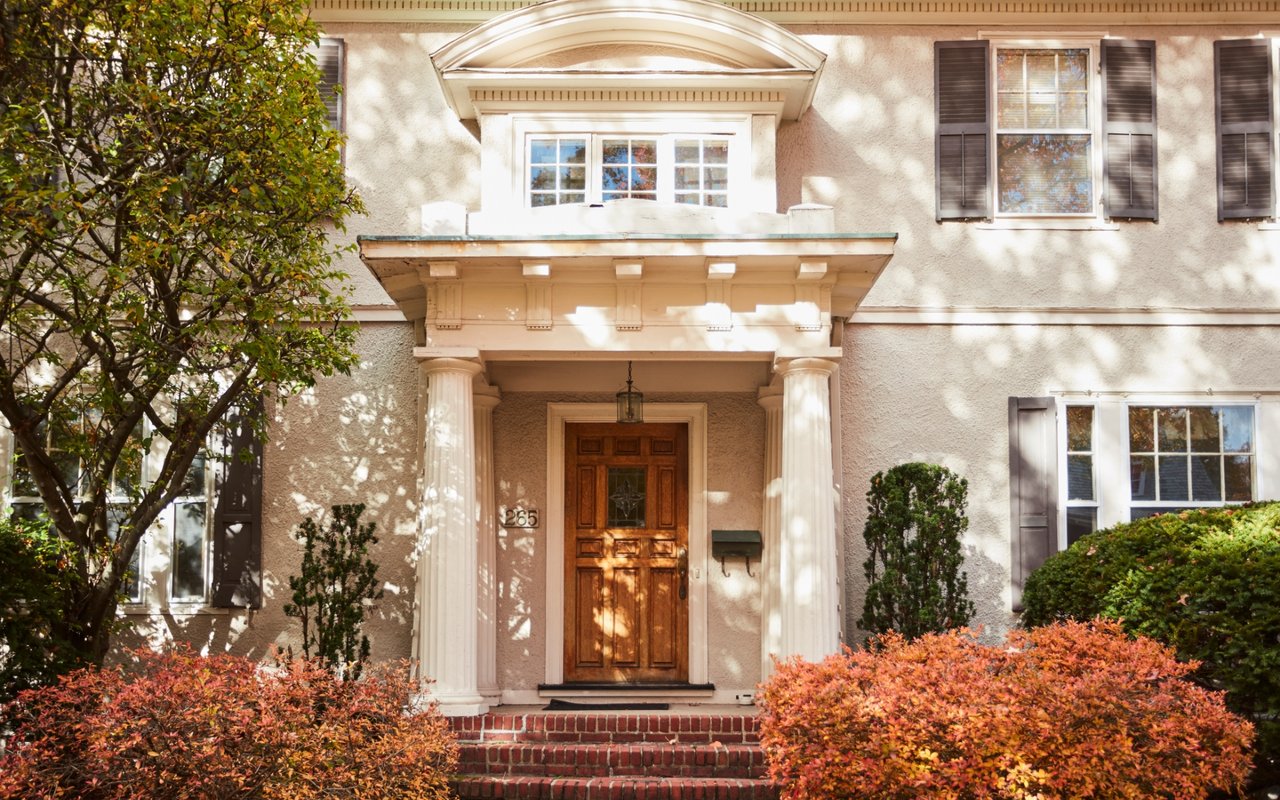
Greek Revival and Georgian (Pondside): The formal, symmetrical homes clustered near Jamaica Pond date to the mid-1800s and represent the neighborhood's highest-value residential properties. Stately columns, hipped roofs, and generous lot sizes distinguish this sub-market from the rest of JP.
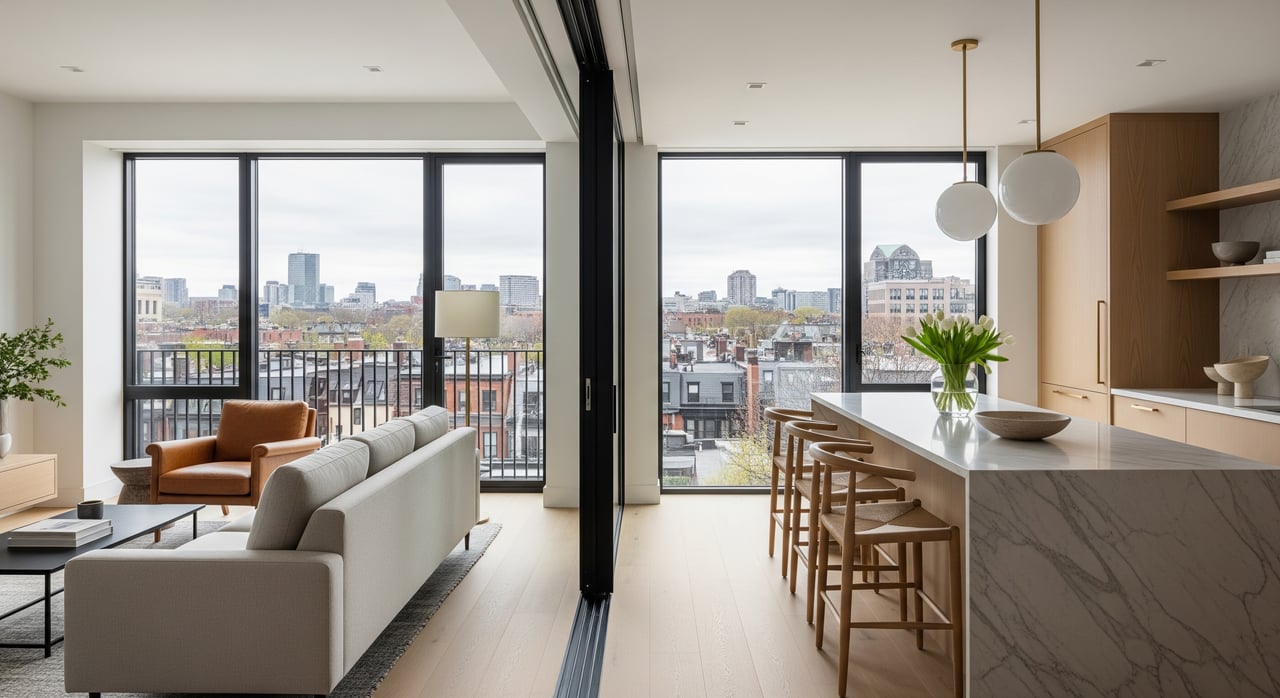
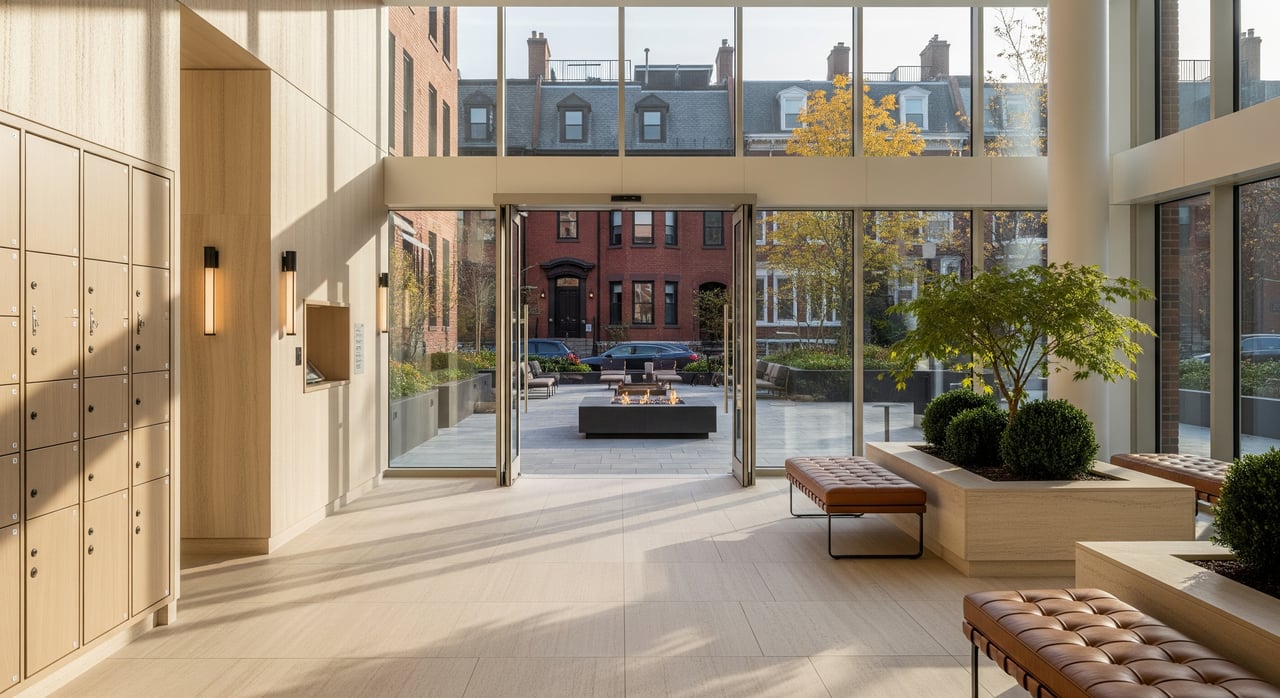
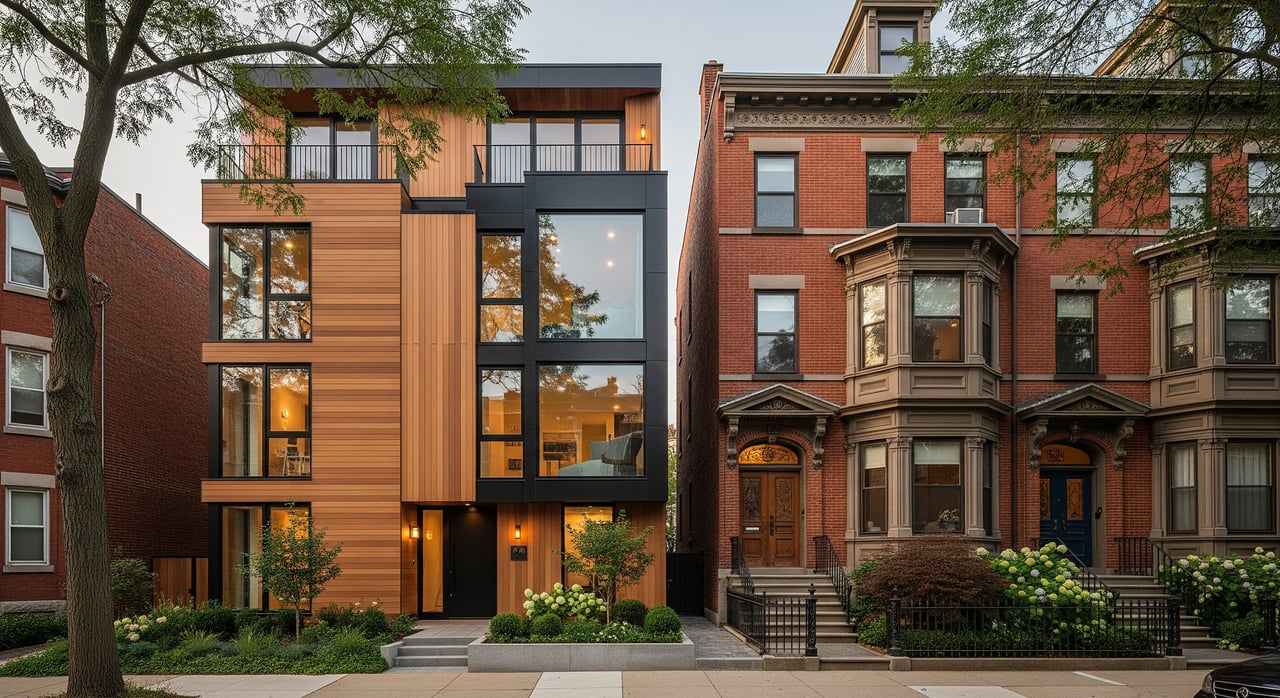
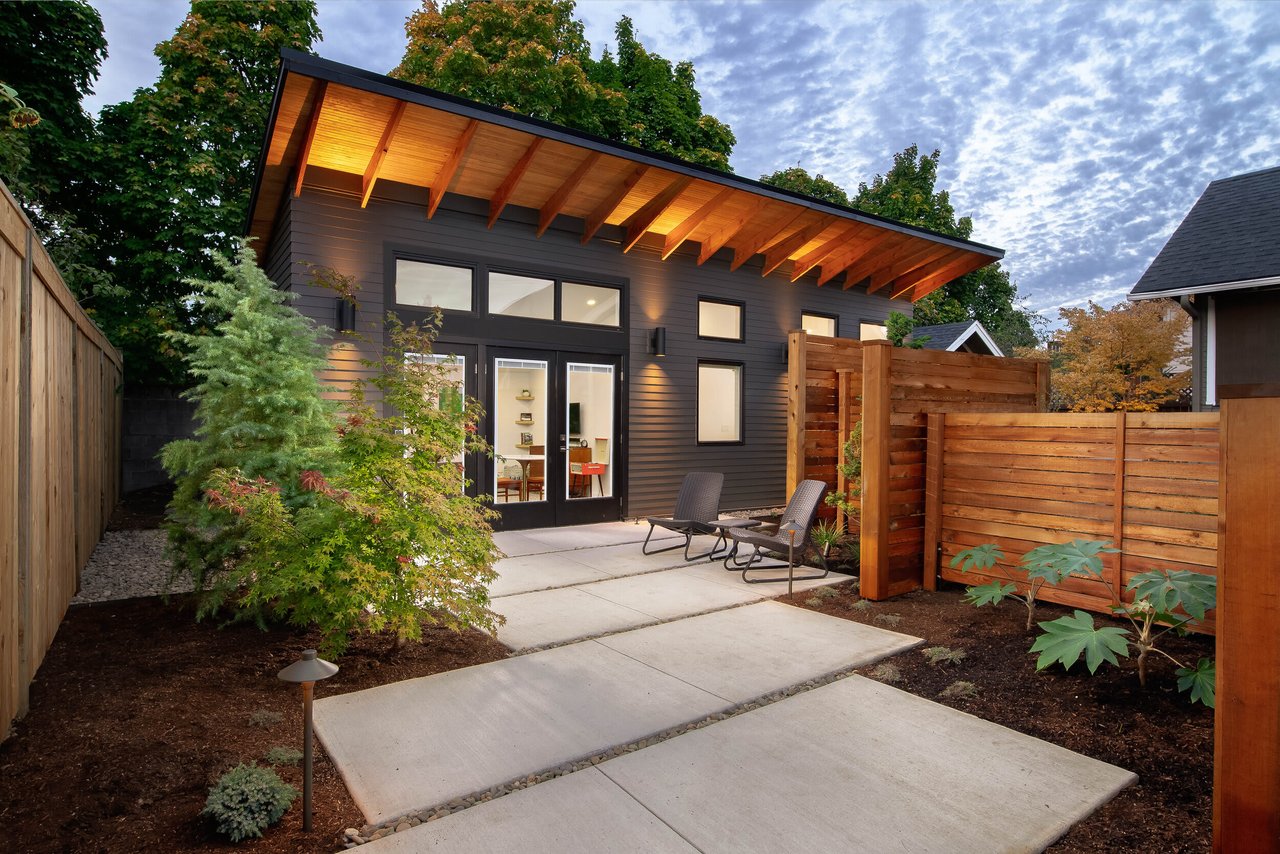
Contemporary Adaptive Reuse: Along Washington Street and near Forest Hills, new construction favors a contemporary industrial vocabulary — floor-to-ceiling glass, mixed-material facades combining wood and metal cladding, and communal rooftop amenities. The Haffenreffer Brewery conversion is the highest-profile example of this approach applied to historic industrial stock.
Jamaica Plain is one of a small number of Boston neighborhoods where a car is genuinely optional, not just theoretically possible to forgo. Walk Scores in the central portions of the neighborhood — around Centre and South Streets — consistently exceed 90, meaning daily errands, dining, and retail are accessible on foot for the vast majority of residents.
Orange Line: The neighborhood is anchored by three stations — Jackson Square, Stony Brook, and Green Street. Door-to-desk commutes to Downtown Crossing or State Street average 18 to 22 minutes, making JP competitive with Brookline and the South End for proximity to Boston's major employment centers.
The 39 Bus: This high-frequency route connects JP directly to the Longwood Medical Area and Copley Square. Dedicated bus lanes on portions of Centre Street, implemented as part of the city's Centre/South Transportation Action Plan, have materially improved reliability during peak hours. For Longwood-area employees, this is often the most efficient connection in the city.
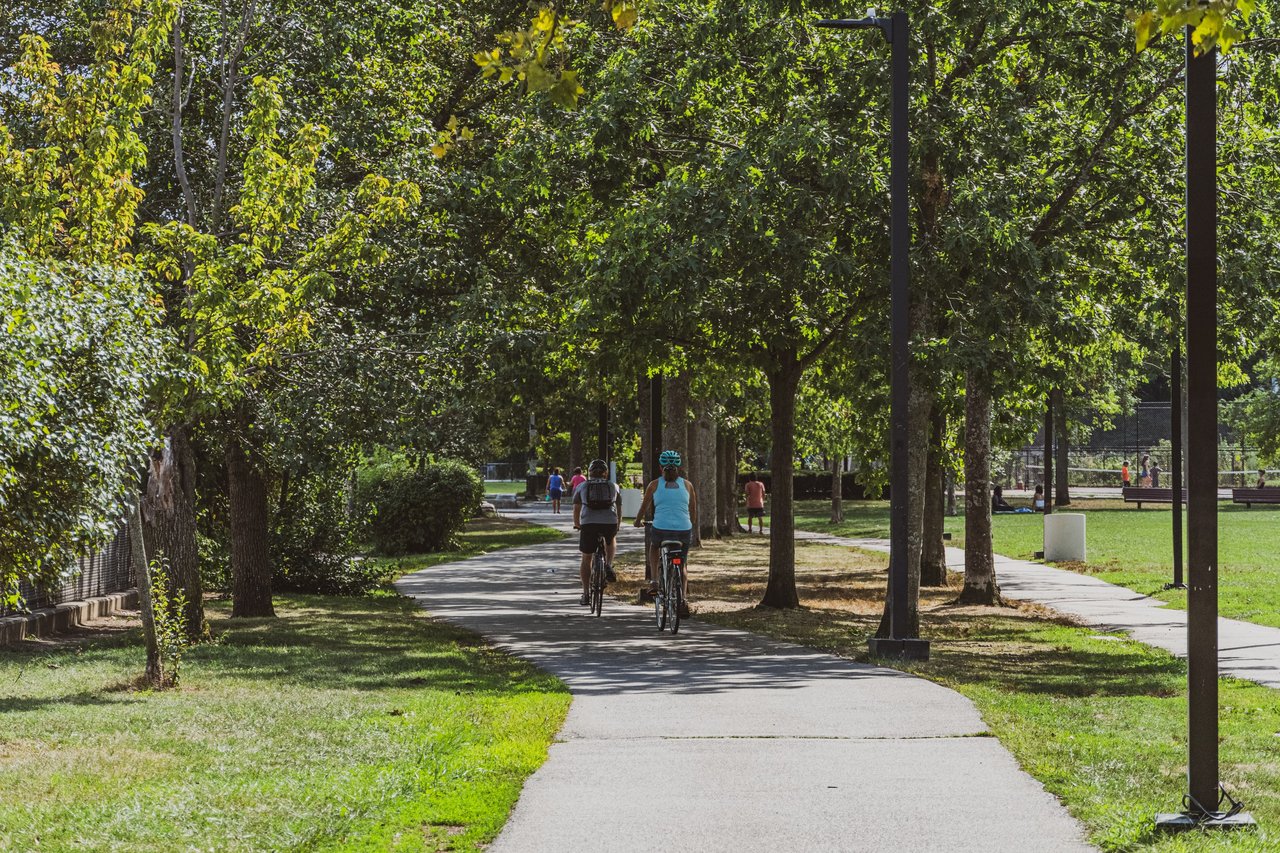
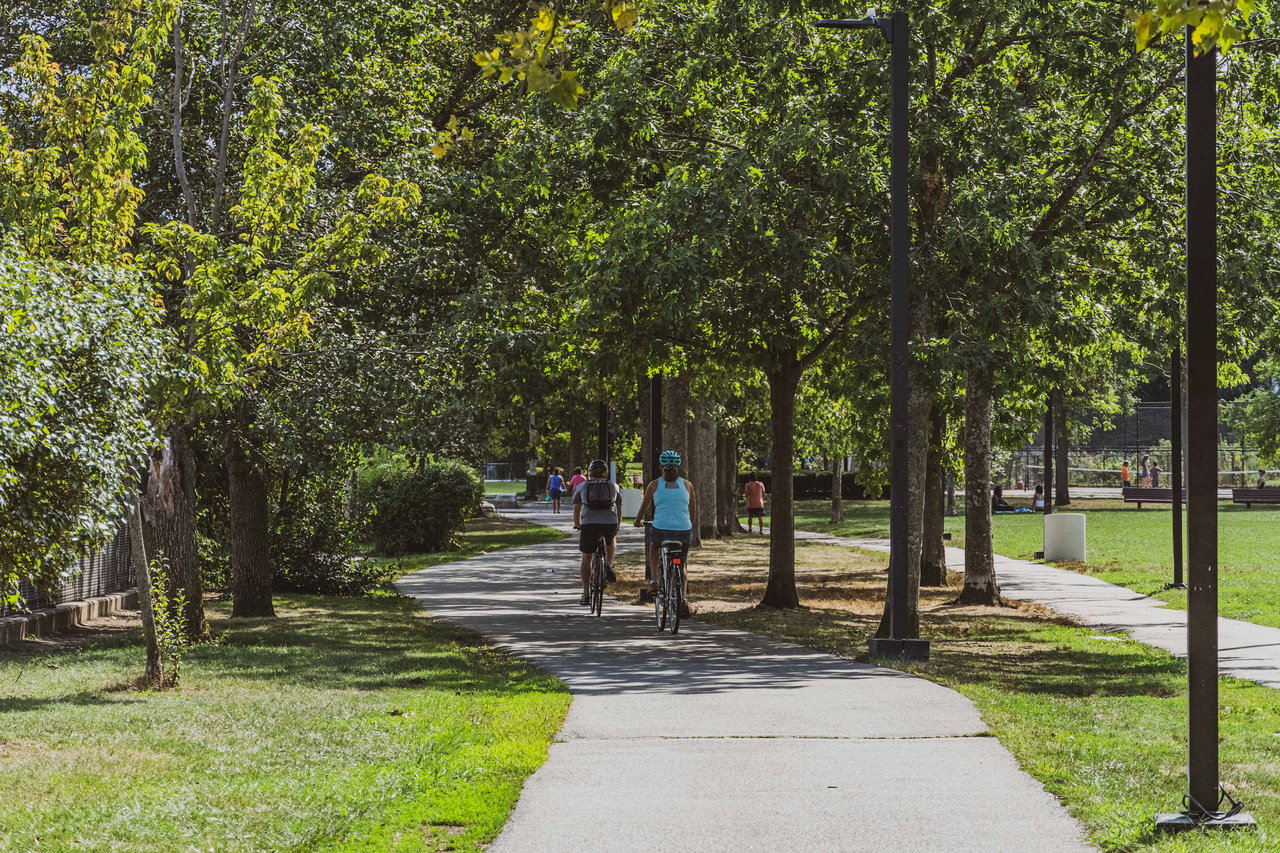
Bike Infrastructure: The Southwest Corridor Park provides a four-mile separated bike path running from Forest Hills directly into Back Bay and the South End, entirely free of car traffic. JP also has one of the denser concentrations of Bluebikes stations in the city.
The Emerald Necklace: Many JP residents fold commuting and recreation together — walking or jogging along the Olmsted-designed park system from Jamaica Pond through the Arnold Arboretum and into the Southwest Corridor. This is not a minor lifestyle amenity. It is a daily reality that residents cite consistently as a primary reason for staying.
The school picture in JP requires some context. Boston Public Schools operates on a choice-based assignment system rather than neighborhood zoning, which means your address does not automatically determine your child's school. What JP residency does provide is proximity to the city's top-performing institutions, a community infrastructure of supplemental programs, and a parent culture that engages actively with the schools.
Exam Schools: JP functions as one of the city's primary feeder communities for its three exam schools. Boston Latin School, consistently ranked as the top public high school in Massachusetts, is the most prominent destination for JP students who qualify. The O'Bryant School of Math and Science draws a strong contingent from the neighborhood as well.
Local Public Schools: The Manning Elementary is valued for its small size and community feel. The Curley K–8 has built a strong reputation around arts programming and parent engagement. The Hernandez K–8 operates as a dual-language Spanish/English school that reflects the neighborhood's cultural roots and attracts families specifically for its bilingual curriculum.
Private Options: The British International School of Boston, located within the neighborhood, offers an International Baccalaureate curriculum and draws an internationally mobile professional demographic — one of the factors that contributes to JP's above-average residential stability.
The Practical Reality: Many JP families approach the BPS lottery strategically, targeting the neighborhood primarily for its community amenities, park access, and school-adjacent programming while navigating the city-wide placement system. Working with a real estate agent who understands how school assignment intersects with specific JP streets and proximity to private options can meaningfully shape your search parameters.
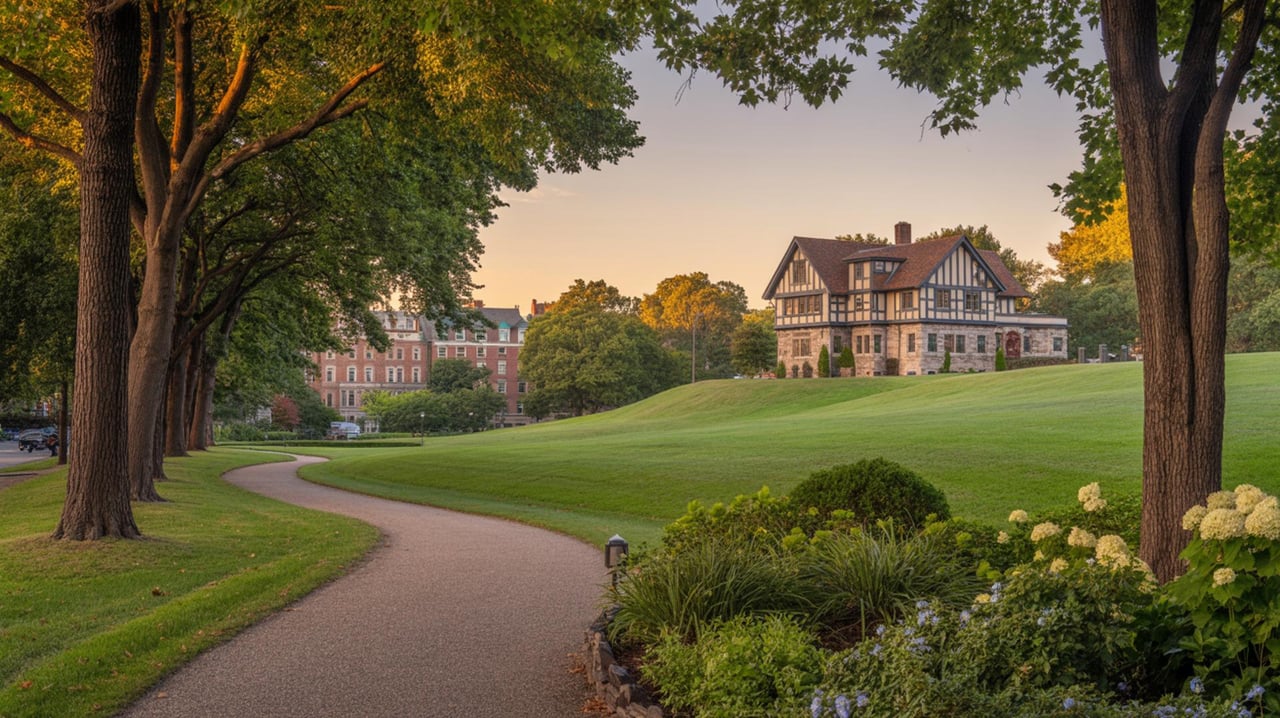
No other Boston neighborhood can claim what JP has on the parks front. Frederick Law Olmsted's Emerald Necklace runs directly through it, and the result is a concentration of publicly accessible green space that has no equivalent in the city at this price point.
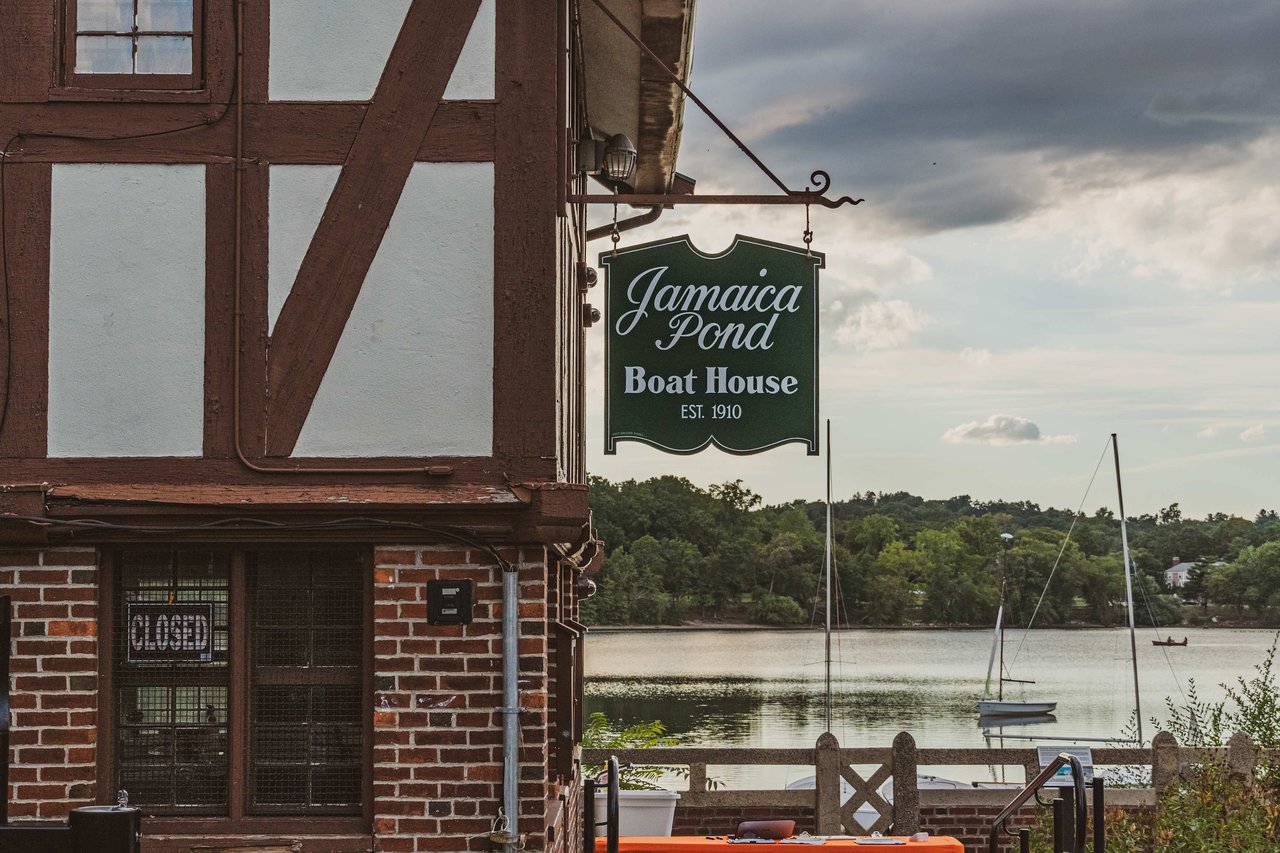
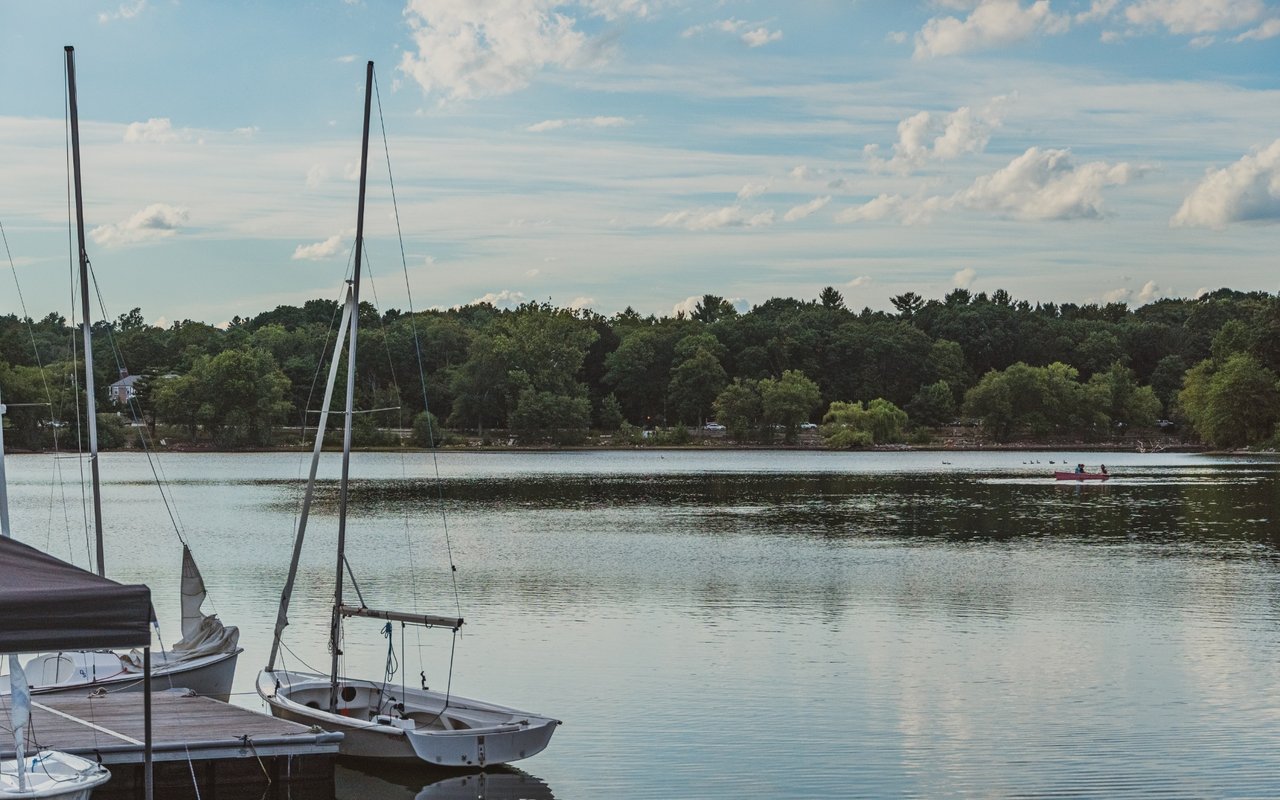
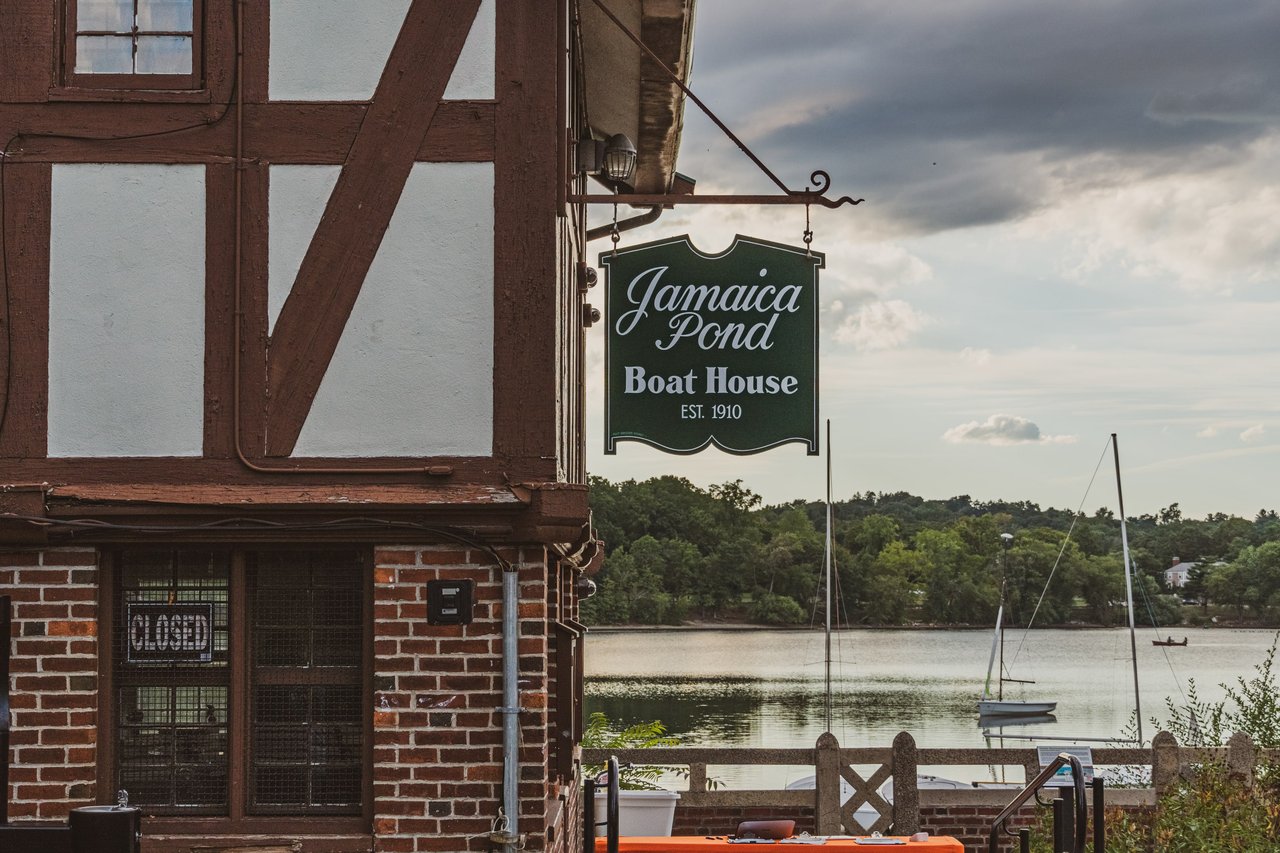
Jamaica Pond anchors the neighborhood's identity. The 1.5-mile loop is the setting for morning runs, evening walks, and community events across every season. Sailing and rowing are available through Courageous Sailing. The pond is not a park amenity — it functions as a communal backyard for the surrounding streets, and properties within two blocks of it carry a 15% to 20% price premium that has held consistently across market cycles.
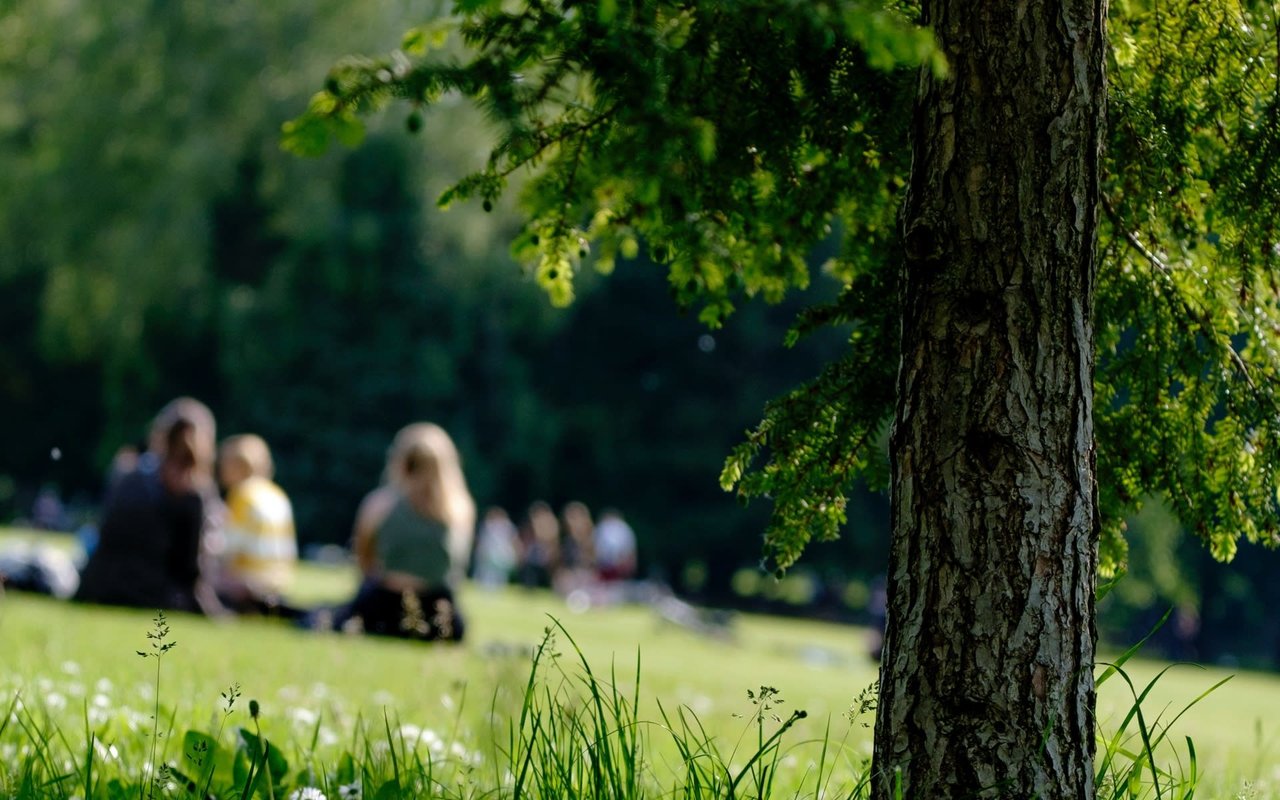
The Arnold Arboretum — 281 Harvard-managed acres — offers year-round programming from Lilac Sunday in May through winter snowshoeing. For families, it operates as an outdoor classroom. For runners and cyclists, it is a destination. The fact that it sits within walking distance of residential streets is a compounding asset that simply cannot be replicated.
Southwest Corridor Park runs four-plus miles from Forest Hills into Back Bay, offering playgrounds, basketball courts, and separated bike lanes. Franklin Park, at the eastern edge of the neighborhood, adds a public golf course, the Franklin Park Zoo, and extensive wooded trail systems.
JP's food and drink scene is a direct expression of its residents: independent, community-oriented, and genuinely good. The neighborhood has never developed the kind of restaurant row that attracts destination diners from across the city — and that is by design as much as circumstance.
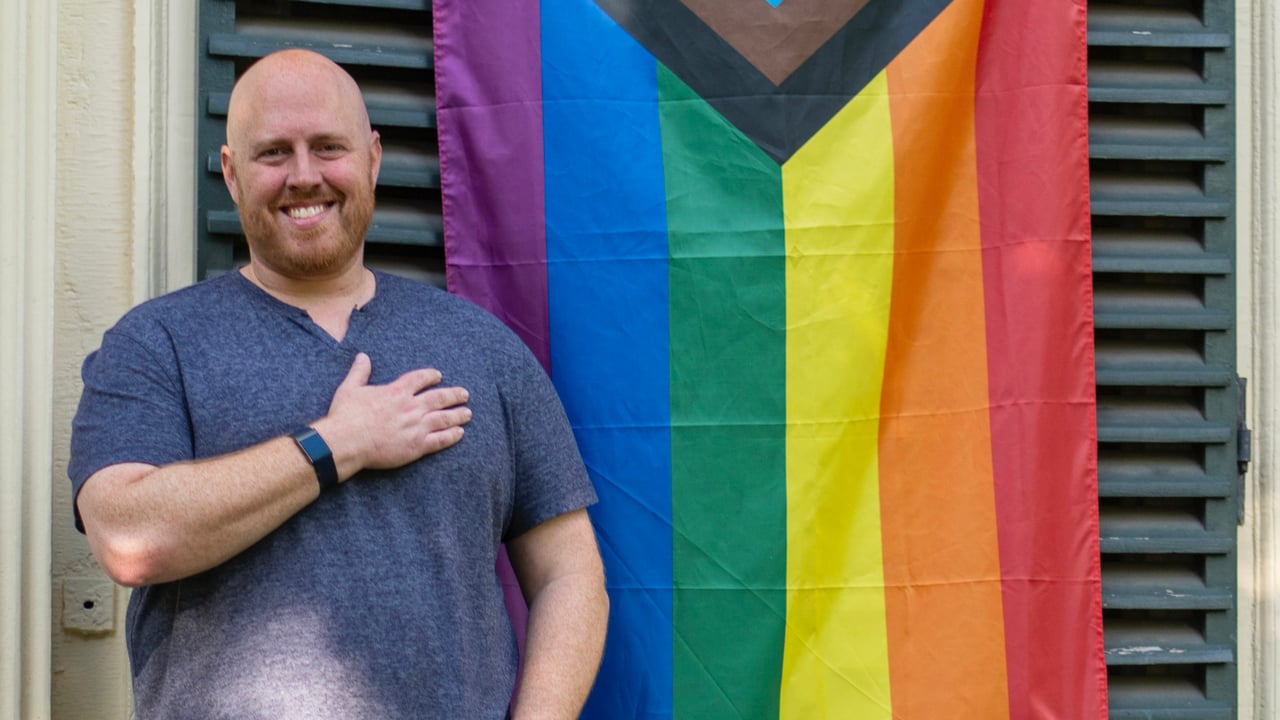
The social infrastructure here is built around what urbanists call "third places" — spots that exist between home and work. Brassica Kitchen + Cafe in Forest Hills remains the clearest expression of JP's culinary identity: seasonal, unpretentious, and technically serious. The Midway Cafe continues to anchor the neighborhood's live music and queer-friendly event culture in a way that no newer venue has displaced. The intersection of Centre and South Streets offers a concentration of Dominican, Ethiopian, and Vietnamese restaurants that reflects the neighborhood's actual demographic history rather than a curated version of it.
A 2026-specific shift worth noting: with a high proportion of hybrid and remote workers, mid-afternoon daycap culture has taken root — the transition from afternoon coffee to low-ABV botanical cocktails is now a genuine social pattern in JP, and several Centre Street establishments have calibrated their menus accordingly.
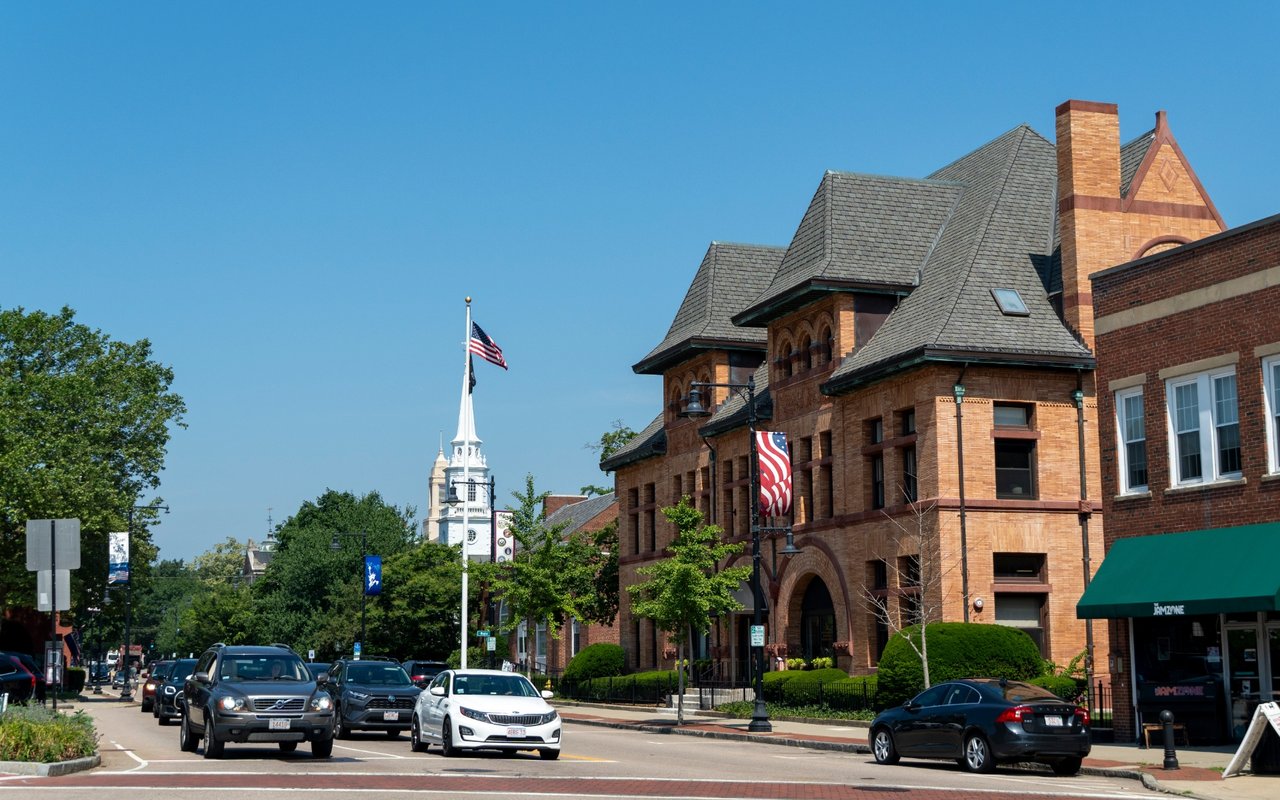
JP's retail landscape is walkable, independent, and intentional. Centre Street is the primary corridor, and what it offers — record shops, independent bookstores, vintage clothing, artisan goods, specialty hardware — reflects the spending habits of people who chose this neighborhood specifically because it operates this way.
City Feed and Supply functions as the neighborhood's lifestyle anchor: part deli, part high-end grocer, part gathering point. The JP Food Co-op coexists alongside a Whole Foods and a Stop & Shop, which means residents have genuine optionality from budget-conscious to premium-organic without leaving the neighborhood. Boomerangs, the thrift operation that supports AIDS Action Committee, has become a genuine destination rather than just a charity shop.
For residents coming from neighborhoods anchored by luxury retail or large commercial centers, JP requires a recalibration. The trade-off is real: you will not find a department store or a national fashion anchor within walking distance. What you will find is an unusually efficient daily errand radius, a commercial district that reinforces rather than undermines neighborhood character, and a retail ecosystem that has remained stable through multiple economic cycles because its operators are embedded members of the community.
Jamaica Plain rewards buyers and sellers who work with someone who actually knows it — not just the MLS data, but the blocks, the buildings, the association histories, and the micro-market dynamics that determine whether a transaction is a good one.
The Muncey Group brings that depth of local knowledge to every client relationship. Whether you are navigating your first purchase in JP, evaluating a multi-family investment, or positioning a property for sale in a market that rewards precise pricing, the team has the experience and the track record to guide you through it. Reach out directly to start the conversation — no obligation, no pressure, just straightforward advice grounded in real expertise.
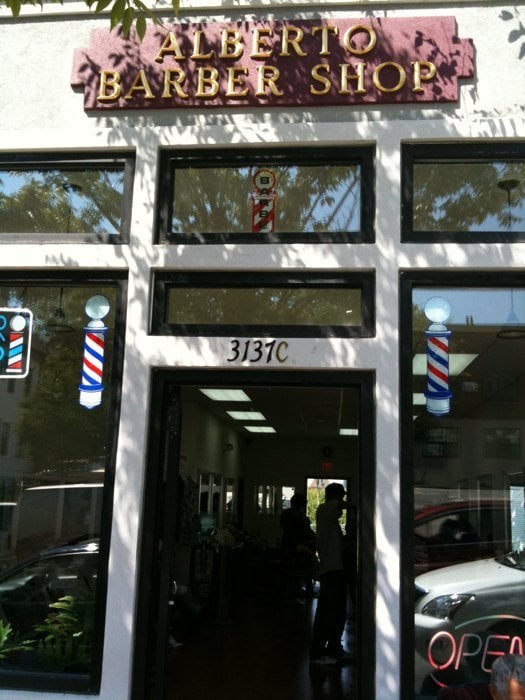
There's plenty to do around Jamaica Plain, including shopping, dining, nightlife, parks, and more. Data provided by Walk Score and Yelp.
Explore popular things to do in the area, including Fresh For U Hot Dogs & Sausages Stand, Green Basket Market, and City Feed & Supply.
| Name | Category | Distance | Reviews |
Ratings by
Yelp
|
|---|---|---|---|---|
| Dining · $$ | 0.1 miles | 0 reviews | 0/5 stars | |
| Dining | 0.5 miles | 0 reviews | 0/5 stars | |
| Dining · $$ | 0.77 miles | 207 reviews | 3.6/5 stars | |
| Shopping | 0.23 miles | 2 reviews | 3/5 stars | |
| Active | 0.23 miles | 0 reviews | 0/5 stars | |
| Active | 0.85 miles | 0 reviews | 0/5 stars | |
| Beauty | 0.69 miles | 0 reviews | 0/5 stars | |
| Beauty | 0.73 miles | 2 reviews | 3/5 stars | |
| Beauty | 0.86 miles | 2 reviews | 5/5 stars | |
| Beauty | 0.89 miles | 2 reviews | 3/5 stars | |
| Beauty | 1.09 miles | 15 reviews | 5/5 stars | |
|
|
||||
|
|
||||
|
|
||||
|
|
||||
|
|
||||
|
|
Jamaica Plain has 17,928 households, with an average household size of 2.23. Data provided by the U.S. Census Bureau. Here’s what the people living in Jamaica Plain do for work — and how long it takes them to get there. Data provided by the U.S. Census Bureau. 41,109 people call Jamaica Plain home. The population density is 11,612 and the largest age group is Data provided by the U.S. Census Bureau.
Total Population
Population Density Population Density This is the number of people per square mile in a neighborhood.
Median Age
Men vs Women
Population by Age Group
0-9 Years
10-17 Years
18-24 Years
25-64 Years
65-74 Years
75+ Years
Education Level
Total Households
Average Household Size
Average individual Income
Households with Children
With Children:
Without Children:
Blue vs White Collar Workers
Blue Collar:
White Collar:
Office
20 Birch St
Roslindale, MA 02131
Compass Office
1330 Boylston St 2nd Fl
Chestnut Hill, MA 02467
Office
20 Birch St
Roslindale, MA 02131
Compass Office
1330 Boylston St 2nd Fl
Chestnut Hill, MA 02467