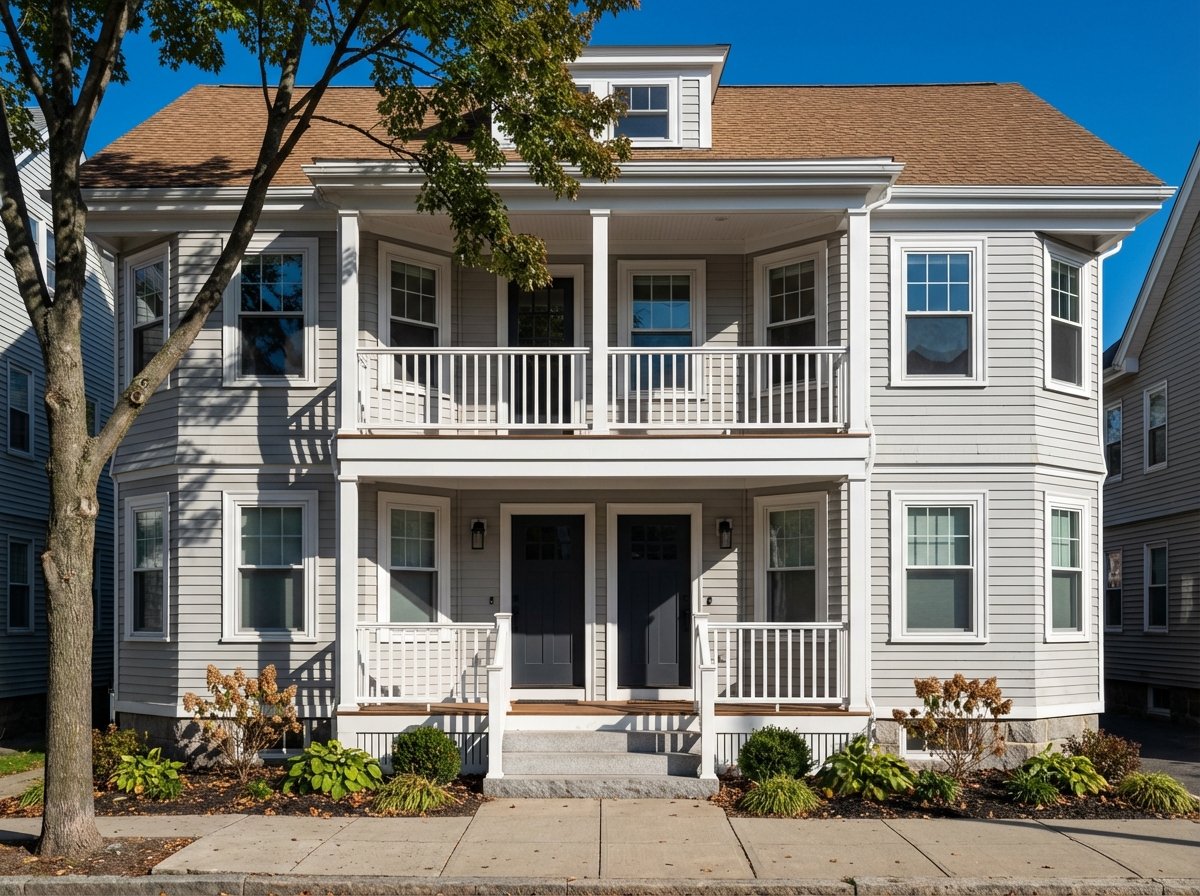
If you could live in Jamaica Plain and have your neighbors help pay the mortgage, would you do it? That is the promise of house hacking with a JP two- or three-family. You get a home you love, plus rental income that can lower your monthly cost and speed up your path to equity. In this guide, you will learn how financing works, what JP multi-family buildings look like, the Boston rules you need to know, and a simple plan to run the numbers with confidence. Let’s dive in.
Why house hack in JP
Jamaica Plain has steady renter demand and a deep stock of classic two- and three-families. Recent neighborhood snapshots show median sale prices in the mid to high six figures, around ~$740k to ~$850k depending on the period and data provider. Typical JP apartment rents trend around $2,800 to $3,500, with neighborhood averages near ~$3,100 per month. These are helpful anchors as you start modeling your plan.
House hacking can help you:
- Lower your net housing cost by applying rental income to your mortgage and taxes.
- Build equity while you learn landlording at a manageable scale.
- Access multiple financing paths designed for owner-occupants of 2 to 4 units.
What JP multi-families look like
Common layouts
- Three-deckers: Early 20th century wood-frame triplexes with one apartment per floor. These are common across JP and often have stacked front porches and shared entries.
- Duplexes: Two units, either stacked or side by side. Many have separate entrances and can feel like a single-family in use.
Features that impact returns
- Utilities and metering: Older buildings sometimes share heat, hot water, or a single electric meter. Separate utilities simplify management and make underwriting cleaner. Confirm how each unit is metered during due diligence.
- Legal occupancy and safety: Verify legal egress for each unit, smoke and CO detectors, and general code compliance. Boston Inspectional Services enforces habitability standards you will want to confirm before closing. Review records with Boston Inspectional Services.
- Short-term rentals: Boston regulates STRs and limits them to owner-occupied categories with registration and fees. Do not assume you can list an extra unit on Airbnb. Review the rules with Boston’s Short-Term Rentals program.
Financing your house hack
FHA for 2–4 units
FHA allows you to buy a 2–4 unit property as your primary residence. When you plan to use projected rents to qualify, FHA typically counts 75 percent of the lesser of the appraiser’s market rent or actual lease amount. For 3–4 unit properties, FHA also applies a self-sufficiency test that compares adjusted rental income to the property’s PITI. Review details in HUD’s Single Family Housing Policy Handbook Handbook 4000.1.
Conventional options via Fannie Mae
Fannie Mae updated its automated underwriting and LTV parameters for owner-occupied 2–4 unit purchases, which opened lower down payment paths than older conventional norms. Lenders still apply their own credit score, reserve, and documentation overlays. For context on these changes, review Fannie Mae’s recent 10-K discussion of DU and LTV updates on fintel.io.
When counting rental income on the subject property, lenders rely on appraiser-documented market rents when you do not have a rental history, or on your tax returns if you do. See rental income documentation rules in the Fannie Mae Selling Guide.
VA loans for eligible borrowers
If you are eligible, VA financing can be used for 1–4 unit properties that you occupy as your primary residence. Occupancy timing and rental income treatment can vary by lender, and some lenders may require reserves or experience. Review VA occupancy and underwriting guidance with a VA-approved lender and see this VA loan reference for context.
How lenders count rent
Most lenders will use appraiser-supported market rent for each unit when you do not have leases or a Schedule E history, and they will typically count 75 percent of that figure to allow for vacancy and expenses. If you already have rental history, lenders shift to your tax returns to document net rental cash flow. FHA’s 3–4 unit self-sufficiency test and conventional reserve requirements can materially shape your approval, so confirm them early with your lender. See HUD program rules in Handbook 4000.1 and rental documentation in the Fannie Mae Selling Guide.
Local rules to know in Boston
Short-term rentals
Boston allows certain owner-occupied STR types in two- and three-family homes, but registration and annual fees apply. Owner-adjacent listings are allowed within strict limits. Read Boston’s policy and register through Short-Term Rentals, City of Boston.
Security deposits and landlord basics
Massachusetts has strict rules for security deposits, including separate interest-bearing accounts, specific receipts, and timelines for returns. Penalties for errors can be severe. Review the state’s guidance on landlord-tenant issues.
Lead paint law
Many JP homes predate 1978. Massachusetts requires disclosures on sale or lease and has obligations to control hazards if a child under six will reside in the home. Factor potential deleading costs into your plan. Learn more about the Massachusetts lead law.
ISD records, permits, and inspections
Check for any outstanding violations, confirm the legal unit count, and review permit history. Missing certificates or open violations can delay closings and add costs. Search and verify with Boston Inspectional Services.
Property taxes
Boston’s residential tax price increased for FY2026, which can affect holding costs on multi-family properties. Review recent tax bills, assessment history, and eligibility for any owner-occupant exemptions. For context on the change, see this WGBH report on Boston’s 2026 tax rates.
Run the numbers in JP
Start simple and refine as you get property-specific data.
Estimate rental income. If two rental units each command about $3,100 per month, gross rent is ~$6,200. For lender qualifying without leases, many programs will count 75 percent of appraiser-supported rent, or about $2,325 per unit.
Add realistic expenses. Include property taxes, insurance, water and sewer if not separately metered, heat or hot water if shared, maintenance, and reserves for repairs. If utilities are split, your monthly outlay drops and your net cash flow improves.
Stress test. Model a vacancy month, a boiler repair, or higher taxes. If the plan still works, you are on stronger ground.
Compare layouts. A three-decker with separate systems usually underwrites and operates more smoothly than a building with shared heat and one electric meter.
Due diligence checklist
Use this short list as you evaluate a JP multi-family:
- Request a rent roll, current leases, and proof of deposits. If available, review the seller’s Schedule E, since lenders will ask for it. See documentation standards in the Fannie Mae Selling Guide.
- Order a multi-family inspection and pull ISD records for violations or missing permits. Start with Boston Inspectional Services.
- Confirm utilities and metering for each unit. Price out separate electric, gas, and hot water if the building has shared systems.
- Verify the legal unit count and zoning. Illegal units can create safety, insurance, and underwriting problems.
- For pre-1978 buildings, gather any lead documents and consider a risk assessment. Review the state lead law.
- Confirm insurance quotes for older, multi-unit properties.
- Get pre-approved under your target program. Ask your lender how they will treat rental income and whether reserves or self-sufficiency tests apply. See FHA program guidance in Handbook 4000.1.
Questions to ask your team
Lenders
- Which loan products do you offer for owner-occupied 2–3 unit purchases, and what are the minimum down payment, credit score, and reserve requirements for each? How will you count projected rents if there are no current leases? See rental rules in the Fannie Mae Selling Guide and FHA guidance in Handbook 4000.1.
CPA or tax pro
- How will rental income, depreciation, and repairs affect my taxes for an owner-occupied duplex or triplex? Are there state or city programs, such as MassHousing or local initiatives, that could support rehab or deleading?
Real estate attorney
- Are all units legally permitted and free of open ISD or building code violations, and what are my obligations for security deposits and required notices? Review state guidance on landlord-tenant issues.
Common pitfalls and how to avoid them
- Assuming STR income: Boston’s STR rules are strict. Confirm eligibility and register before you model short-term revenue. See Short-Term Rentals, City of Boston.
- Ignoring shared utilities: One boiler or a single electric meter can raise your operating costs and complicate tenant billing. Price the cost to separate systems when you make an offer.
- Skipping lead planning: Many JP homes predate 1978. Learn the lead law and budget for compliance if needed.
- Underestimating taxes: Factor in assessment changes and FY2026 tax price shifts. Review trends, starting with this WGBH overview.
- Overlooking reserves: Lenders often require extra reserves for 3–4 units. Ask your lender about required months of PITI on your program.
Partner with a local guide
You do not have to figure this out alone. A neighborhood-focused team can help you spot the right three-decker, model realistic rents and expenses, and navigate Boston’s rules with fewer surprises. If you are ready to explore house hacking in Jamaica Plain, connect with the Muncey Group to map your path and schedule showings that match your numbers.
FAQs
What is house hacking with a JP multi-family?
- It is buying a two- or three-family in Jamaica Plain, living in one unit, and using rent from the other unit or units to reduce your monthly housing cost.
How does FHA count rental income for 2–4 units?
- When you lack rental history, FHA typically counts 75 percent of appraiser-supported market rent or the lease amount, and it applies a self-sufficiency test for 3–4 units per Handbook 4000.1.
Can I use Airbnb for an extra unit in JP?
- Boston allows only registered, owner-occupied STR categories and charges annual fees, so you must confirm eligibility and register through the city’s Short-Term Rentals program.
What should I inspect in a three-decker before buying?
- Order a multi-family inspection focused on roofing, foundation, plumbing, electric, heating systems, and code items like egress and detectors, then verify ISD records with Inspectional Services.
What are my obligations if I take a security deposit in MA?
- You must follow strict rules for interest-bearing accounts, receipts, and return timelines, with penalties for errors; see state guidance on landlord-tenant issues.
How might Boston’s FY2026 tax change affect my plan?
- Higher residential tax prices can raise holding costs, so review the property’s assessment and recent bills and see the WGBH report for background before you finalize your budget.