Wondering if living in one unit and renting the other could make homeownership in Jamaica Plain more affordable? You’re not alone. Two-family homes can blend community living with the chance to offset your mortgage, but they also come with rules, responsibilities, and numbers to run. In this guide, you’ll learn how two-family ownership works in JP, what it costs, the regulations you need to know, and how to decide if it fits your goals. Let’s dive in.
What a two-family in JP looks like
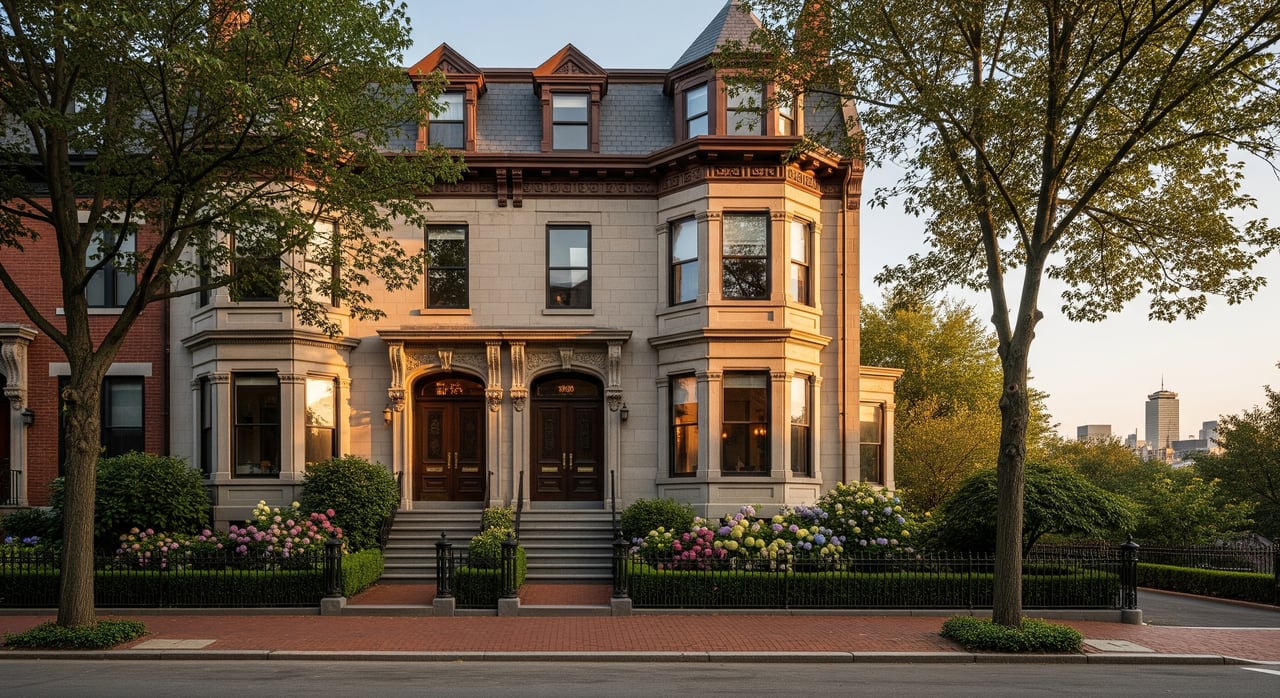
In Jamaica Plain, many two-family homes are older wood-frame buildings with one apartment per floor or a side-by-side setup. You’ll see classic multi-unit styles alongside converted single-family homes. Because a large share of JP’s housing was built before 1978, it’s common to encounter older electrical, plumbing, and heating systems.
With older housing comes potential for legacy hazards like lead paint. If you plan to rent to a household with a child under six or you’re renovating painted surfaces, you must follow Massachusetts lead law. Review the state’s rules and lead-safe work standards in the Massachusetts Department of Public Health’s guidance on the Massachusetts lead law.
Who buys two-families and why
- Owner-occupants use rent from the second unit to help cover the mortgage and operating costs.
- Small investors seek income and long-term appreciation in a high-demand urban neighborhood.
- Families choose multi-generational living, with relatives close by in the second unit.
If you plan to live on-site, you may unlock more favorable financing and have an easier time managing day-to-day maintenance and tenant needs.
The financial picture
Purchase prices and market dynamics
Jamaica Plain’s urban location, transit access, and amenities support strong demand. Two-family properties often sell at a premium compared with similar homes outside Boston. Returns in small multifamily can be tighter in the city because acquisition costs are higher and competition is strong.
Before you write an offer, ask your agent for very recent comps for two-unit properties in JP and verify condition, unit size, and location differences. A conservative pro forma that includes vacancy, maintenance capital, taxes, insurance, and any management fees helps you avoid surprises.
Rental income and demand
JP’s renter pool includes students, professionals, and families who value walkability, parks, and easy commutes. Market rent varies by bedroom count, condition, and whether utilities are included. Confirm realistic rents for your exact unit layout and location, and consider seasonality when timing a lease.
Financing options for two-unit homes
Owner-occupants can often use conventional or government-insured loans designed for 1–4 unit properties. FHA financing, for example, allows low down payments on owner-occupied two-unit buildings, subject to property standards and underwriting. Review FHA’s program overview for the 203(b) basic home mortgage on the HUD FHA 203(b) page.
Lenders may count a portion of documented rental income from the second unit toward your debt-to-income ratio. Each lender treats it a bit differently, so ask for a clear written estimate. If you’re exploring assistance programs, confirm eligibility, unit limits, and owner-occupancy requirements early in your process.
Taxes and insurance
Your budget should include property taxes, an owner/landlord policy with sufficient liability and dwelling coverage, utilities you plan to cover, routine maintenance, and reserves for capital projects. Review how the City of Boston assesses and bills property taxes on the City of Boston property tax page.
Rental income is taxable. Many operating expenses are deductible, and you may depreciate the rental portion of the property. Because owner-occupied properties have special rules, talk to a tax professional about your specific situation.
Rules and compliance in Boston
Rental registration and inspections
Boston requires landlords to register rental properties and comply with periodic inspections. Registration verifies basic safety and habitability standards. Learn what’s required and how to file on the city’s rental registry page.
Zoning and building permits
Zoning determines what you can do with a property, including unit count and additions. Always verify the parcel’s zoning and use before planning changes. The Boston Planning & Development Agency provides an online zoning map viewer.
Most significant work, including structural, electrical, plumbing, or HVAC upgrades, requires permits and inspections through Inspectional Services. See the city’s guide on how to get a building permit.
Lead paint and older materials
If a home was built before 1978, you must comply with Massachusetts lead laws when renting or disturbing paint during renovations. Review owner responsibilities, inspections, and deleading requirements on the Massachusetts lead law page. Older buildings can also include materials like asbestos that require proper handling when disturbed.
Short-term rentals
Boston regulates short-term rentals and requires registration. Not all units qualify, and rules differ for owner-occupants versus non-occupants. If you’re considering a short-term strategy, start with the city’s short-term rentals overview.
Landlord-tenant basics in Massachusetts
Massachusetts has detailed rules around leases, security deposits, and the eviction process. Security deposits must be handled in specific ways and may require paying interest to tenants. The state provides a clear overview on security deposit rules. Evictions must follow formal court procedures, and landlords must maintain habitable conditions, including heat, hot water, and required life safety devices.
Daily realities of being an owner-occupant
Pros and tradeoffs
Living on-site can make maintenance and communication with tenants easier. Rental income helps offset your mortgage and operating costs. You may also see more favorable loan terms compared with non-owner financing.
You will, however, take on landlord duties. That includes screening tenants, handling repairs, staying compliant with city and state rules, and balancing privacy with shared spaces like yards or porches.
Screening, leases, and management
Use a written lease that follows Massachusetts law and clearly explains utilities, maintenance, and access for repairs. Screen tenants consistently and fairly. If you prefer not to handle day-to-day management, consider a property manager and include their fee in your cash flow plan.
Inspections, utilities, and upgrades
For older JP properties, a multi-family-specific inspection is essential. Pay special attention to roofs, foundations, exterior siding, electrical panels, heating systems, plumbing, insulation, and egress. Ask sellers for past permits, maintenance records, rental history, and documentation for lead paint compliance.
Separate utility metering simplifies billing and reduces disputes. If utilities are shared, spell out how costs are allocated in the lease. Any reconfiguration of units, bedroom counts, or egress requires careful planning and the right permits.
Neighborhood factors to weigh
Transit and commute
JP offers strong transit access, with MBTA stations like Green Street and Stony Brook plus several bus routes. Proximity to transit expands your renter pool and can reduce vacancy risk. For a broader view, explore the MBTA system maps.
Parks, amenities, and local feel
Jamaica Plain’s draws include Jamaica Pond, the Arnold Arboretum, and lively local storefronts along Centre Street. These amenities support year-round appeal for many renters and owner-occupants who value walkability and green space.
Parking and access
Off-street parking is limited at many JP homes. If your target renter owns a car, parking availability can influence rent and lease-up time. Transit-friendly locations may help offset limited parking.
Schools and safety
Family decisions can be shaped by school options and neighborhood context. Because policies and data change, consult official sources directly. Review current policies and assignments with Boston Public Schools, and look up precinct-level trends using the Boston Police Department’s crime statistics. Consider visiting the property at different times of day and talking with neighbors for added context.
Is a JP two-family right for you? A quick checklist
- Run conservative numbers. Include vacancy, maintenance capital, taxes, insurance, management, and seasonal rent assumptions.
- Confirm compliance. Is the property registered with the city and up to date on inspections? Are there open permits or code violations?
- Verify zoning. Check current use, unit count, and any planned changes against BPDA zoning.
- Review tenant files. Look at leases, rent roll, payment history, and security deposit handling.
- Inspect deeply. Order a multi-family inspection and ask for historical utility bills and system ages.
- Plan renovations wisely. Confirm permits, lead-safe work needs, contractor licensing, and timelines.
- Choose your role. Decide if you’ll self-manage or hire a manager and budget accordingly.
Your next steps
If a two-family in Jamaica Plain fits your goals, start by getting recent comps, speaking with a lender experienced in two-unit loans, and scheduling a multi-family inspection. Then confirm zoning and rental registration status before you commit to upgrades or unit changes.
You do not have to navigate this alone. The neighborhood-savvy team at the Muncey Group can walk you through the numbers, the rules, and the day-to-day realities so you can buy with confidence and build long-term value in JP.
FAQs
What counts as a two-family in Boston?
- A residential building with two legal dwelling units, either side-by-side or stacked. Always verify the legal unit count with city records and BPDA zoning before planning changes.
How does Boston’s rental registration work for landlords?
- Most rentals must be registered with the city and may be subject to periodic inspections for safety and habitability. Start with the city’s rental registry to confirm requirements.
Can you use FHA to buy a two-unit in JP?
- Often, yes if you will live in one unit and the home meets FHA standards. Review eligibility on the HUD FHA 203(b) page and ask lenders how they’ll treat rental income in your application.
What should you focus on during inspections for older JP homes?
- Roof, foundation, exterior envelope, electrical panel, boilers or heating systems, plumbing, insulation, egress, and any lead paint risks. Renovations that disturb paint in pre-1978 homes must follow the Massachusetts lead law.
Are short-term rentals allowed in a JP two-family?
- Boston regulates short-term rentals and requires registration, with different rules for owner-occupants and non-occupants. Review the city’s short-term rentals guidance before pursuing this strategy.
How are security deposits handled in Massachusetts?
- Security deposits must be held and documented according to state law, and interest may be owed to tenants. See the state’s overview of security deposit rules for details.