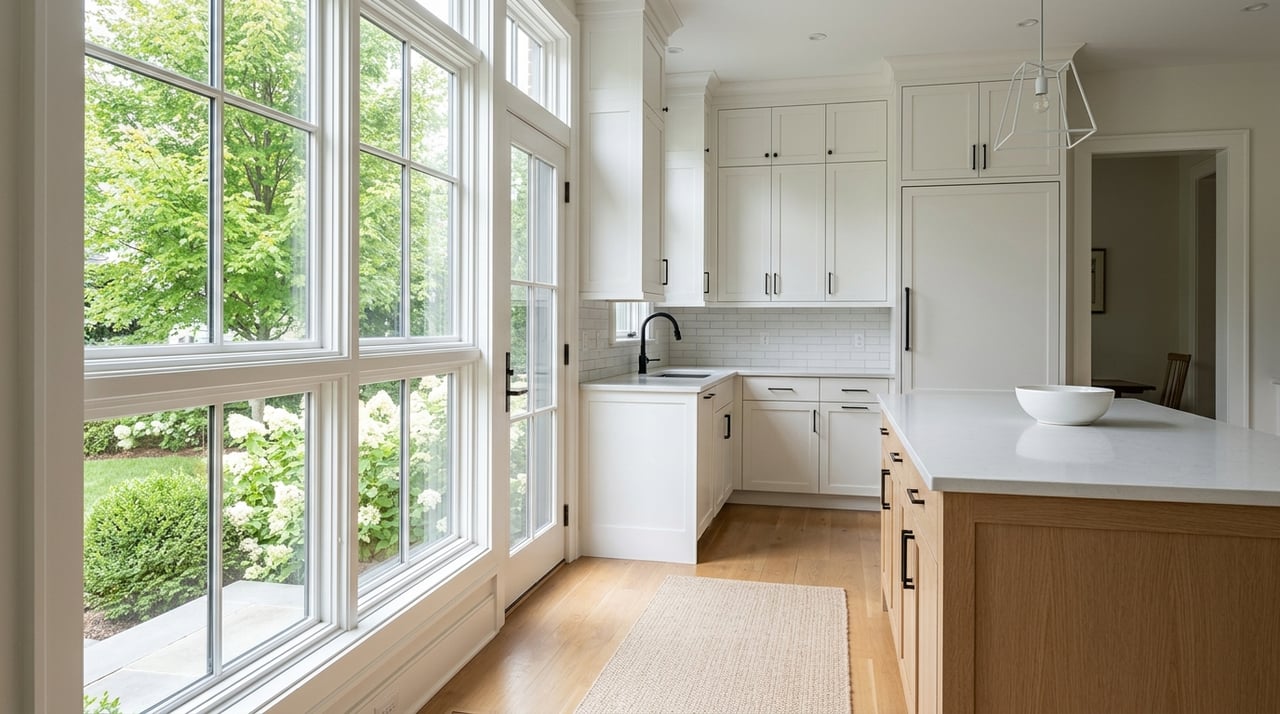
Trying to choose between a brand-new home and an older property in Dedham? You are not alone. Many buyers in this market end up weighing modern layouts and lower near-term upkeep against the charm, history, and established setting of older homes. This guide will help you understand how Dedham’s housing mix, local rules, and real-world ownership costs can shape that decision. Let’s dive in.
Why this choice matters in Dedham
Dedham is not a place where new and old homes show up in equal numbers. According to the town’s housing assessment, 34.41% of homes were built before 1939, 25.34% were built from 1940 to 1959, and just 14.67% were built in 2000 or later. In other words, you will usually have far more older homes to choose from than newer ones.
That matters because your decision is not just about style. It is also about availability, long-term costs, and how much work you want to take on after closing. In a town where 69% of homes are single-family and the owner-occupancy rate is 73.4%, many buyers are comparing homes that offer very different ownership experiences.
Dedham’s historic housing character
Dedham has deep roots, and you can feel that in its built environment. The town describes Dedham Square as a historic center shaped over centuries, and the community includes six primary neighborhoods: Dedham Village, East Dedham, Oakdale, Riverdale, Greenlodge/Sprague/Manor, and West Dedham.
The age of local housing is not just a fun fact. It influences streetscapes, home layouts, lot patterns, and renovation potential. The Fairbanks House, built between 1637 and 1641, is one of the clearest reminders that Dedham’s housing story stretches back a very long way.
What new construction offers
For many buyers, new construction feels simpler. Newer homes often appeal to people who want a more predictable ownership experience, fewer immediate projects, and features that match how people live today.
One major draw is layout. The National Association of Home Builders reports that 85% of buyers want an open connection between the kitchen and other main living areas. That preference helps explain why newer homes tend to feel more aligned with current tastes.
Common benefits of newer homes
New construction often stands out for a few practical reasons:
- Open-concept living spaces
- More opportunities to choose finishes and features
- A stronger energy-efficiency baseline
- Less near-term maintenance pressure
- Warranty coverage on a brand-new home
If you want a home that feels turnkey from day one, newer construction may check more of your boxes. That can be especially appealing if you are balancing a move, work, and family logistics all at once.
What older homes offer
Older homes in Dedham often bring something newer properties cannot easily recreate. You may find more architectural detail, more established streetscapes, and a stronger sense of connection to the town’s history.
That does not mean every older home looks the same or performs the same. Some have been thoughtfully updated over time, while others may need meaningful work. The upside is character and setting. The tradeoff is that condition can vary more from one property to the next.
Why buyers are drawn to older homes
Older homes can appeal to buyers who value:
- Original details and architectural personality
- Established neighborhood patterns
- Mature landscaping and streetscapes
- A home that feels distinct rather than standardized
In Dedham, that appeal is part of the town’s identity. If you love homes with history, this market gives you more opportunities to find them.
Historic district rules to know
If you are considering an older home, it is important to understand local historic oversight. Dedham’s Historic Districts Commission oversees three local historic districts: Franklin Square-Court Street, Connecticut Corner, and Federal Hill.
In those local historic districts, visible exterior changes from public ways must be reviewed. That can affect what you are able to change after you buy, especially if you are planning to alter windows, siding, additions, or other exterior features.
The Dedham Village National Register district is honorary, but local district rules still carry real weight where they apply. If a home’s character is part of why you love it, make sure you also understand the review process that may come with it.
Maintenance differences to expect
One of the biggest differences between new construction and older homes is the level of uncertainty. Dedham’s housing assessment notes that older homes can be more expensive to occupy because of heating and maintenance costs.
That does not mean an older home is a bad investment. It simply means you should expect more variation. A well-maintained older home may perform very differently from one with deferred upkeep.
Where older-home costs can show up
When you buy an older home, pay close attention to:
- Roof age and condition
- Window performance
- Heating and cooling systems
- Plumbing and electrical updates
- Drainage issues
- Signs of deferred maintenance
Newer homes can have issues too, but older properties typically require a more detailed look at how systems have held up over time. A strong inspection process matters in either case.
Energy efficiency and monthly costs
New construction in Massachusetts starts from a different baseline than older housing. The state’s building-energy code framework, including the specialized code for new construction, is designed to align with current greenhouse-gas limits.
In practical terms, newer homes usually offer stronger energy performance from the start than homes built decades ago. That can mean lower utility use, better insulation, and fewer comfort issues in the near term.
How older homes can improve
Older homes are not stuck as-is. Massachusetts points homeowners toward several strategies that can improve efficiency and comfort, including:
- Home energy assessments
- Insulation upgrades
- Air sealing
- Heat pump programs
- Equipment replacement when needed
Massachusetts also notes that many older homes have less insulation than homes built today. So if you fall in love with an older home in Dedham, it is smart to factor in potential efficiency upgrades as part of your budget.
Lead paint is a key issue in older homes
For pre-1978 homes, lead paint should be part of your evaluation. Massachusetts lead law protects a child’s right to a lead-safe home, and the state says owners must remove or cover lead paint hazards in homes built before 1978 when a child under 6 lives there.
The state also notes that the only way to know if lead is present is to have it tested by a licensed inspector. If you are buying an older home, it is wise to review any available lead documentation and ask whether prior remediation has been completed.
This is not a reason to avoid older housing altogether. It is a reason to gather the right information before you commit.
Permit history matters in both cases
Whether a home is old or new, permit history can tell you a lot. Dedham’s Building Department evaluates plans, issues permits, and performs inspections for work that must comply with building, electrical, plumbing, and zoning requirements.
That makes permit review especially important if the home has additions, finished basements, major remodels, updated wiring, or other substantial work. A beautiful renovation may still leave questions if the paper trail is unclear.
Ask for records when a home has:
- Additions
- Basement finishing
- Major kitchen or bath remodels
- Electrical updates
- Plumbing changes
- Exterior structural work
For new construction, permit history helps confirm the path from plan approval to final inspections. For older homes, it helps you understand what has changed over time.
Which option fits your goals?
There is no one-size-fits-all answer in Dedham. The right choice depends on what matters most to you after the keys are in your hand.
If you want lower near-term maintenance anxiety, current layout preferences, and a stronger efficiency starting point, new construction may be the better fit. If you care more about charm, architectural detail, and a setting that feels rooted in Dedham’s long history, an older home may offer more of what you want.
A practical way to compare homes
If you are deciding between a newer home and an older one, try to compare them on ownership experience, not just list price. That means looking beyond finishes and asking how the home may feel to own over the next few years.
A simple framework can help:
- Compare likely maintenance needs
- Review permit history
- Ask about major system ages
- Check for lead documentation in pre-1978 homes
- Consider future energy upgrades
- Think about how much renovation flexibility you want
In Dedham, this approach can help you make a clearer decision in a market where older homes are far more common than newer ones.
If you want help weighing tradeoffs between charm, condition, efficiency, and resale potential, the team at Muncey Group is here to guide you with clear advice and a steady process from search to closing.
FAQs
What is more common in Dedham, new construction or older homes?
- Older homes are much more common. Dedham’s housing assessment shows that a large share of homes were built before 1960, while only 14.67% were built in 2000 or later.
What should you check before buying an older home in Dedham?
- You should closely review condition, maintenance history, major system ages, permit records, and lead documentation if the home was built before 1978.
Do historic district rules affect homes in Dedham?
- Yes. In Dedham’s local historic districts, visible exterior changes from public ways must be reviewed by the Historic Districts Commission.
Are newer homes in Dedham usually more energy efficient?
- In many cases, yes. New construction in Massachusetts is built under current building-energy code requirements, so it typically starts with a stronger efficiency baseline than older homes.
Can an older Dedham home become more energy efficient?
- Yes. Common improvement paths include insulation, air sealing, equipment replacement, heat pumps, and a home energy assessment.
Why does permit history matter when buying a home in Dedham?
- Permit history can help you confirm whether additions, remodels, basement finishing, and major system work were reviewed and inspected through Dedham’s Building Department.